Will Sex Robots Replace Real Relationships in the Future?
In an era where artificial intelligence (AI), robotics, and digital intimacy are advancing relentlessly, one question ignites both fascination and fear across society: Will sex robots replace real relationships?
From sci-fi imaginings of humanoid companions to early prototypes that mimic human touch, sex robots are no longer relegated to fiction.
Yet the deeper question isn’t just can they physically interact with humans, but whether they can fulfill emotional, social, and psychological roles once reserved for human partners.
In this extensive exploration, we’ll unpack the technology, the psychology, the cultural shift, ethical debates, and what the future might hold for human intimacy in a world shared with robots.
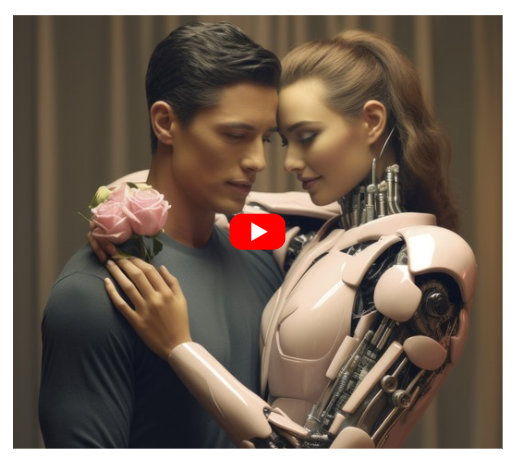

The Rise of Sex Robots: From Dolls to Digital Intimacy
Sex robots began as rudimentary silicone dolls designed to resemble human bodies. Over time, they evolved from passive objects to systems integrated with AI that can respond to speech, movement, and even basic emotional cues.
Today’s sex robots can simulate conversation, remember user preferences, and adapt behavior, offering not just physical interaction but a form of responsiveness that feels personal and interactive.
This leap from static object to interactive partner has fueled discussions around whether robots could someday serve as intimate companions not just for sex, but for affection and companionship too.
Some futurists predict that by mid-century, advanced sex robots could become commonplace in homes, offering highly customizable companionship to humans.
Indeed, in his 2007 book Love and Sex with Robots, David Levy envisioned that by 2050, sexual relationships between humans and robots would be routine.
However, the possibility of widespread integration doesn’t automatically mean replacement of human relationships — it means disruption, redefinition, and debate.
What Do People Want from Relationships? Human Needs vs Robot Capabilities
To assess whether sex robots could replace real relationships, we need to define what relationships really give us.
At their core, human relationships deliver:
- Emotional intimacy
- Shared life experiences
- Reciprocity and mutual growth
- Social identity and belonging
- Support during hardship
- Complex communication
While robots can simulate emotional cues and learn patterns through AI, they do not possess genuine consciousness, empathy, or subjective experience — at least with current technology. Their “responses” are programmed or learned, not felt.
Philosophically, this raises the question: is a relationship meaningful only if both partners are sentient beings with consciousness? Many ethicists argue that the mutuality of feeling the essence of love cannot be replicated by machines that lack subjective experience.
Psychological Impact: What Sex Robots Could Do to Human Connection
1. Intimacy without Vulnerability
In human relationships, intimacy involves vulnerability — sharing fears, dreams, disappointments, and joy. This vulnerability is simultaneously what makes relationships rewarding and what makes them challenging.
Sex robots, by contrast, offer intimacy without risk: no judgment, no abandonment, no emotional demand. For some individuals, especially those with social anxiety or past trauma, this might feel appealing.
But this risk-free intimacy could change how people value vulnerability — potentially making human relationships feel more effortful than they are worth.
2. Emotional Satisfaction vs Emotional Fulfillment
Robots can mimic responsiveness, but they do not experience feelings. Human relationships thrive on genuine emotional exchange not just response signals.
While a robot might comfort someone based on recognizable patterns, the lack of attunement to authentic emotion may limit satisfaction over time.
Additionally, relying on artificial companionship may dull the social motivation to develop real human connections, which traditionally fuel our emotional development across the lifespan.
3. Reinforcement of Unrealistic Expectations
There’s concern that if robots are customized to match every physical and behavioral preference, humans may begin to demand unrealistic perfection in real human partners.
A robot won’t argue, get tired, forget anniversaries, or feel overwhelmed but humans do. This disparity could lead to frustration or dissatisfaction in real relationships.
Sex Robots as an Alternative — Not Replacement
Most experts and sociologists believe sex robots are more likely to become alternatives or supplements rather than straight replacements for real relationships.
For some individuals, sex robots might provide:
- A sexual outlet when human connection isn’t available
- Companionship for people with severe social anxiety
- Support for individuals with certain disabilities
- An enrichment to existing relationships
This perspective suggests robots may fill specific needs in niche contexts — not erase the value of human partnerships altogether.
Interestingly, futurists have speculated that robots could complement human relationships, not undermine them, by addressing unmet needs within a couple or helping individuals explore aspects of their identity in a safe environment.
Ethical and Social Concerns
As technology advances, ethical questions become unavoidable. Some of the key debates include:
1. Objectification and Consent
Sex robots can be engineered to resemble people even specific individuals. This raises moral questions about consent and objectification.
Is it ethical to create a lifelike robot modeled after a real person without their consent? Many ethicists argue that mimicking a specific individual for sexual purposes is problematic and inherently objectifying.
2. Harm to Moral Character
Critics warn that engaging sexually with robots programmed to serve without refusal might affect a person’s expectations in real relationships especially around consent, negotiation, and mutual respect. This could normalize behaviors that don’t reflect healthy interpersonal dynamics.
3. Gender and Power Dynamics
Currently, most sex robot designs are tailored to stereotypical gender presentations, often shaped by male fantasies. This asymmetry raises concerns about reinforcing harmful gender norms and objectifying bodies in ways that distort real social values.
Cultural and Social Shifts: A Question of Norms
Societies have historically adapted to changes in how people meet, interact, and form relationships from arranged marriages to online dating.
The shift toward digital connection changed norms around intimacy in just a few decades. In this context, sex robots could be part of a broader evolution in human relationships.
Consider these cultural observations:
- Technology has always reshaped intimacy: From telephone dating to dating apps, tech influences how people form connections.
- Sex toys and virtual intimacy are widely accepted: Tools that enhance or simulate sexual experiences have become mainstream, reducing stigma around alternative expressions of sexuality.
- Robot companionship could find a niche: It may be appealing to some while completely irrelevant to others, much like virtual reality or long-distance digital dating.
Rather than replacing human relationships globally, sex robots may integrate into subcultures where they serve a specific role without diminishing the value of human social bonds for the majority.
Will Sex Robots Replace Human Relationships? A Balanced Conclusion
The question “Will sex robots replace real relationships?” is much more nuanced than a simple yes/no answer.
Here’s a balanced assessment:
Why It’s Unlikely They Will Fully Replace Real Relationships
➡ Humans crave genuine emotional reciprocity. Machines can simulate responsiveness, but they don’t experience love, empathy, or mutual growth.
➡ Human relationships shape identity and social belonging in ways robots cannot replicate.
➡ Even with advanced AI, the lived experience of genuine human connection with all its complexity remains fundamentally different from programmed interaction.
Why Robots Might Change the Landscape of Intimacy
➡ They could offer alternatives for companionship where traditional relationships are inaccessible.
➡ They might serve as partners for specific sexual or emotional exploration.
➡ They may push society to rethink definitions of connection, consent, and emotional engagement.
In essence, sex robots could complement, reshape, and expand experiences of intimacy but not fully replace the rich, unpredictable, reciprocal nature of human relationships.
Looking Ahead: The Future of Intimacy in a Robotic World
As we move forward into a future where AI and robots become more embedded in daily life, the conversation about sex robots extends beyond sex itself. It touches on:
- Ethics and consent
- Human identity
- Mental health
- Social values
- Technological responsibility
If society is to integrate these technologies in a way that enhances humanity rather than diminishes it we need ongoing discourse, thoughtful design, and ethical frameworks that prioritize human dignity.
The future of intimacy could be hybrid: a world where human relationships remain central, while robots supplement experiences of connection and support. The key question isn’t whether robots can replace relationships — it’s whether we want them to, and what that choice says about who we are as human beings.
References
https://en.wikipedia.org/wiki/Sex_robot