
What Does Sermorelin Do? Benefits, Side Effects, and How It Works
Sermorelin stimulates the pituitary gland to naturally produce and release human growth hormone (HGH). This hormone plays an important role in muscle maintenance, fat metabolism, tissue repair, bone health, and cellular regeneration.
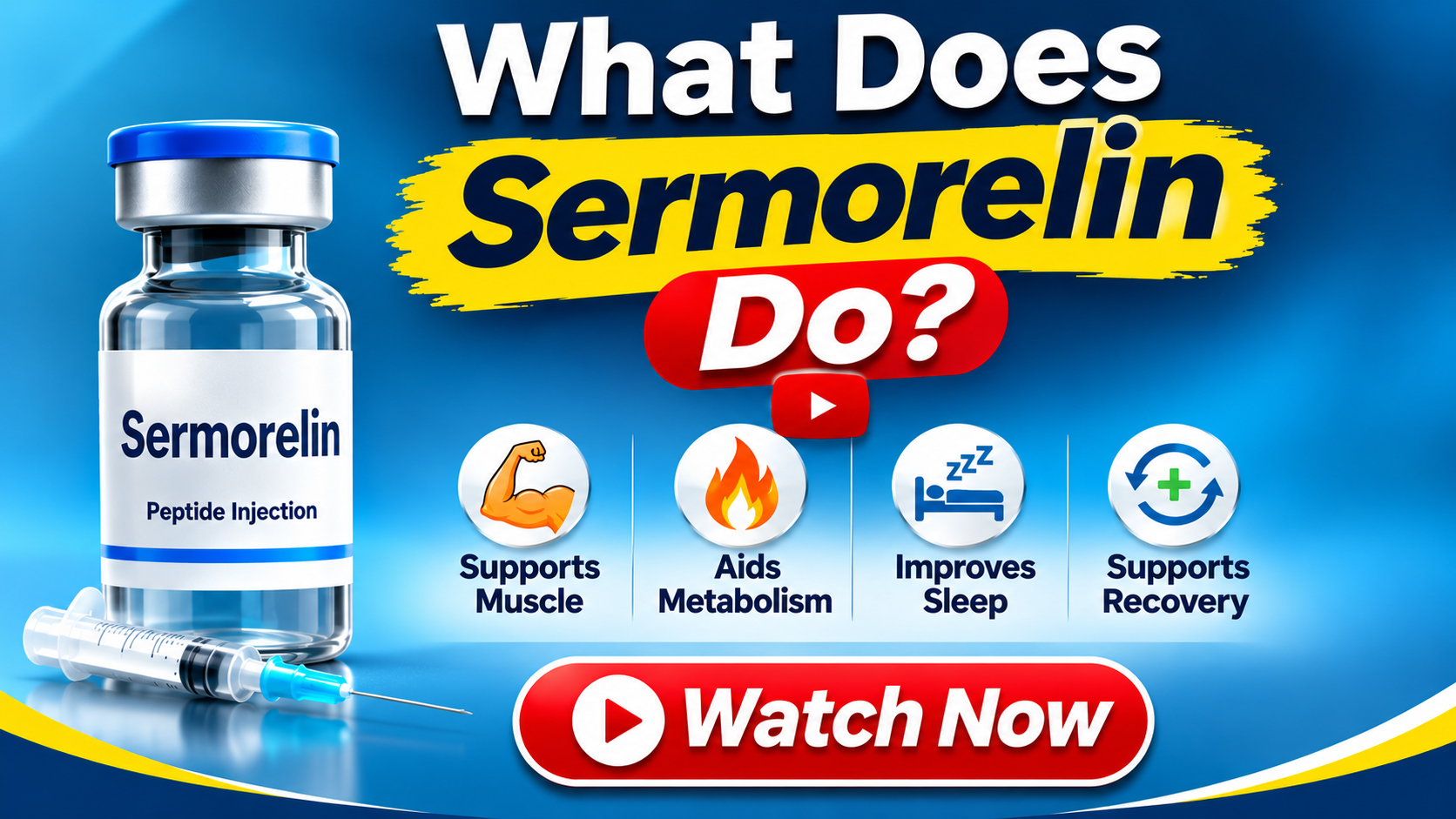

Sermorelin is also being explored for its potential to improve sleep quality, physical recovery, energy levels, and healthy aging. Unlike direct HGH injections, sermorelin works by activating the body’s natural growth hormone production mechanism.
But what does sermorelin do, and how does it affect your body? Can it help with weight loss, muscle development, energy levels, and sleep quality?
Understanding the science behind this peptide can help you develop realistic expectations before considering treatment.
This comprehensive guide explores how sermorelin works, its potential health benefits, side effects, treatment timeline, and important safety considerations.
What Is Sermorelin?
Sermorelin is a synthetic peptide designed to mimic the activity of naturally occurring growth hormone-releasing hormone (GHRH). It consists of 29 amino acids that stimulate the pituitary gland to release human growth hormone (HGH).
Growth hormone plays an important role in several biological processes, including metabolism, tissue maintenance, muscle development, and bone health.
Unlike synthetic HGH injections, which introduce growth hormone directly into the bloodstream, sermorelin stimulates the body’s existing hormone production system.
Sermorelin was previously FDA-approved under the brand name Geref for certain pediatric growth hormone deficiencies and diagnostic purposes. The original medications were discontinued, and the FDA subsequently determined that their withdrawal was not related to safety or effectiveness.
Today, sermorelin may be available through prescription-based compounding pharmacies. These compounded formulations are not FDA-approved.
👉 DON’T TRY THIS “Sermorelin” UNTIL YOU SEE THIS
How Does Sermorelin Work in the Body?
Sermorelin works by stimulating growth hormone-releasing hormone receptors located in the anterior pituitary gland, a small endocrine gland at the base of the brain.
Once administered, the peptide initiates a biological signaling process that encourages the pituitary gland to produce and release growth hormone.
Growth hormone subsequently stimulates the liver and other tissues to produce insulin-like growth factor 1 (IGF-1), which participates in various cellular growth and metabolic processes.
The primary functions associated with this hormonal pathway include:
-
Stimulating natural growth hormone secretion.
-
Influencing fat and carbohydrate metabolism.
-
Regulating protein synthesis.
-
Supporting muscle and bone maintenance.
-
Participating in tissue growth and repair.
-
Influencing cellular development.
-
Maintaining normal body composition.
One distinguishing characteristic of sermorelin is that it stimulates hormone production rather than directly replacing growth hormone.
Its effectiveness depends partly on the pituitary gland’s ability to respond to hormonal stimulation.
Does Sermorelin Help With Weight Loss?
Sermorelin is frequently discussed in the context of weight management because of growth hormone’s involvement in fat metabolism.
Growth hormone can stimulate the breakdown of stored triglycerides into fatty acids, which the body may use as an energy source.
This process has led researchers to explore whether increasing natural growth hormone production could influence body fat distribution and lean muscle maintenance.
Unlike GLP-1 medications, sermorelin does not primarily work by suppressing appetite, increasing feelings of fullness, or slowing gastric emptying.
It targets an entirely different hormonal pathway.
Sermorelin is not an FDA-approved weight loss medication, and reliable estimates of expected weight loss have not been established.
Individuals interested in improving body composition should prioritize balanced nutrition, resistance training, adequate sleep, and evidence-based weight management strategies.
What Does Sermorelin Do for Your Body?
Sermorelin primarily increases growth hormone secretion. Researchers have explored whether stimulating this hormonal pathway can positively influence various aspects of physical health and age-related changes.

1. Stimulates Natural Growth Hormone Production
The primary function of sermorelin is to encourage the pituitary gland to release growth hormone. This hormone contributes to normal tissue maintenance, metabolism, and physical development.
Human studies have demonstrated that GHRH stimulation can increase growth hormone secretion in older adults.
2. May Support Muscle Maintenance
Growth hormone contributes to protein metabolism and the maintenance of lean body tissue. Researchers have investigated whether stimulating its production could help maintain muscle mass and physical strength.
A small six-week study involving older men found improvements in certain measures of muscular strength and endurance following GHRH administration. Further research is needed to establish consistent benefits.
3. May Influence Fat Metabolism
Growth hormone participates in lipolysis, the biological process through which stored fats are broken down.
This connection has generated interest in sermorelin as a potential body composition treatment. Meaningful fat loss from sermorelin alone has not been established.
4. May Influence Sleep Quality
Growth hormone secretion is closely associated with the body’s natural sleep cycle, particularly deep sleep.
Researchers have explored the relationship between growth hormone stimulation and sleep quality. More robust human research is needed to establish whether sermorelin consistently improves sleep.
5. May Support Physical Recovery
Growth hormone and IGF-1 participate in tissue maintenance and repair, making sermorelin an area of interest for physical recovery.
These biological mechanisms do not necessarily translate into faster exercise recovery or injury healing in healthy adults.
6. May Influence Daily Energy Levels
Hormonal health can contribute to physical endurance, metabolic function, and general well-being.
Some adults pursue sermorelin therapy to address declining energy levels, but fatigue can arise from numerous medical and lifestyle factors that require separate evaluation.
7. May Support Bone Health
Growth hormone and IGF-1 contribute to normal bone remodeling and skeletal maintenance.
While this hormonal pathway is important for bone health, sermorelin has not been established as an effective treatment for osteoporosis or age-related bone loss.
What Does Sermorelin Do for Men?
Growth hormone secretion naturally changes throughout adulthood. In men, these changes may occur alongside differences in testosterone levels, muscle mass, physical endurance, and fat distribution.
Sermorelin has gained attention among men interested in maintaining their physical performance and hormonal wellness.
Areas of potential interest include muscle maintenance, exercise recovery, metabolic function, physical endurance, and body composition.
It is important to understand that sermorelin is not testosterone replacement therapy (TRT). It primarily influences the growth hormone pathway rather than directly increasing testosterone production.
Men experiencing reduced libido, persistent fatigue, declining strength, or unexplained weight gain should undergo medical evaluation to identify potential underlying causes before pursuing hormone treatment.
What Does Sermorelin Do for Women?
Women also rely on growth hormone for several important physiological functions, including muscle maintenance, bone remodeling, metabolism, and tissue health.
Hormonal changes during perimenopause, menopause, and aging can influence many aspects of physical well-being.
Some women explore sermorelin therapy because of its potential relationship with body composition, physical recovery, sleep quality, and metabolic function.
Researchers have investigated growth hormone-releasing peptides in older women and men, with mixed findings across different health outcomes.
Sermorelin does not replace estrogen or progesterone and is not an established treatment for menopause-related symptoms.
Women who are pregnant, breastfeeding, or planning pregnancy should discuss the potential risks of hormone-related treatments with a healthcare professional.
Sermorelin vs. HGH: What Is the Difference?
Although sermorelin and human growth hormone are connected to the same hormonal system, they work through different mechanisms.
Sermorelin is a growth hormone-releasing peptide that stimulates the pituitary gland to release growth hormone naturally. Its activity depends on the body’s ability to respond to hormonal signals.
Human growth hormone (HGH) therapy involves administering manufactured growth hormone directly into the body, bypassing the need for pituitary stimulation.
Both approaches can influence growth hormone and IGF-1 levels, but their medical applications, treatment protocols, and safety considerations differ.
Prescription HGH replacement therapy is an established treatment option for appropriately diagnosed growth hormone deficiency in adults.
Sermorelin should not automatically be considered a safer or equally effective alternative to HGH, particularly when used for general wellness or anti-aging purposes.
How Long Does Sermorelin Take to Work?
Sermorelin can stimulate growth hormone secretion shortly after administration. Noticeable physical changes, if they occur, may require considerably more time.
There is no universally established treatment timeline for sermorelin’s adult wellness applications.
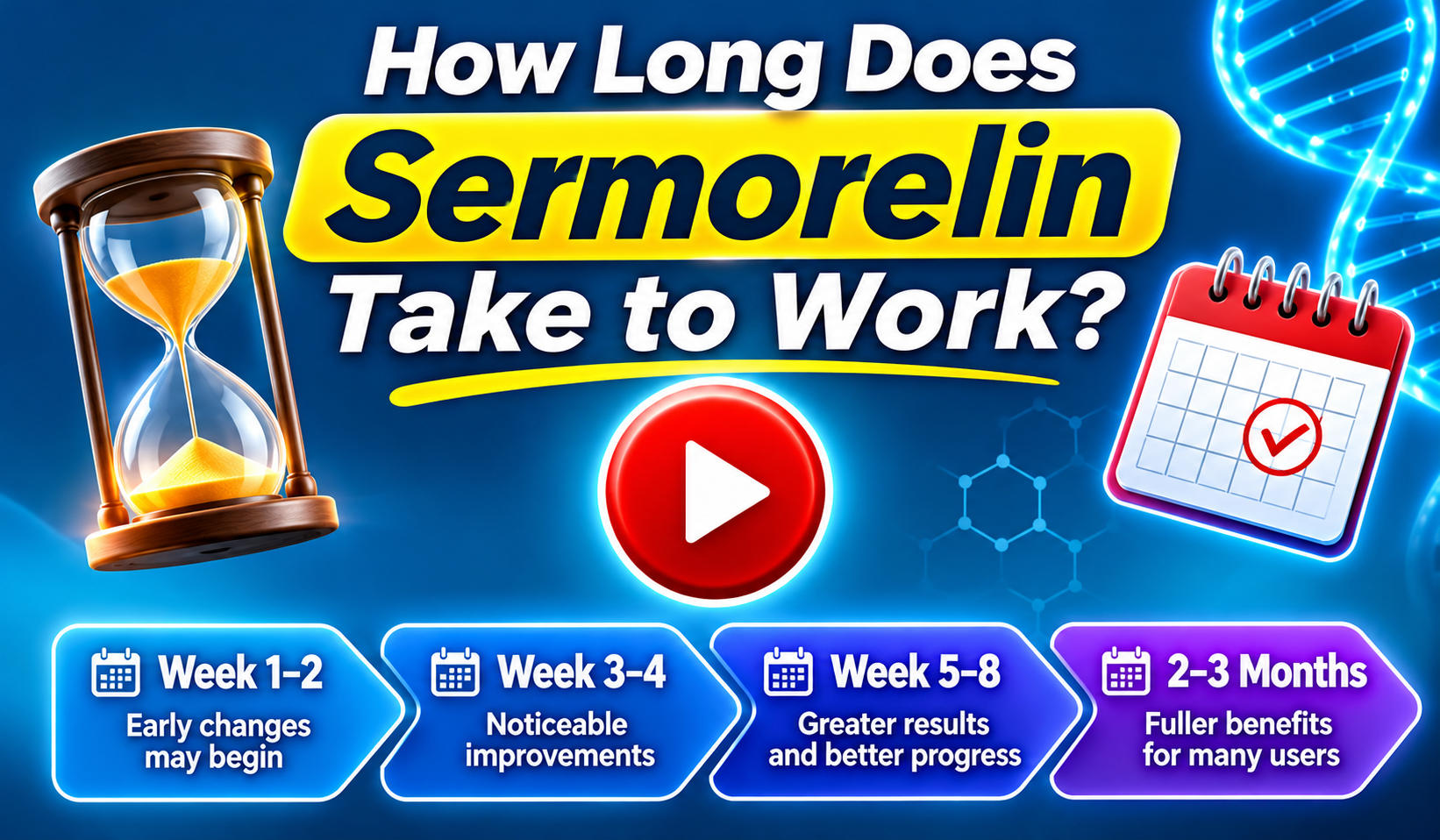
First 1–4 Weeks
During the initial treatment period, healthcare providers may assess medication tolerance, injection-site reactions, and early hormonal responses.
After 1–3 Months
Depending on the treatment plan, healthcare professionals may evaluate IGF-1 levels, general well-being, and other relevant health measurements.
After 3–6 Months
Longer treatment periods may provide opportunities to assess whether measurable changes have occurred in body composition, physical function, or other treatment objectives.
After 6 Months
Continued treatment should depend on measurable benefits, medical necessity, laboratory results, and individual safety considerations.
These timeframes represent possible monitoring intervals rather than guaranteed results.
What Are the Side Effects of Sermorelin?
Like other hormone-related medications, sermorelin may cause unwanted side effects. Individual responses can vary depending on medical history, dosage, and medication sensitivity.
Potential sermorelin side effects include:
-
Injection-site redness, swelling, or discomfort.
-
Headaches.
-
Dizziness.
-
Facial flushing.
-
Nausea.
-
Unusual sleepiness.
-
Difficulty swallowing.
-
Allergic reactions.
Injection-site reactions are among the recognized adverse effects associated with sermorelin administration.
Changes in growth hormone and IGF-1 activity may also influence blood sugar regulation and fluid retention.
The long-term safety of compounded sermorelin for general wellness in healthy adults remains uncertain.
Individuals experiencing difficulty breathing, severe swelling, or other signs of a serious allergic reaction should seek immediate medical attention.
👉 DON’T TRY THIS “Sermorelin” UNTIL YOU SEE THIS
Who Should Consider Sermorelin Therapy?
Sermorelin therapy should only be considered following an appropriate medical assessment and discussion of available treatment alternatives.
An endocrinologist or qualified healthcare professional can help determine whether symptoms are associated with growth hormone dysfunction or another underlying condition.
Individuals with suspected pituitary dysfunction, unexplained hormonal abnormalities, or a history of growth hormone deficiency may benefit from specialized endocrine evaluation.
People with active cancer, uncontrolled diabetes, untreated thyroid disorders, pituitary tumors, or a known allergy to sermorelin require particular caution.
Healthy adults interested solely in bodybuilding, rapid weight loss, or reversing the aging process should also understand that these applications have not been established as approved medical uses.
How Is Sermorelin Administered?
Sermorelin is generally administered through a subcutaneous injection, meaning the medication is delivered into the fatty tissue beneath the skin.
Some treatment protocols involve evening administration because natural growth hormone secretion is associated with nighttime sleep cycles.
The appropriate dosage, frequency, treatment duration, and storage requirements must be determined by the prescribing healthcare professional and dispensing pharmacy.
Before beginning treatment, a healthcare provider may assess IGF-1 levels, thyroid function, blood glucose, medical history, and other relevant hormonal markers.
Ongoing monitoring helps evaluate treatment response and identify potential adverse effects.
Individuals should avoid purchasing unregulated research peptides or self-administering sermorelin without appropriate medical supervision.
Can Sermorelin Slow Down Aging?
One of the main reasons sermorelin has gained popularity is its association with longevity and healthy aging.
Growth hormone production generally decreases as people grow older. This natural change has encouraged scientific interest in the relationship between hormone secretion and age-related physical changes.
Sermorelin’s ability to stimulate growth hormone release has led to investigations involving muscle maintenance, skin health, metabolism, and physical function.
Nevertheless, increasing growth hormone levels does not necessarily reverse the biological aging process or extend lifespan.
The Endocrine Society notes that growth hormone-enhancing therapies are not approved as anti-aging interventions.
Regular physical activity, sufficient sleep, balanced nutrition, and preventive healthcare remain foundational approaches to healthy aging.
Is Sermorelin Safe for Long-Term Use?
The safety of sermorelin depends on individual health conditions, treatment objectives, medication quality, dosage, and medical supervision.
Its historical medical use provides researchers with information about its pharmacological activity and potential adverse effects.
Long-term studies examining compounded sermorelin for general wellness, athletic performance, and longevity in healthy adults remain insufficient to establish comprehensive safety.
Compounded medications also carry additional considerations because they do not undergo the same FDA premarket approval process as approved prescription drugs.
Routine medical appointments, laboratory testing, and regular treatment reassessments are important for individuals receiving hormone-related therapies.
Final Verdict:
Sermorelin is a synthetic peptide that stimulates the pituitary gland to release naturally produced human growth hormone. Its primary function involves activating a hormonal pathway associated with metabolism, cellular growth, muscle maintenance, and tissue repair.
Its biological activity has generated interest in potential applications involving body composition, physical recovery, sleep quality, and healthy aging.
While research supports its ability to stimulate growth hormone secretion, many of its proposed adult wellness benefits require further investigation.
Sermorelin is not a miracle weight loss solution, a replacement for testosterone, or a proven anti-aging treatment.
For individuals interested in exploring sermorelin therapy, professional medical evaluation, realistic expectations, and ongoing health monitoring are essential to making an informed treatment decision.
References
https://www.mayoclinic.org/drugs-supplements/sermorelin-injection-route/description/drg-20065923
https://pubmed.ncbi.nlm.nih.gov/18031173/