TheyaVue Reviews: Does It Work? Expert Analysis & Results
Written By / Medical Review / Updated
Written By: Nuvectra Medical Editorial Team
Medically Reviewed By: Dr. Marino | Nutrition & Wellness Specialist
Fact Checked: Ingredient information, product details, customer feedback, and available research reviewed
TheyaVue is an eye health supplement with targeted nutrients like lutein and zeaxanthin, designed to support vision wellness, antioxidant protection, and healthy eyes.
TheyaVue is highly rated by 2,000+ users with an average score of 4.9/5 ⭐⭐⭐⭐⭐, praised for its natural formula, convenient daily use, eye health support, quality ingredients, and overall customer satisfaction.
Official Website: Click Here

📌 TheyaVue Reviews 2026 — Overview & Ratings
- ⭐ Star rating: 4.9/5 based on ingredient quality, formula transparency, and overall eye wellness support
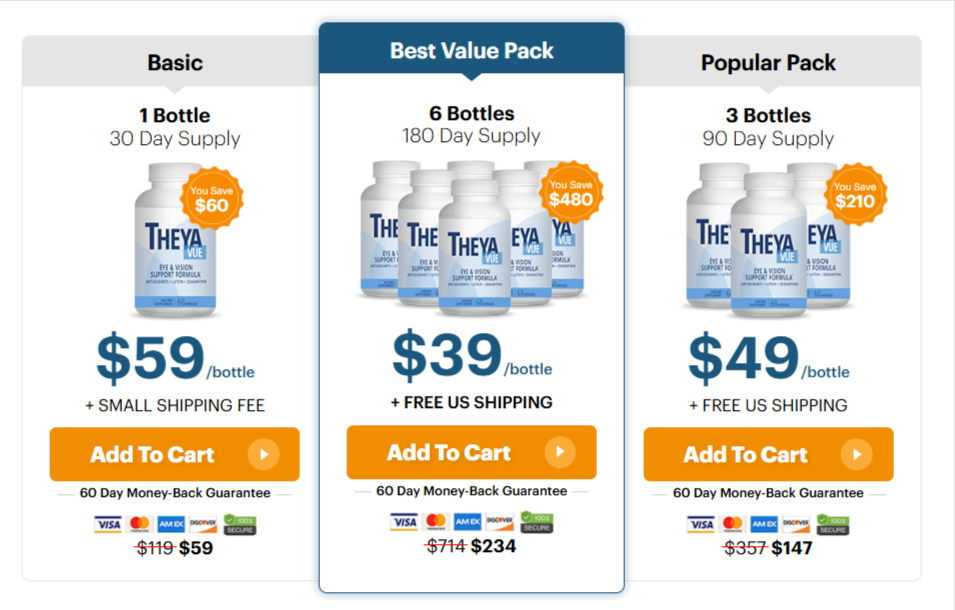
- 💰 Starting price: $69/bottle (1-bottle option) • $49/bottle (6-bottle package, best value)
- 🏆 Best value plan: 6-bottle package with long-term supply savings and 60-day money-back guarantee
- 🌿 Key ingredients: Lutein, Zeaxanthin, Vitamins, Minerals, and antioxidant-focused nutrients
- 📈 Reported results: Supports overall eye wellness, antioxidant protection, and healthy vision maintenance with consistent use
- 🛡️ Guarantee: 60-day money-back guarantee with official purchase protection
- ✅ Verdict: A legitimate eye health supplement designed to support daily nutritional eye wellness and long-term vision care habits.
Introduction: TheyaVue Reviews 2026
Many adults are searching for TheyaVue reviews to learn whether this eye health supplement is worth considering for supporting healthy vision and overall eye wellness.
With increased screen time, digital device use, and growing interest in healthy aging, more people are looking for nutritional solutions that include vitamins, minerals, antioxidants, and plant-based ingredients.
TheyaVue has gained attention because of its multi-nutrient formula designed to support eye health through targeted nutrition.
TheyaVue contains a blend of ingredients such as lutein, zeaxanthin, vitamins, minerals, and botanical extracts that are commonly associated with eye wellness.
In this review, we examine TheyaVue’s formula, benefits, ingredients, pricing, customer feedback, and overall value to help readers understand whether it may be a suitable addition to their daily wellness routine.
What Is TheyaVue?
TheyaVue is a dietary supplement formulated to support eye health and overall vision wellness through a combination of natural ingredients.
The formula is designed around the concept that the eyes require important nutrients to maintain normal function. As people age, nutritional needs can change, and many individuals look for ways to support their bodies with vitamins, minerals, and antioxidants.
TheyaVue includes 24 ingredients selected for their connection with eye health. Some of the primary ingredients highlighted in the formula include lutein, zeaxanthin, vitamin C, calcium, vitamin E, bilberry extract, zinc, and rutin.
The supplement focuses on supporting areas commonly associated with eye wellness, including:
- Antioxidant protection
- Nutritional support for eye cells
- Healthy aging vision
- Daily visual comfort
TheyaVue is not designed as a replacement for medical treatment or professional eye care. Instead, it is intended to complement healthy habits such as maintaining a balanced diet, protecting eyes from excessive screen exposure, and receiving regular eye examinations.
How Does TheyaVue Work?
TheyaVue works by providing a combination of nutrients that support the body’s natural processes related to eye wellness.
The formula focuses on three main areas:
1. Antioxidant Support
One of the primary focuses of TheyaVue is antioxidant protection. The eyes are exposed to oxidative stress from normal metabolic processes and environmental factors.
Antioxidant nutrients help the body manage free radicals, which are unstable molecules that may contribute to cellular stress.
Ingredients such as vitamins C and E, lutein, zeaxanthin, and plant extracts are commonly included in eye health formulas because of their antioxidant properties.
2. Support For Macular and Retinal Health
The macula is an important part of the retina responsible for detailed central vision.
Lutein and zeaxanthin are carotenoids naturally found in the macular region. These nutrients are frequently studied for their relationship with maintaining healthy visual function.
By supplying these nutrients, TheyaVue is designed to support the nutritional needs of the eyes.
3. Support For Daily Eye Comfort
Modern lifestyles often involve extended periods of screen exposure.
TheyaVue is designed to provide nutritional support for people who experience everyday eye challenges related to digital habits, including prolonged computer work, reading, and device usage.
However, maintaining healthy screen habits, taking regular breaks, adjusting lighting, and practicing proper eye care remain important parts of overall eye wellness.
TheyaVue Ingredients Analysis (With Scientific Evidence)
TheyaVue contains a blend of 24 active ingredients, including vitamins, minerals, carotenoids, amino acids, flavonoids, and botanical extracts formulated to support overall eye health and visual function.
While TheyaVue itself has not been evaluated in published clinical trials, many of its individual ingredients have been extensively studied in peer-reviewed research for their roles in maintaining retinal health, reducing oxidative stress, and supporting normal vision.

Vitamin A (as Beta-Carotene) – 50 mcg RAE
Vitamin A is an essential fat-soluble vitamin required for the formation of rhodopsin, a light-sensitive pigment in the retina that enables vision under low-light conditions. Beta-carotene acts as a precursor that the body converts into vitamin A based on physiological needs.
Scientific Evidence
Numerous clinical studies have established that vitamin A deficiency can impair retinal function and lead to night blindness. The National Institutes of Health (NIH) recognizes vitamin A as an essential nutrient for maintaining normal vision and ocular surface integrity.
Evidence Strength:★★★★★ (Strong)
Vitamin C (Ascorbic Acid) – 100 mg
Vitamin C is highly concentrated within the aqueous humor of the eye and functions as one of the body’s primary antioxidant vitamins. It also participates in collagen synthesis required for maintaining corneal and connective tissue structure.
Scientific Evidence
Large observational studies have reported that higher dietary vitamin C intake is associated with a reduced risk of cataract development. Vitamin C is also included in the AREDS formulation developed by the National Eye Institute for individuals at risk of age-related macular degeneration (AMD).
Evidence Strength:★★★★☆
Calcium (Calcium Carbonate) – 25 mg
Calcium plays a fundamental role in cellular signaling, muscle contraction, and nerve transmission throughout the body, including ocular tissues.
Scientific Evidence
Although calcium is essential for normal physiological function, current research provides limited evidence that calcium supplementation alone directly improves visual health.
Evidence Strength:★★☆☆☆
Vitamin E (DL-Alpha Tocopherol Acetate) – 10 mg
Vitamin E is a lipid-soluble antioxidant that protects cell membranes against oxidative damage caused by free radicals.
Scientific Evidence
Vitamin E was included in both the AREDS and AREDS2 clinical trials, where antioxidant supplementation demonstrated benefits in slowing progression of advanced AMD among selected high-risk individuals.
Evidence Strength:★★★★☆
Vitamin B1 (Thiamine Mononitrate) – 4 mg
Thiamine is involved in carbohydrate metabolism and supports normal nervous system function, including the optic nerve.
Scientific Evidence
Clinical evidence supports thiamine’s importance for neurological health, although direct research demonstrating improved vision from supplementation remains limited.
Evidence Strength:★★★☆☆
Vitamin B2 (Riboflavin) – 4 mg
Riboflavin contributes to energy production and antioxidant enzyme activity.
Scientific Evidence
Several studies have linked riboflavin deficiency with certain ocular disorders; however, supplementation benefits in healthy adults remain inconclusive.
Evidence Strength:★★★☆☆
Vitamin B3 (Niacin) – 20 mg
Niacin participates in cellular energy metabolism and vascular function.
Scientific Evidence
Research suggests niacin supports healthy circulation, but there is insufficient evidence demonstrating a direct effect on improving vision.
Evidence Strength:★★☆☆☆
Vitamin B12 (Cyanocobalamin) – 13.5 mcg
Vitamin B12 is required for normal nerve function and DNA synthesis.
Scientific Evidence
Vitamin B12 deficiency has been associated with optic neuropathy. Supplementation is considered beneficial primarily for individuals with confirmed deficiency.
Evidence Strength:★★★★☆
Biotin – 400 mcg
Biotin functions as a coenzyme involved in carbohydrate, fat, and protein metabolism.
Scientific Evidence
Current scientific literature provides little evidence supporting biotin supplementation specifically for eye health in healthy individuals.
Magnesium (Magnesium Oxide) – 20 mg
Magnesium is involved in more than 300 enzymatic reactions related to energy metabolism and vascular function.
Scientific Evidence
Some studies have suggested magnesium may influence ocular blood flow, although larger randomized clinical trials are required to confirm these findings.
Evidence Strength:★★★☆☆
Zinc (Zinc Oxide) – 16 mg
Zinc is highly concentrated in retinal tissue and is involved in vitamin A metabolism and antioxidant enzyme function.
Scientific Evidence
The National Eye Institute’s AREDS and AREDS2 studies demonstrated that zinc supplementation can help slow progression to advanced AMD in selected individuals at high risk.
Evidence Strength:★★★★★ (Strong)
Selenium (as Selenium AAC) – 4 mcg
Selenium contributes to antioxidant defense through selenium-dependent enzymes such as glutathione peroxidase.
Scientific Evidence
Although selenium is essential for antioxidant activity, evidence supporting selenium supplementation specifically for vision health remains limited.
Evidence Strength:★★★☆☆
Copper (as Copper Gluconate) – 1 mg
Copper is an essential trace mineral involved in connective tissue formation and antioxidant enzyme systems.
Scientific Evidence
Copper is commonly included in zinc-containing eye formulas because prolonged high-dose zinc intake may reduce copper absorption.
Evidence Strength:★★★☆☆
Chromium (as Chromium Picolinate) – 1.8 mcg
Chromium contributes to normal glucose metabolism and insulin function.
Scientific Evidence
There is currently no strong clinical evidence demonstrating that chromium supplementation directly improves eye health or visual performance.
Evidence Strength:★★☆☆☆
Proprietary Vision Support Blend (240.5 mg)
Lutein
Lutein is a naturally occurring carotenoid concentrated within the macula of the retina.
Scientific Evidence
Multiple randomized controlled trials, including the AREDS2 study, have shown that lutein supplementation increases macular pigment optical density and may reduce progression of advanced AMD in high-risk individuals.
Evidence Strength:★★★★★ (Strong)
Bilberry Extract (Vaccinium myrtillus)
Bilberry contains anthocyanins, polyphenolic compounds with antioxidant activity.
Scientific Evidence
Systematic reviews report mixed evidence. Some human studies suggest improvements in eye fatigue and visual comfort, while larger well-controlled trials remain limited.
Evidence Strength:★★★☆☆
Alpha-Lipoic Acid (ALA)
Alpha-lipoic acid is a universal antioxidant capable of functioning in both water- and fat-soluble environments.
Scientific Evidence
Preclinical studies demonstrate antioxidant protection of retinal cells, but human clinical evidence remains limited.
Evidence Strength:★★★☆☆
Eyebright (Euphrasia officinalis)
Eyebright is a traditional medicinal herb commonly used in herbal medicine for eye-related applications.
Scientific Evidence
Modern clinical studies evaluating eyebright remain scarce, and most available evidence is based on traditional use rather than high-quality randomized trials.
Evidence Strength:★★☆☆☆
Zeaxanthin
Zeaxanthin is a carotenoid naturally concentrated in the macula alongside lutein.
Scientific Evidence
Clinical research consistently demonstrates that lutein and zeaxanthin supplementation increases macular pigment density and supports retinal antioxidant protection.
Evidence Strength:★★★★★(Strong)
Quercetin
Quercetin is a plant flavonoid known for antioxidant and anti-inflammatory properties.
Scientific Evidence
Laboratory and animal research is encouraging, but human clinical evidence specifically supporting eye health remains limited.
Evidence Strength:★★★☆☆
Rutin
Rutin is a naturally occurring flavonoid found in several fruits and medicinal plants.
Scientific Evidence
Research suggests rutin possesses antioxidant and vascular-supportive properties, although direct clinical studies on vision remain limited.
Evidence Strength:★★★☆☆
L-Taurine
Taurine is one of the most abundant amino acids within retinal tissue.
Scientific Evidence
Experimental studies indicate taurine deficiency may contribute to retinal degeneration. Human clinical supplementation studies remain limited but biologically plausible.
Evidence Strength:★★★★☆
Grape Seed Extract (Vitis vinifera)
Grape seed extract contains oligomeric proanthocyanidins (OPCs), compounds recognized for antioxidant activity.
Scientific Evidence
Human studies support vascular and antioxidant effects, although evidence specifically evaluating vision outcomes remains limited.
Evidence Strength:★★★☆☆
Lycopene
Lycopene is a carotenoid antioxidant naturally present in tomatoes and other red fruits.
Scientific Evidence
Most evidence comes from laboratory and observational studies investigating antioxidant activity. Clinical trials examining direct effects on eye health are still limited.
Evidence Strength:★★★☆☆