Sermorelin Long-Term Side Effects: Safety Guide!
Sermorelin has become a popular peptide therapy option for individuals looking to support natural growth hormone production, improve recovery, enhance energy levels, and address age-related changes associated with declining growth hormone levels.
Unlike direct growth hormone therapy, Sermorelin stimulates the body’s own production of growth hormone through the natural pathway of the hypothalamus-pituitary axis.
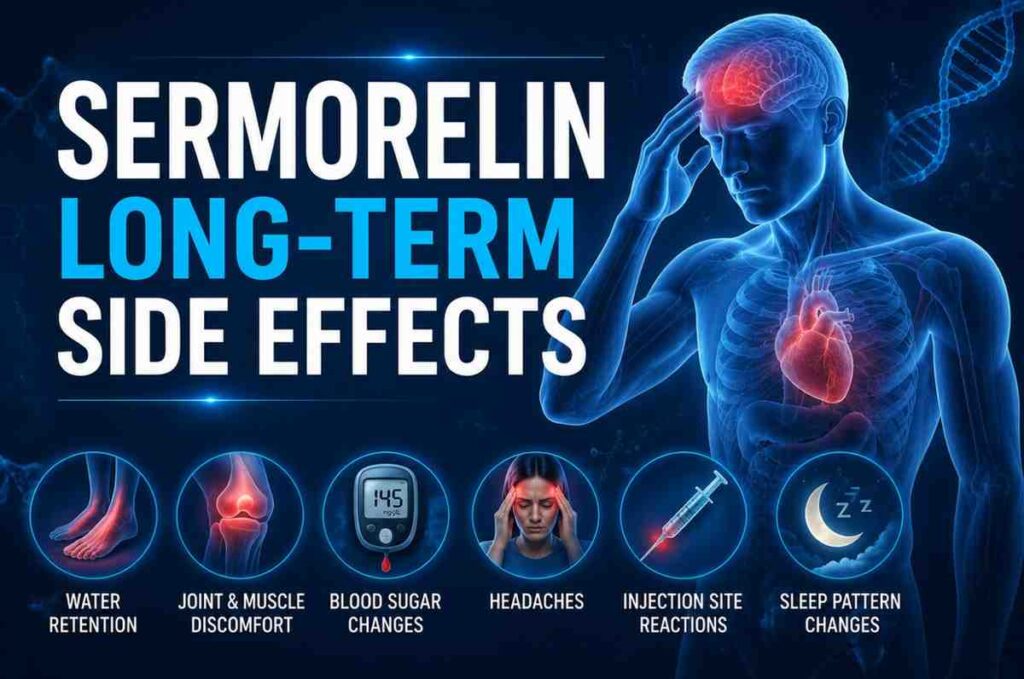
While many patients explore Sermorelin because of its potential benefits, understanding the possible long-term side effects is an important part of making an informed decision.
Hormone-related treatments can affect multiple systems in the body, and extended use requires proper evaluation, dosage management, and healthcare supervision.
Sermorelin long-term side effects may include hormonal changes, fluid retention, joint discomfort, and other risks that may require medical monitoring.
Sermorelin should always be used under the guidance of a qualified healthcare professional. This guide explains Sermorelin long-term side effects, potential risks, safety considerations, who should avoid it, and how proper monitoring may help reduce complications.
What Is Sermorelin?
Sermorelin is a synthetic peptide that acts similarly to growth hormone-releasing hormone (GHRH), a naturally occurring hormone produced by the hypothalamus. Its primary function is to signal the pituitary gland to release more growth hormone.
As people age, natural growth hormone production often declines. Lower growth hormone levels may be associated with changes in muscle mass, energy, recovery ability, sleep quality, and body composition.
Unlike synthetic human growth hormone (HGH), Sermorelin does not directly provide growth hormone. Instead, it encourages the body to produce and regulate its own supply.
Sermorelin supports the body’s natural growth hormone pathway rather than directly replacing growth hormone.
Because Sermorelin affects hormone levels, long-term use should be accompanied by careful assessment and follow-up testing.
How Does Sermorelin Work in the Body?
Sermorelin works by mimicking the action of growth hormone-releasing hormone. After administration, it travels through the bloodstream and communicates with the pituitary gland.
The process generally follows these steps:
- Sermorelin stimulates the pituitary gland.
- The pituitary releases growth hormone.
- Growth hormone encourages the production of insulin-like growth factor-1 (IGF-1).
- IGF-1 contributes to processes involving muscle growth, metabolism, tissue repair, and recovery.
Because Sermorelin influences this hormone pathway, changes in growth hormone and IGF-1 levels may occur over time.
Hormonal changes are the main reason long-term monitoring is important during Sermorelin therapy.
Why Do People Use Sermorelin?
Many people consider Sermorelin therapy for age-related hormone changes or wellness goals. Potential reasons include:
- Supporting healthy growth hormone levels
- Improving recovery after exercise
- Supporting lean muscle maintenance
- Promoting better sleep patterns
- Helping maintain healthy body composition
- Supporting overall wellness
However, results can vary depending on age, health status, lifestyle, dosage, and individual response.
Sermorelin is not a guaranteed solution and may not produce the same results for everyone.
Sermorelin Long-Term Side Effects: What Are the Possible Risks?
Long-term Sermorelin side effects are generally related to increased growth hormone activity, changes in IGF-1 levels, and individual sensitivity to treatment.
Although many patients tolerate Sermorelin well when prescribed appropriately, extended use may carry risks.
1. Water Retention and Swelling
One possible long-term side effect of Sermorelin is increased fluid retention. Higher growth hormone activity may influence how the body manages fluids.
Some individuals may experience:
- Swelling in hands or feet
- Puffiness around certain areas
- Temporary weight increases
- A feeling of bloating
These symptoms may occur because growth hormone affects sodium balance and fluid regulation.
Persistent swelling should always be discussed with a healthcare provider.
2. Joint and Muscle Discomfort
Changes in growth hormone activity may affect connective tissues, muscles, and joints.
Some users report:
- Joint stiffness
- Muscle aches
- Increased sensitivity after exercise
- General discomfort
These effects may vary based on dosage and individual response.
Not everyone experiences joint discomfort, but it can be a hormone-related reaction.
3. Increased Blood Sugar Levels
Growth hormone plays a role in metabolism, including how the body processes glucose.
Long-term stimulation of growth hormone pathways may influence insulin sensitivity in some individuals.
Possible concerns include:
- Higher blood glucose levels
- Changes in insulin response
- Increased monitoring needs for people with metabolic concerns
Individuals with diabetes or blood sugar conditions should discuss Sermorelin use carefully with their healthcare provider. Blood sugar monitoring may be important during long-term hormone therapy.
4. Changes in Insulin-Like Growth Factor-1 (IGF-1)
Sermorelin increases growth hormone production, which can raise IGF-1 levels.
IGF-1 plays an important role in:
- Cell growth
- Tissue repair
- Muscle development
- Metabolic activity
However, consistently elevated IGF-1 levels may require medical monitoring.
Healthcare providers may order blood tests to ensure hormone levels remain within an appropriate range.
Balanced hormone levels are the goal—not excessive stimulation.
5. Headaches
Some individuals may experience headaches while using Sermorelin.
Possible reasons include:
- Hormonal adjustments
- Changes in fluid balance
- Individual sensitivity
Mild headaches may improve as the body adjusts, but frequent or severe headaches should be evaluated.
6. Injection Site Reactions
Because Sermorelin is commonly administered through injections, some users may experience localized reactions.
Common injection-related effects include:
- Redness
- Mild swelling
- Itching
- Tenderness
Proper injection technique and rotating injection locations may help reduce irritation.
Injection site reactions are usually temporary but should be monitored.
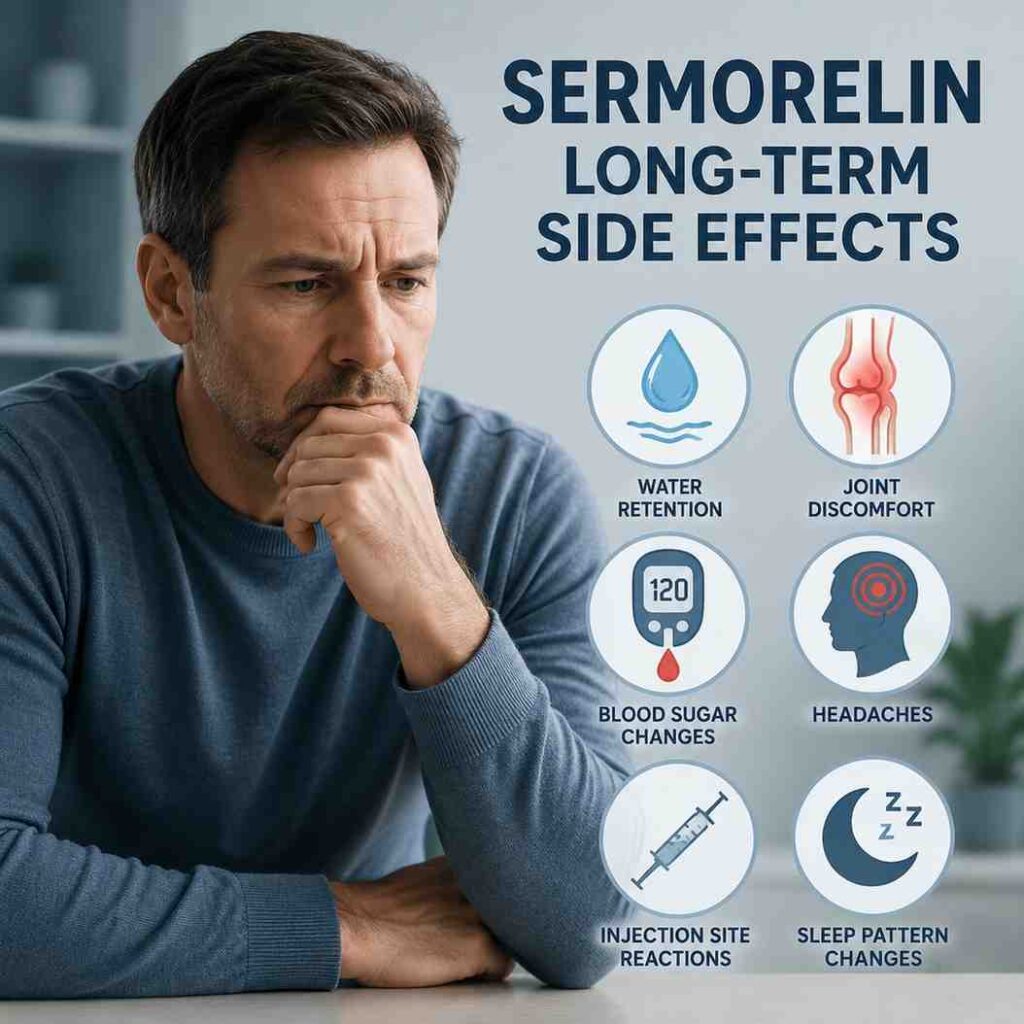
7. Sleep Pattern Changes
Some people use Sermorelin because growth hormone naturally plays a role in sleep cycles.
However, hormone changes may affect sleep differently from person to person.
Possible experiences include:
- Improved sleep quality
- Changes in sleep patterns
- Restlessness in some individuals
The effect may depend on timing, dosage, and personal biology.
8. Numbness or Tingling Sensations
Changes related to fluid retention or tissue response may contribute to sensations such as:
- Tingling
- Numbness
- Increased pressure in hands or feet
These symptoms should not be ignored if they become persistent.
9. Possible Effects on Heart Health
Growth hormone influences metabolism, fluid balance, and cardiovascular function.
Long-term hormone stimulation may require consideration of:
- Blood pressure changes
- Cholesterol levels
- Cardiovascular risk factors
Individuals with existing heart conditions should discuss potential risks before beginning treatment.
A complete health evaluation helps determine whether Sermorelin is appropriate.
10. Hormonal Imbalance Concerns
Because Sermorelin affects hormone signaling, improper use may contribute to hormone imbalance.
Potential concerns include:
- Abnormal growth hormone levels
- Changes in related hormones
- Unwanted physical changes
Working with a qualified healthcare provider can help maintain appropriate treatment levels.
Is Sermorelin Safe for Long-Term Use?
Sermorelin safety depends on several factors, including:
- Individual health history
- Treatment goals
- Dosage
- Treatment duration
- Medical supervision
When prescribed appropriately and monitored regularly, Sermorelin may be considered a controlled approach to supporting growth hormone production.
However, long-term safety data are more limited than for some established medications.
Regular medical monitoring is essential for anyone using Sermorelin for an extended period.
How Doctors Monitor Long-Term Sermorelin Use
Healthcare providers may monitor several areas during treatment, including:
IGF-1 Levels
Blood tests may help assess the extent to which Sermorelin affects growth hormone activity.
Blood Sugar
Glucose monitoring may help identify metabolic changes.
Physical Symptoms
Doctors may review:
- Swelling
- Joint discomfort
- Sleep changes
- Energy levels
- Body composition changes
Who Should Avoid Long-Term Sermorelin Use?
Although Sermorelin may be suitable for some individuals, it is not recommended for everyone. Certain health conditions, medical histories, or personal risk factors may increase the chance of complications.
Before starting Sermorelin therapy, a healthcare provider should review your overall health, medications, hormone levels, and treatment goals.
A proper medical evaluation helps determine whether Sermorelin is a safe choice for your needs.
People who may need to avoid or use extra caution with Sermorelin include:
Individuals With Active Cancer
Growth hormone and IGF-1 are involved in cell growth processes. People with active cancer or a history of certain cancers may require additional evaluation before using therapies that influence growth hormone pathways.
People With Uncontrolled Diabetes
Since growth hormone can affect insulin sensitivity and blood sugar regulation, individuals with poorly controlled diabetes should discuss potential risks with a healthcare professional.
Individuals With Serious Hormonal Disorders
People with existing pituitary gland disorders or other hormone-related conditions may need specialized evaluation before beginning treatment.
Pregnant or Breastfeeding Individuals
Sermorelin use during pregnancy or breastfeeding should only be considered under medical guidance, as hormone changes may affect both the individual and baby.
People With Allergies to Sermorelin Components
Anyone with known allergies to Sermorelin or its ingredients should avoid treatment unless approved by a healthcare provider.
Medical supervision is important because hormone therapies affect the entire body.
Ways to Reduce Long-Term Sermorelin Side Effects
While side effects cannot always be completely prevented, certain practices may help make treatment safer.
1. Follow the Prescribed Dosage
Using more Sermorelin than recommended may increase the likelihood of unwanted effects.
A healthcare provider typically determines dosage based on:
- Age
- Health history
- Hormone levels
- Treatment goals
- Individual response
The correct dosage is designed to support balance, not excessive hormone stimulation.
2. Complete Regular Blood Testing
Routine testing can help monitor how your body responds to Sermorelin.
Healthcare providers may check:
- IGF-1 levels
- Blood glucose
- Hormone markers
- Overall health indicators
These tests allow adjustments when necessary.
3. Maintain a Healthy Lifestyle
Lifestyle habits may influence how effectively your body responds to Sermorelin.
Helpful habits include:
- Eating a balanced diet
- Exercising regularly
- Getting enough sleep
- Managing stress
Healthy lifestyle choices can support better treatment outcomes.
4. Report Unusual Symptoms Early
Patients should communicate any concerning changes during treatment.
Contact your healthcare provider if you experience:
- Persistent swelling
- Severe headaches
- Significant joint pain
- Vision changes
- Unusual fatigue
Early attention may help prevent complications.

Sermorelin Safety Tips for Long-Term Users
Following safety guidelines can help individuals use Sermorelin more responsibly.
Work With a Qualified Healthcare Provider
Sermorelin should only be used through appropriate medical guidance. A healthcare professional can evaluate whether treatment is suitable and monitor progress.
Avoid Self-Adjusting Your Dose
Changing the dosage without medical approval may increase the risk of side effects.
Store and Use Medication Properly
Following storage instructions and proper injection practices can reduce contamination risks and improve safety.
Track Your Progress
Keeping records of changes in:
- Energy levels
- Sleep quality
- Body composition
- Side effects
can help your provider make informed decisions.
Long-term success depends on consistent monitoring and responsible use.
Benefits vs Risks of Long-Term Sermorelin Use
Understanding both potential benefits and possible risks can help individuals make informed choices.
| Potential Benefits | Possible Risks |
|---|---|
| Supports natural growth hormone production | Fluid retention |
| May support muscle recovery | Joint discomfort |
| May improve sleep quality | Changes in blood sugar |
| Supports body composition goals | Hormonal changes |
| May promote recovery processes | Injection site reactions |
| May support overall wellness | Need for ongoing monitoring |
The goal of Sermorelin therapy is achieving healthy hormone balance while minimizing risks.
How Long Can Someone Take Sermorelin?
The length of Sermorelin therapy varies depending on individual goals and healthcare recommendations.
Some people may use Sermorelin for several months, while others may continue longer with regular monitoring.
Factors affecting treatment duration include:
- Treatment response
- Health changes
- Hormone test results
- Side effects
- Personal goals
There is no universal timeline that works for everyone.
Long-term treatment decisions should always be personalized.
Does Sermorelin Cause Permanent Side Effects?
Most Sermorelin-related side effects are generally associated with hormone changes and may improve after dosage adjustments or discontinuation under medical supervision.
However, the possibility of longer-lasting effects depends on:
- Individual health factors
- Treatment duration
- Dosage levels
- Existing medical conditions
Regular monitoring can help identify concerns before they become serious.
Can Sermorelin Affect the Heart?
Because growth hormone influences metabolism and fluid balance, long-term Sermorelin use may require cardiovascular monitoring.
Potential areas doctors may evaluate include:
- Blood pressure
- Cholesterol levels
- Weight changes
- Overall cardiovascular health
People with existing heart conditions should discuss Sermorelin carefully before treatment.
Does Sermorelin Increase Cancer Risk?
Sermorelin does not directly cause cancer. However, because growth hormone and IGF-1 influence cell growth activity, doctors carefully consider cancer history before prescribing hormone-related treatments.
Individuals with active cancer or certain risk factors may require additional medical evaluation.
Hormone therapy decisions should always consider personal health history.
Conclusion: Is Sermorelin Worth Considering Long Term?
In conclusion, I highly recommend trying Sermorelin only after discussing your health goals and medical history with a qualified healthcare provider.
Sermorelin may offer potential benefits by supporting natural growth hormone production, recovery, sleep quality, and overall wellness.
However, understanding the long-term side effects of Sermorelin is essential before beginning treatment. Possible concerns such as fluid retention, blood sugar fluctuations, joint discomfort, and hormonal changes highlight the importance of proper monitoring.
Responsible use, personalized dosing, and regular medical evaluations are key factors for safer Sermorelin therapy.
For individuals who are appropriate candidates, Sermorelin may be a valuable option when combined with healthy lifestyle habits and professional healthcare guidance.
References
What Is Sermorelin, and How Is It Used?
https://www.healthline.com/health/sermorelin
Sermorelin
https://www.mayoclinic.org/drugs-supplements/sermorelin-injection-route/description/drg-20065923
Sermorelin: A better approach to management of adult-onset growth hormone insufficiency?
https://pmc.ncbi.nlm.nih.gov/articles/PMC2699646/
.