Foods for Prostate Health Repair: Complete Diet Guide
Discover the best foods for prostate health repair. Learn which nutrient-rich foods may support prostate function, reduce inflammation, and promote men’s health.


Foods for Prostate Health Repair: The Best Diet to Support a Healthy Prostate Naturally
Prostate health is an important part of men’s overall well-being, especially after the age of 40.
While aging naturally increases the risk of prostate-related conditions, your daily food choices can play a significant role in supporting prostate function, reducing inflammation, and promoting long-term urinary and reproductive health.
Although no single food can “repair” the prostate overnight, a nutrient-rich diet can help your body fight inflammation, reduce oxidative stress, support healthy hormone balance, and improve urinary symptoms associated with prostate enlargement.
Research consistently shows that men who follow a Mediterranean-style eating pattern rich in vegetables, fruits, whole grains, healthy fats, and lean proteins generally have better prostate health than those who consume highly processed foods.
In this comprehensive guide, we’ll explore the best foods for repairing prostate health, explain why they work, discuss foods to avoid, and share practical dietary habits to help keep your prostate healthy for years to come.
Understanding the Prostate
The prostate is a small gland about the size of a walnut, located below the bladder and surrounding the urethra. Its primary function is to produce fluid that nourishes and transports sperm.
As men age, the prostate commonly undergoes changes that may include:
- Benign Prostatic Hyperplasia (BPH)
- Chronic inflammation
- Prostatitis
- Increased risk of prostate cancer
Many of these conditions are associated with chronic inflammation, oxidative stress, hormonal changes, obesity, and poor dietary habits. While medical evaluation is essential for persistent symptoms, adopting a healthier diet can become an important part of overall prostate care.
Can Foods Really Repair the Prostate?
The word “repair” can sometimes be misleading. Foods cannot reverse serious prostate disease or replace medical treatment. However, they can support the body’s natural healing processes by:
- Lowering chronic inflammation
- Protecting cells from oxidative damage
- Supporting healthy hormone metabolism
- Improving blood circulation
- Helping maintain a healthy weight
- Providing antioxidants that protect prostate tissue
Over time, these effects may contribute to healthier prostate function and improved urinary health.
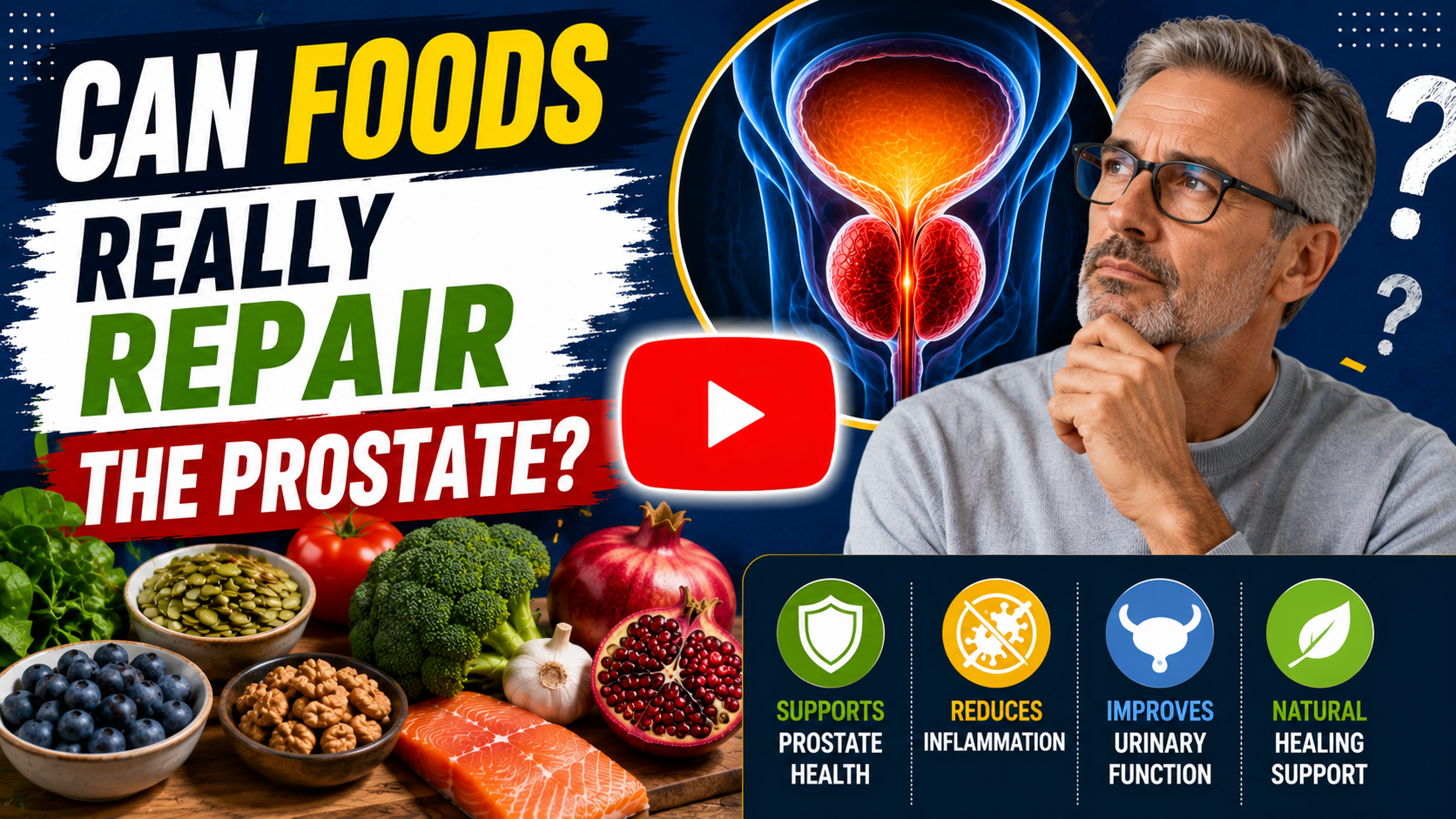
Top Foods for Prostate Health Repair
1. Tomatoes
Tomatoes are among the most studied foods for prostate health because they contain lycopene, a powerful antioxidant.
Lycopene helps neutralize harmful free radicals that can damage prostate cells. Interestingly, cooked tomatoes contain even more absorbable lycopene than raw tomatoes.
Excellent sources include:
- Tomato sauce
- Tomato paste
- Roasted tomatoes
- Tomato soup
- Cooked cherry tomatoes
Adding olive oil while cooking tomatoes further improves lycopene absorption.
2. Cruciferous Vegetables
Cruciferous vegetables contain sulforaphane and indole compounds that have been widely studied for their protective effects on prostate cells.
These vegetables include:
- Broccoli
- Cauliflower
- Brussels sprouts
- Kale
- Cabbage
- Bok choy
They are rich in vitamins, minerals, fiber, and phytochemicals that help reduce inflammation while supporting overall immune health.
3. Fatty Fish
Cold-water fish are excellent sources of omega-3 fatty acids.
Omega-3 fats help reduce inflammation throughout the body and may support healthier prostate tissue.
Choose fish such as:
- Salmon
- Sardines
- Mackerel
- Trout
- Herring
Aim for two servings each week for maximum benefit.
4. Berries
Blueberries, strawberries, raspberries, and blackberries are loaded with antioxidants including vitamin C, anthocyanins, and polyphenols.
These nutrients help protect prostate cells from oxidative damage while supporting immune function.
Enjoy berries:
- Fresh
- Frozen
- In smoothies
- With yogurt
- Mixed into oatmeal
5. Pumpkin Seeds
Pumpkin seeds are naturally rich in:
- Zinc
- Magnesium
- Healthy fats
- Plant sterols
Zinc is especially important because the prostate contains one of the highest concentrations of zinc in the body.
A small handful several times per week makes an excellent snack.
6. Green Tea
Green tea contains catechins, particularly EGCG, which have antioxidant and anti-inflammatory properties.
Regular consumption may help:
- Reduce oxidative stress
- Support healthy PSA levels
- Protect prostate cells
Replacing sugary beverages with green tea is a simple lifestyle improvement.
7. Nuts
Nuts provide healthy fats, vitamin E, selenium, magnesium, and plant compounds.
Good choices include:
- Walnuts
- Almonds
- Brazil nuts
- Pistachios
Brazil nuts are particularly rich in selenium, although they should be eaten in moderation.
8. Olive Oil
Extra virgin olive oil is a cornerstone of the Mediterranean diet.
Its healthy monounsaturated fats and polyphenols help reduce inflammation while supporting cardiovascular health.
Use olive oil for:
- Salad dressings
- Roasted vegetables
- Cooking
- Homemade marinades
9. Legumes
Beans and lentils provide:
- Plant protein
- Fiber
- Minerals
- Slow-digesting carbohydrates
Replacing red meat with legumes several times per week may benefit prostate health while improving heart health.
Examples include:
- Black beans
- Kidney beans
- Chickpeas
- Lentils
10. Citrus Fruits
Vitamin C-rich fruits help reduce oxidative stress.
Excellent options include:
- Oranges
- Grapefruit
- Lemons
- Limes
Their antioxidants support immune health and cellular function.
11. Whole Grains
Whole grains provide fiber that supports healthy digestion, blood sugar regulation, and weight management.
Good options include:
- Oats
- Brown rice
- Quinoa
- Whole wheat
- Barley
Replacing refined grains with whole grains supports overall metabolic health.
13. Leafy Green Vegetables
Dark leafy greens contain:
- Folate
- Vitamin K
- Magnesium
- Lutein
- Antioxidants
Examples include:
- Spinach
- Swiss chard
- Arugula
- Collard greens
These vegetables help reduce inflammation and support overall health.
Foods That May Worsen Prostate Health
Certain dietary habits may contribute to inflammation and worsen urinary symptoms in some men.
These include:
Processed Meats
Examples include:
- Bacon
- Sausage
- Hot dogs
- Deli meats
High intake has been associated with poorer overall health and increased prostate disease risk.
Excess Red Meat
Frequent consumption of beef, pork, and lamb may increase inflammation. Replacing some servings with fish or plant proteins is generally recommended.
Sugary Drinks
Soft drinks and sweetened beverages contribute to obesity and metabolic problems that may negatively affect prostate health.
Choose:
- Water
- Herbal tea
- Green tea
instead.
Excess Alcohol
Heavy alcohol intake may worsen urinary symptoms in some men.
Moderation is the healthiest approach.
High-Sodium Foods
Highly processed frozen meals and packaged snacks often contain excessive sodium, which may aggravate urinary symptoms.
Fresh home-cooked meals are generally better choices.
Saturated and Trans Fats
Foods high in unhealthy fats include:
- Fried foods
- Fast food
- Commercial baked goods
Replacing them with healthy fats supports both prostate and heart health.
The Mediterranean Diet and Prostate Health

Rather than focusing on individual “superfoods,” many experts recommend following a Mediterranean-style eating pattern.
This includes:
- Plenty of vegetables
- Fruits
- Whole grains
- Fish
- Olive oil
- Nuts
- Beans
- Limited processed foods
- Reduced red meat
This dietary pattern supports healthy body weight, reduces inflammation, and provides a broad range of nutrients beneficial for prostate health.
Lifestyle Habits That Support Prostate Health
Nutrition works best when combined with healthy lifestyle habits.
Exercise Regularly
- Aim for at least 150 minutes of moderate physical activity every week.
- Walking, swimming, cycling, and resistance training all support healthy weight management and may reduce urinary symptoms.
Maintain a Healthy Weight
- Excess abdominal fat is associated with increased inflammation and poorer prostate health.
- Gradual, sustainable weight loss through healthy eating and exercise can be beneficial.
Stay Hydrated
- Drink enough water throughout the day.
- However, if nighttime urination is a problem, consider reducing fluid intake a few hours before bedtime while still meeting daily hydration needs.
Don’t Smoke
- Smoking increases oxidative stress and negatively affects blood circulation throughout the body, including the urinary tract.
- Quitting smoking supports overall health.
Get Regular Screenings
- Men over age 50, or earlier for those with higher risk, should discuss prostate screening with their healthcare provider.
- Early detection remains one of the most effective strategies for managing prostate disease.
Sample One-Day Prostate-Healthy Meal Plan
Breakfast
- Oatmeal with blueberries
- Walnuts
- Green tea
Morning Snack
- Pumpkin seeds
- Orange
Lunch
- Grilled salmon
- Steamed broccoli
- Brown rice
- Mixed salad with olive oil
Afternoon Snack
- Greek yogurt
- Strawberries
Dinner
- Lentil soup
- Spinach salad
- Whole-grain bread
Evening
- Herbal tea
- Fresh berries
Final Thoughts
Your daily diet has a meaningful impact on prostate health. While no food can completely repair prostate damage or replace appropriate medical treatment, consistently eating nutrient-dense foods can help reduce inflammation, protect prostate cells, improve urinary health, and support overall wellness.
A Mediterranean-style eating pattern rich in vegetables, fruits, whole grains, legumes, healthy fats, fish, and antioxidant-rich foods remains one of the most evidence-supported approaches for maintaining a healthy prostate.
Equally important are regular exercise, maintaining a healthy weight, staying hydrated, avoiding smoking, and keeping up with routine medical checkups. These lifestyle habits work together with good nutrition to promote long-term prostate health and overall quality of life.
If you experience symptoms such as frequent urination, weak urine flow, blood in the urine, pelvic pain, or persistent urinary discomfort, seek prompt evaluation from a qualified healthcare professional. Early diagnosis and appropriate treatment are essential for the best possible outcomes.
References
.