Do GLP-1 Patches Work? Truth About Effectiveness & Safety
Discover the truth about GLP-1 patches. Learn how they work, their effectiveness and safety, and how they compare with proven GLP-1 treatments.

Introduction
The growing popularity of GLP-1 medications has changed the way many people approach weight management and metabolic health.
Prescription GLP-1 treatments, such as semaglutide and tirzepatide, have gained attention because of their ability to support appetite control, improve blood sugar regulation, and promote meaningful weight loss when used under medical supervision.
With the increased demand for convenient weight loss solutions, a new trend has emerged: GLP-1 patches. These patches are promoted as an easier, needle-free alternative that may help support weight loss by delivering GLP-1-related compounds through the skin.
Many people searching for a simple solution wonder, “Do GLP-1 patches work?”
The short answer is that current evidence does not confirm that commercially available GLP-1 patches provide the same benefits as FDA-approved injectable GLP-1 medications.
While the idea of a painless patch sounds appealing, the science behind delivering large peptide-based medications like GLP-1 through the skin remains challenging.
Understanding how GLP-1 treatments work, what research says about patches, and what alternatives are available can help individuals make informed decisions about their weight management journey.
What Are GLP-1 Patches?
GLP-1 patches are wearable devices designed to be placed on the skin of deliver compounds that may influence GLP-1 pathways in the body. They are often promoted as a convenient option for people who want to avoid injections.
These patches are usually marketed as supporting:
- Appetite control
- Reduced cravings
- Improved metabolism
- Weight management
- Blood sugar balance
However, it is important to understand that most products labeled as “GLP-1 patches” are not equivalent to prescription GLP-1 medications.
Many available patches contain ingredients such as herbal extracts, vitamins, minerals, or other compounds that may support general wellness but do not contain FDA-approved GLP-1 receptor agonists.
Prescription GLP-1 medications are complex biological molecules called peptides. Delivering these molecules effectively through the skin requires advanced technology because peptides are large and unstable compared with many smaller drug molecules.
How Do GLP-1 Medications Work?
To understand whether GLP-1 patches work, it helps to understand how actual GLP-1 medications function.
GLP-1 stands for glucagon-like peptide-1, a naturally occurring hormone produced in the digestive system after eating. This hormone plays an important role in regulating appetite, digestion, and blood sugar levels.
GLP-1 medications work by mimicking the effects of this natural hormone. They activate GLP-1 receptors throughout the body, helping to:
Slow Digestion
GLP-1 medications slow the movement of food from the stomach into the small intestine. This can help people feel full for longer periods after eating.
Reduce Appetite
These medications influence appetite-related signals in the brain, which may reduce hunger, cravings, and the desire to consume excess calories.
Support Blood Sugar Control
GLP-1 treatments stimulate insulin release when blood sugar levels are elevated and help reduce glucose production in the liver.
Promote Weight Loss
By improving fullness, reducing food intake, and supporting metabolic regulation, GLP-1 medications may contribute to significant weight reduction for eligible individuals.
Because of these effects, prescription GLP-1 medications have become widely studied options for obesity management and type 2 diabetes treatment.
Do GLP-1 Patches Work?
The effectiveness of GLP-1 patches depends on what type of patch is being discussed.
Prescription GLP-1 medications such as semaglutide and tirzepatide are typically administered through injections because peptides are difficult to absorb through the skin.
The skin acts as a protective barrier that effectively prevents many large molecules from entering the bloodstream.
For a GLP-1 patch to work like an injection, it would need to:
- Deliver an adequate amount of active medication
- Maintain stable absorption levels
- Reach therapeutic concentrations in the bloodstream
- Provide consistent effects over time
At this time, most consumer GLP-1 patches have not demonstrated this level of effectiveness through large-scale clinical studies.
Some patches may provide benefits related to their included ingredients, but these effects should not be confused with the proven weight-loss results associated with prescription GLP-1 medications.
Why Are GLP-1 Patches Popular?
Despite limited evidence, GLP-1 patches have gained attention because they appear to solve several concerns people have about traditional treatments.
Needle-Free Convenience
Many people dislike injections or feel uncomfortable administering medication with a needle. A patch seems easier because it can simply be applied to the skin.
Simple Daily Routine
A wearable patch may seem more convenient than remembering scheduled injections or visiting healthcare providers.
Increased Interest in Weight Loss Solutions
As awareness of GLP-1 medications has increased, consumers have searched for more accessible and affordable alternatives.
Desire for Natural Options
Some people prefer products that appear less medical and more natural than prescription medications.
However, convenience alone does not guarantee effectiveness. Any weight management solution should be evaluated based on safety, scientific evidence, and proven outcomes.
The Science Behind Transdermal Drug Delivery
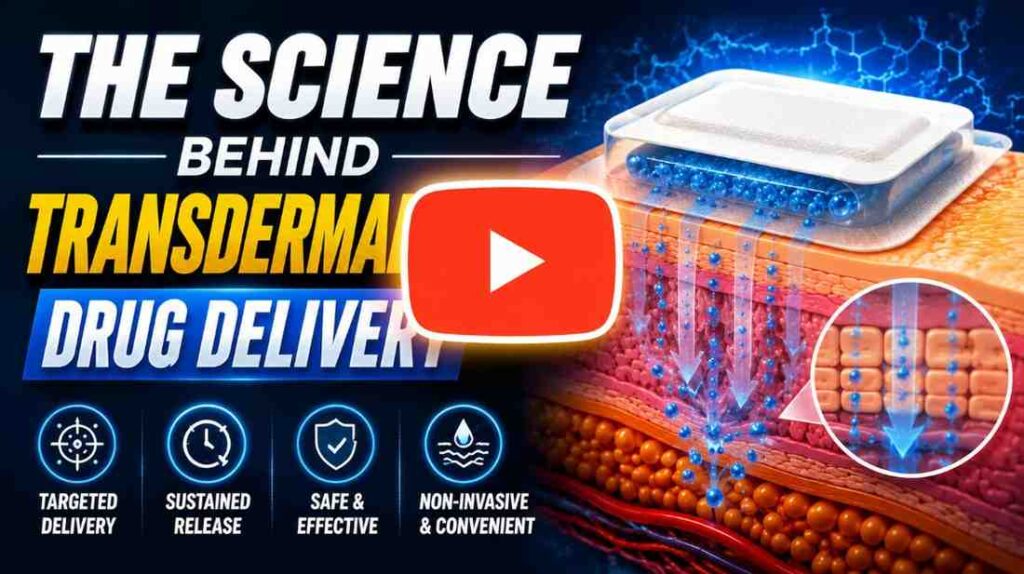
Transdermal delivery refers to the delivery of medication through the skin into the bloodstream.
This method works well for certain medications, including some hormones, pain treatments, and nicotine replacement products. However, it becomes much more complicated with peptide medications.
GLP-1 molecules are relatively large compared with traditional drug compounds. The outer layer of skin, known as the stratum corneum, creates a significant barrier.
Scientists have explored advanced technologies such as:
- Microneedle patches
- Chemical penetration enhancers
- Specialized delivery systems
- Nanotechnology-based approaches
These methods are still being researched and are not widely available as standard GLP-1 weight loss treatments.
GLP-1 Patches vs GLP-1 Injections
| Feature | GLP-1 Patches | Prescription GLP-1 Injections |
| Delivery Method | Skin patch | Injection |
| Clinical Evidence | Limited | Extensive research |
| FDA Approval | Generally not approved for GLP-1 treatment | Approved medications available |
| Active Medication Delivery | Uncertain | Established |
| Weight Loss Results | Not proven | Supported by clinical studies |
| Medical Supervision | Often unavailable | Healthcare provider monitored |
Prescription GLP-1 injections remain the most scientifically supported option for individuals who qualify for treatment.
Are GLP-1 Patches FDA Approved?
Currently, FDA-approved GLP-1 medications are available in specific prescription forms, primarily injections and certain oral formulations.
A patch claiming to deliver GLP-1 medication should be carefully evaluated because approval requires evidence demonstrating:
- Safety
- Effectiveness
- Accurate dosing
- Quality manufacturing standards
Many commercially available patches sold online are not approved as prescription GLP-1 therapies.
Consumers should be cautious of products that make strong weight-loss claims without clinical evidence.
Potential Benefits Claimed by GLP-1 Patch Companies
Companies selling GLP-1 patches often promote benefits such as:
- Appetite Support: Some products claim to help reduce hunger and support healthier eating habits.
- Weight Management Support: Patches are often promoted as tools for people seeking easier weight control.
- Convenience: A patch format may appeal to individuals looking for a simple daily routine.
- Needle-Free Experience: Avoiding injections is one of the most common reasons people consider patches.
However, these potential benefits depend on whether the patch contains effective ingredients at meaningful levels and whether those ingredients are clinically supported.
Possible Limitations and Concerns of GLP-1 Patches
Before choosing a GLP-1 patch, individuals should consider several important factors.
Lack of Strong Clinical Evidence
The biggest concern is the limited research proving that these patches provide the same effects as prescription GLP-1 medications.
Uncertain Dosage
Some patches may not clearly explain how much active ingredient reaches the bloodstream.
Marketing Claims
Weight loss products may sometimes make claims that exceed available scientific evidence.
Delayed Results
Even proven weight loss medications generally require consistent use, dietary changes, and lifestyle support.
Individual Differences
Weight loss results vary based on metabolism, health conditions, diet, activity levels, and adherence.
Are GLP-1 Patches Safe?
- Skin irritation
- Allergic reactions
- Unknown interactions with medications
- Lack of long-term safety data
Prescription GLP-1 medications also have potential side effects, including:
- Nausea
- Vomiting
- Diarrhea
- Constipation
- Reduced appetite
Individuals considering any weight loss product should speak with a qualified healthcare provider, especially if they have existing medical conditions or take prescription medications.
Better Alternatives to GLP-1 Patches
For individuals seeking evidence-based weight management options, several approaches have stronger scientific support.
Prescription GLP-1 Medications
FDA-approved GLP-1 treatments may be recommended for eligible individuals under medical supervision.
Balanced Nutrition
A nutrient-rich diet focused on protein, fiber, vegetables, whole foods, and appropriate calorie intake can support sustainable weight management.
Regular Physical Activity
Strength training, walking, cardiovascular exercise, and consistent movement help improve metabolism and overall health.
Sleep and Stress Management
Poor sleep and chronic stress can affect hunger hormones, cravings, and weight regulation.
Medical Weight Loss Programs
Structured programs combining healthcare guidance, nutrition support, and medication options may provide better long-term results.
Who Should Consider GLP-1 Treatment?
Prescription GLP-1 medications may be considered for adults who:
- Have obesity or overweight with related health concerns
- Need additional support beyond lifestyle changes
- Are medically appropriate candidates
- Can receive regular healthcare monitoring
A healthcare professional can determine whether GLP-1 therapy is suitable based on individual health history.
Conclusion
GLP-1 patches are an interesting concept that offers the appeal of a convenient, needle-free approach to weight management.
However, current scientific evidence does not confirm that commercially available GLP-1 patches are as effective as FDA-approved GLP-1 medications.
Prescription GLP-1 treatments remain the most researched option for supporting appetite control, blood sugar regulation, and weight loss when medically appropriate.
As future advancements in transdermal technology enhance GLP-1 delivery, consumers should carefully evaluate product claims and choose solutions backed by reliable research.
For individuals interested in GLP-1 therapy, consulting with a qualified healthcare provider is the best way to understand available options and develop a safe, personalized weight management plan.
References
.