Baking Soda for Swollen Prostate: What Science Says (2026)
Nuvectra Medical · Men’s Health Guide
Baking Soda for Swollen Prostate: What’s True, What’s Myth, and What Actually Helps
Wondering whether a spoonful of baking soda can calm a swollen prostate? Here is the honest answer, the risks nobody mentions, and the steps that genuinely make a difference.
The quick answer
There is no reliable scientific evidence that baking soda treats prostate swelling, prostatitis, or an enlarged prostate. It is a kitchen and antacid product, not a prostate medicine, and regular use can add risks of its own. If your prostate is swollen, the most useful step is a medical check-up to find the cause, because each cause has a different, effective treatment.
Few things are more worrying for a man than waking up at night again and again, feeling a burning sensation when he urinates, or noticing a dull ache deep in the pelvis. When those symptoms point to a swollen prostate, many men turn to the internet for a fast, cheap, kitchen-cabinet fix. One idea that keeps coming up is baking soda.

Search for “baking soda for swollen prostate,” and you will find claims that a spoonful of sodium bicarbonate in water can “shrink” the prostate, “neutralize acidity” around it, or “flush out inflammation.” It sounds simple and inexpensive, and it is a product almost everyone already owns.
At Nuvectra Medical, we believe you deserve a straight answer. This guide explains what a swollen prostate is, where the baking soda idea comes from, what the science does and does not show, the real risks, and, most importantly, what you can do right now to get real answers and real relief.
👉 DON’T TRY THIS “BAKING SODA FOR SWOLLEN PROSTATE” UNTIL YOU SEE THIS
Why Do People Search for This?
Health myths rarely appear from nowhere. They usually grow from a kernel of real experience. A few likely sources explain why this one spreads.
The antacid connection
Baking soda really does neutralize stomach acid, which is why it has been used for heartburn for generations. People stretch that real effect into the idea that it can “neutralize” trouble elsewhere in the body, including the prostate. Calming stomach acid is not the same as treating a gland that is nowhere near it.
The “alkaline body” trend
Alkaline water, alkaline diets, and pH test strips are heavily marketed. The pitch is that an “acidic” body breeds disease. Medical evidence does not support that idea, and the body regulates its own pH very tightly.
Short videos and forwarded messages love “one simple trick” claims. Baking soda has been credited with everything from whitening teeth to curing cancer. Prostate health is one more entry on a long list, and most of these claims have little or no research behind them.
Worry, embarrassment, and hope
Prostate symptoms are uncomfortable and sometimes awkward to talk about. A cheap, private home fix feels easier than a doctor’s appointment. That instinct is deeply human. It is also why accurate information matters so much.
What Does “Swollen Prostate” Actually Mean?
“Swollen prostate” is not a diagnosis. It is a description, and several different conditions can cause it. Treatment depends entirely on which one you have, which is one reason a one-size-fits-all home remedy is unlikely to help.
The prostate is a walnut-sized gland that sits just below the bladder and surrounds the urethra, the tube that carries urine out of the body. Its main job is to produce fluid that nourishes and carries sperm. Because it wraps around the urethra, even a small amount of swelling can change how you urinate.
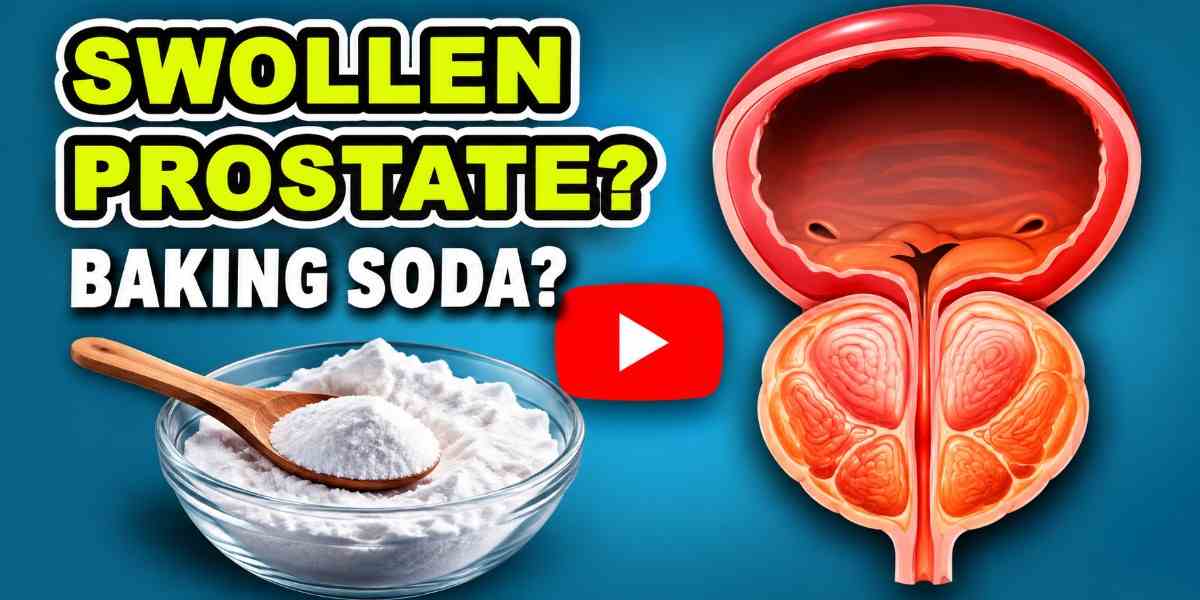
Prostatitis (inflammation of the prostate)
Prostatitis means the prostate is inflamed, and it can affect men of almost any adult age. Doctors generally describe four types:
Comes on suddenly, often with fever, chills, pain, and urinary symptoms. It needs prompt medical treatment.
A lingering or recurring infection that can be stubborn and may take weeks of treatment to clear.
The most common form. Ongoing pelvic discomfort and urinary symptoms, often with no infection found.
Signs of inflammation but no symptoms. Often found during tests for something else and usually needs no treatment.
Benign prostatic hyperplasia (BPH)
BPH is a non-cancerous enlargement of the prostate and is very common as men age. Rather than being inflamed by infection, the gland slowly grows, squeezing the urethra and making urination harder. When people say “enlarged prostate,” BPH is usually what they mean.
Other causes
Less commonly, prostate swelling or prostate-area symptoms can be linked to urinary tract infections, a blocked urinary tract, injury, or prostate cancer. This is why proper evaluation matters. Symptoms alone cannot tell the difference.
| Condition | Typical cause | Common treatment |
|---|---|---|
| Acute bacterial prostatitis | Bacterial infection | Antibiotics, pain relief, sometimes hospital care |
| Chronic bacterial prostatitis | Persistent or recurring infection | Longer antibiotic courses |
| Chronic pelvic pain syndrome | Not well understood; muscle, nerve, and stress factors | Alpha-blockers, pelvic floor therapy, stress management |
| BPH | Age-related growth of the gland | Lifestyle changes, medication, procedures when needed |
👉 DON’T TRY THIS “BAKING SODA FOR SWOLLEN PROSTATE” UNTIL YOU SEE THIS
Common Signs of a Swollen Prostate
Symptoms vary by cause, but men often report:
- A frequent urge to urinate, especially at night
- A weak or slow urine stream, or stopping and starting while urinating
- Difficulty beginning to urinate
- A feeling that the bladder is never fully empty
- Pain or burning when urinating
- Pain in the lower abdomen, groin, lower back, or the area between the scrotum and rectum
- Pain with ejaculation
- Cloudy urine or, in some cases, blood in the urine
- Flu-like symptoms such as fever and chills with bacterial infection
Several of these overlap with other urinary and bladder conditions, so guessing is risky.
Why the Baking Soda Logic Breaks Down
The claim usually follows three steps: baking soda makes things less acidic, acidity causes inflammation, therefore baking soda reduces inflammation in the prostate. Each step sounds reasonable, but the chain falls apart quickly.
The body’s pH is tightly controlled
Your blood pH is held in a very narrow range by your lungs and kidneys. You cannot meaningfully “alkalize” your body or a specific organ by swallowing baking soda. The main effect of taking a lot of sodium bicarbonate is not a healthier prostate but a mineral and fluid load your system has to manage.
Prostate inflammation is not an “acid problem”
Prostatitis is typically driven by bacterial infection, immune and nerve-related factors, or pelvic muscle tension. BPH is driven largely by hormonal changes and cell growth in the gland as men age. Neither is caused by “too much acid,” so neutralizing acid does not address the cause.
Urine pH is not prostate health
Baking soda can make urine more alkaline. That is a real, measurable effect, and it is sometimes used under medical supervision for specific kidney or urinary conditions. But changing urine pH does not shrink the prostate or reduce its inflammation, and an alkaline urine environment can actually favor the growth of certain bacteria.
What Does the Research Show?
Here is the honest summary: there are no good clinical trials showing that oral baking soda treats prostatitis or BPH. The treatments that have been studied and are recommended in medical guidance are different ones: antibiotics for bacterial infections, alpha-blockers that relax prostate and bladder muscle, and, for BPH, medicines that reduce prostate size or procedures that relieve blockage.
Where baking soda appears in online prostate content, it is almost always supported by testimonials, a misreading of how pH works, or marketing for supplements and “protocols.” Testimonials are not evidence. Symptoms from prostatitis often fluctuate on their own, and men may feel better and credit whatever they tried last.
Red flags in online prostate remedies
- It relies on testimonials instead of controlled studies of men with a confirmed diagnosis.
- It never says which condition is being treated: prostatitis, BPH, or something else.
- The author is selling a supplement, a program, or an e-book.
- It uses phrases like “doctors don’t want you to know” or promises a cure in days.
- It contradicts what major medical institutions say.
Baking Soda and the Prostate: Myth vs. Reality
| Claim | Reality check |
|---|---|
| “Baking soda neutralizes acid in the prostate and shrinks the swelling” | The prostate is not an acidic organ, and prostate swelling is not caused by acid. Swallowed baking soda does not act on it. |
| “An alkaline body cannot get prostate problems” | Blood pH is regulated by the lungs and kidneys. Diet and supplements do not change it in a way that protects or treats the prostate. |
| “It is natural, so it cannot hurt” | Sodium bicarbonate has real side effects when overused, including a high sodium load and alkalosis. |
| “One miracle supplement shrinks the prostate” | Be skeptical. Ask your doctor before starting any supplement, since it can interact with medicines. |
| “Nothing can be done” | Effective treatments exist for infection, inflammation, and BPH. |
👉 DON’T TRY THIS “BAKING SODA FOR SWOLLEN PROSTATE” UNTIL YOU SEE THIS
Risks of Using Baking Soda for Prostate Problems
Baking soda is safe in small amounts for occasional heartburn when used as directed on the label. That does not make it a harmless daily health tonic. Over-the-counter and kitchen-cabinet do not mean risk-free.
Too much sodium
Baking soda is high in sodium. Repeated use can raise your daily sodium intake significantly, which may worsen high blood pressure, contribute to fluid retention and swelling, and strain the heart and kidneys. Many men dealing with prostate issues are middle-aged or older, the same group at higher risk of hypertension and heart disease.
Metabolic alkalosis
Taking too much sodium bicarbonate can push the body’s chemistry too far toward alkaline. Warning signs can include nausea, vomiting, muscle twitching, confusion, and irregular heartbeat. In severe cases it needs emergency care.
Electrolyte imbalances
Heavy or prolonged use can disturb levels of potassium and other electrolytes, which matter for heart rhythm and muscle function.
Medication interactions
Sodium bicarbonate can change how the body absorbs or clears certain medicines. If you take prescription medications, including ones for blood pressure, heart conditions, or the prostate itself, check with a pharmacist or doctor before using baking soda regularly.
Stomach and digestive problems
Baking soda reacts with stomach acid and produces gas. Excessive amounts, especially on a very full stomach, can cause painful bloating and, rarely, serious injury.
Delaying real care
This may be the biggest hidden risk. A swollen prostate can signal an infection that needs antibiotics, urinary retention that can damage the bladder and kidneys, or occasionally cancer. Weeks spent on a home remedy are weeks without treatment, and chronic infection can be harder to clear later.
Do not do this
- Do not use baking soda in place of a diagnosis. Find out what is causing the swelling first.
- Do not use it regularly if you have high blood pressure, heart disease, or kidney problems without your doctor’s approval.
- Do not take it alongside prescription medicine without asking a pharmacist or doctor.
- Do not stop or skip prescribed antibiotics or prostate medication because a home remedy “seems to be working.”
- Do not ignore warning signs such as fever, inability to urinate, or blood in the urine.
What About Baking Soda in a Warm Bath?
You may have also seen suggestions to add baking soda to a bath. A warm sitz bath, which means sitting in a few inches of warm water so the pelvic area is submerged, is a commonly suggested comfort measure for prostatitis. The warmth can relax pelvic muscles and ease pain.
Here the warm water is doing the work. There is no good evidence that adding baking soda improves the effect on the prostate. If a warm bath helps you feel more comfortable, that is fine, and a little baking soda is unlikely to cause harm in a bath if your skin tolerates it, but it should not be treated as a treatment for the swelling itself.

Alkaline Water and Alkaline Diets: Do They Help?
Baking soda is often bundled with a wider “alkaline” trend: alkaline water, alkaline diets, and pH test strips. The pitch is that an acidic body breeds disease and an alkaline one prevents it.
The science does not support that idea for the prostate. Food can change the pH of your urine, but it does not change your blood pH in any meaningful way, and urine pH is not a measure of prostate health. That said, many “alkaline diet” meal plans are built around vegetables, fruit, and whole foods, which are good for your health generally. The benefit comes from eating better, not from the pH label.
What About Supplements and Herbal Products?
If baking soda does not work, are there other natural products that do? The answer is mostly “not convincingly.” Medical sources note that there is not enough proof that herbal treatments ease prostatitis symptoms. Saw palmetto, one of the most popular prostate supplements, has been studied for BPH, but larger, well-designed trials have generally not shown it to be better than a placebo.
Supplements are also not regulated like medicines, so strength and quality can vary, and some products can interact with prescription drugs. If you are considering one, discuss it with your doctor or pharmacist first, and do not use it to replace treatment you have been prescribed.
👉 DON’T TRY THIS “BAKING SODA FOR SWOLLEN PROSTATE” UNTIL YOU SEE THIS
What Actually Helps a Swollen Prostate?
The good news is that real, evidence-based options exist, and many men get meaningful relief. What works depends on the diagnosis.
Bacterial prostatitis
Antibiotics are the standard treatment, often for four to six weeks and sometimes longer for chronic or recurring cases. Finishing the whole course matters, because stopping early raises the risk of the infection returning in a harder-to-treat form. Pain relievers or anti-inflammatory medicine may be added, and severe infections sometimes need hospital care.
Chronic pelvic pain syndrome
Alpha-blockers relax the muscle at the bladder neck and prostate and often help symptoms. Pelvic floor physical therapy targets muscle tension, and counseling can help manage stress that feeds chronic pain. Some men find relief with acupuncture, which has shown some promise.
Benign prostatic hyperplasia
Options include lifestyle adjustments (less fluid and caffeine in the evening, less alcohol), alpha-blockers, 5-alpha reductase inhibitors that can gradually shrink the prostate, and minimally invasive procedures or surgery when medication is not enough.
Getting the right diagnosis first
A urologist or primary care doctor can examine you, test your urine, and, when needed, check blood work. The right treatment follows the right diagnosis, which is why a home remedy cannot substitute for the first step.
Supportive Habits You Can Start Today
These will not replace medical care, but they can make living with symptoms easier.
Stay hydrated, but time it well
Drink enough water through the day, then taper in the evening to cut down on nighttime trips.
Cut back on irritants
Caffeine, alcohol, and very spicy foods can aggravate urinary symptoms in some men.
Don’t hold urine for long periods
Empty your bladder when you feel the urge.
Take warm baths
A sitz bath can ease pelvic tension and pain.
Avoid prolonged pressure
Long periods of sitting or cycling on a hard seat can aggravate pelvic pain for some men. A cushion or regular breaks may help.
Stay active
Regular, gentle exercise supports overall urinary and pelvic health.
Manage stress
Stress can tighten pelvic muscles and amplify pain, so relaxation techniques, sleep, and movement matter.
Maintain a healthy weight
Excess weight is linked with worse urinary symptoms and prostate problems.
An Everyday Eating Pattern That Supports Urinary Health
No food shrinks a swollen prostate, but your overall eating pattern affects weight, blood pressure, and inflammation, all of which relate to how you feel. A sensible approach looks like this:
- Build meals around vegetables, fruit, legumes, and whole grains.
- Choose fish, poultry, and plant proteins more often than processed meats.
- Keep an eye on sodium, which is one more reason not to add baking soda on top of what you already eat.
- Notice whether specific drinks or foods worsen your symptoms, and note them for your doctor.
When Should You See a Doctor?
Book an appointment if you have any ongoing urinary symptoms, pelvic pain, or pain with urination or ejaculation. A urologist or primary care doctor can examine you, test your urine, and, when needed, check blood work and the prostate itself to find the cause.
Seek urgent medical care if you have:
- Fever and chills along with painful urination
- Inability to urinate or severe difficulty passing urine
- Blood in your urine or semen
- Severe pain in the pelvis, lower back, or groin
- Confusion, vomiting, or signs of infection spreading
How to Prepare for a Doctor Visit About Prostate Symptoms
A little preparation makes the appointment far more productive. Doctors often ask when symptoms began, how they have changed, and what you have done to cope. Bring answers.
What to bring
-
- A complete list of every medication, vitamin, supplement, and home remedy you use, including baking soda if you have tried it
- A short log of symptoms: how often you urinate, nighttime trips, pain, and any burning
- Notes on fluid intake, caffeine, alcohol, and anything that makes symptoms better or worse
- Any history of urinary infections or earlier prostate problems
Questions worth asking
-
- What is causing my symptoms, and what type of prostate problem do I have?
- What tests do I need?
- What treatment do you recommend, and are there other options?
- How long will treatment take, and how soon should I notice improvement?
- Are there side effects or interactions with my current medicines?
- Is anything I’m already trying at home, including baking soda or supplements, safe for me?
- What symptoms mean I should call you or go to urgent care?
Some men feel embarrassed and put the visit off. Prostate problems are common, doctors discuss them every day, and being open gives your provider the full picture, which leads to better answers.
Tips for Partners and Family Members
If you are reading this because someone you care about is dealing with prostate symptoms, a few suggestions can help:
- Start the conversation gently. “I have noticed you are up a lot at night and I would like us to get it checked” lands better than a lecture.
- Encourage an appointment. Offer to help find a doctor or go along if he would like company.
- Watch for red flags. Fever, inability to urinate, or severe pain need urgent care.
- Don’t assume the worst. Many prostate conditions are common and treatable.
Frequently Asked Questions
Can baking soda shrink an enlarged prostate?
There is no scientific evidence that it can. BPH is driven largely by hormonal and cell-growth changes with age. Baking soda does not act on those processes.
Is it safe to drink baking soda every day for prostate health?
Daily use is not recommended without medical guidance. The sodium content and risk of metabolic alkalosis make it a poor choice, especially for men with high blood pressure, heart disease, or kidney problems.
Does an alkaline diet help prostate inflammation?
Claims about “alkaline diets” curing inflammation are not well supported. Eating more vegetables and whole foods is healthy for many reasons, but it is not a proven treatment for prostatitis or BPH.
Can I use baking soda alongside my prostate medication?
Talk to your doctor or pharmacist first. Sodium bicarbonate can interact with some medicines, and you should not stop or replace prescribed treatment on your own.
How long does prostatitis last?
It varies. Some cases improve quickly with treatment, while others last for months or recur. Chronic forms often need a combination of approaches and some patience.
Can a swollen prostate go away on its own?
Mild cases of some types of prostatitis can improve without treatment, but you should not assume that. Because a swollen prostate can be caused by infection or other conditions that need care, it is best to have it checked.
Are there any safe uses of baking soda for urinary problems?
In specific medical situations, doctors do prescribe sodium bicarbonate, for example to adjust urine pH for certain kidney conditions. That is supervised, individually dosed treatment, which is very different from self-treating a swollen prostate with kitchen baking soda.
The Bottom Line
So, does baking soda work for a swollen prostate? The honest answer is that there is no evidence it does. The appeal is easy to understand: it is cheap, familiar, and promises a simple answer to an uncomfortable problem. But using it in place of proper care can cost you time, money, and in some cases your health.
A swollen prostate has real, identifiable causes, and real, effective treatments exist for them. Antibiotics, alpha-blockers, pelvic floor therapy, lifestyle changes, and other medical options help many men get their symptoms under control. The first step is finding out exactly what is going on, and that takes a conversation with a healthcare professional.
If you have been tempted by baking soda or any other home remedy, take that curiosity to your appointment. At Nuvectra Medical, our goal is to give you reliable information so you can take the next step with confidence.
👉 DON’T TRY THIS “BAKING SODA FOR SWOLLEN PROSTATE” UNTIL YOU SEE THIS
Worried about prostate symptoms?
Talk to a qualified healthcare provider. The sooner you ask, the more options you have.
References
- “Prostatitis.” https://en.wikipedia.org/wiki/Prostatitis
- “Prostatitis: Symptoms and causes.” https://www.mayoclinic.org/diseases-conditions/prostatitis/symptoms-causes/syc-20355771
- “Prostatitis: Inflammation of the Prostate.” https://www.niddk.nih.gov/health-information/urologic-diseases/prostate-problems/prostatitis-inflammation-prostate
- “Prostatitis – bacterial.” U.S. National Library of Medicine. https://medlineplus.gov/ency/article/000519.htm
- “Acute Bacterial Prostatitis.” StatPearls. https://www.ncbi.nlm.nih.gov/books/NBK459257/
- “Chronic Prostatitis and Chronic Pelvic Pain Syndrome in Men.” https://www.ncbi.nlm.nih.gov/books/NBK599550/
- “Sodium Bicarbonate (Baking Soda): Uses, Side Effects, Interactions.” https://www.webmd.com/drugs/2/drug-11325-4123/sodium-bicarbonate/details
- “Baking Soda for Weight Loss: Does It Work?” (sodium content, medication interactions, and risks of ingesting baking soda). https://www.healthline.com/nutrition/drinking-baking-soda-for-weight-loss