
Does United Healthcare Cover GLP-1? Coverage and Options

GLP-1 medications have become some of the most sought-after prescription treatments for both type 2 diabetes and medical weight loss.
Drugs such as Ozempic®, Wegovy®, Mounjaro®, Zepbound®, Rybelsus®, and Trulicity® have helped millions of people improve blood sugar control, lose significant weight, and lower their risk of obesity-related health conditions.
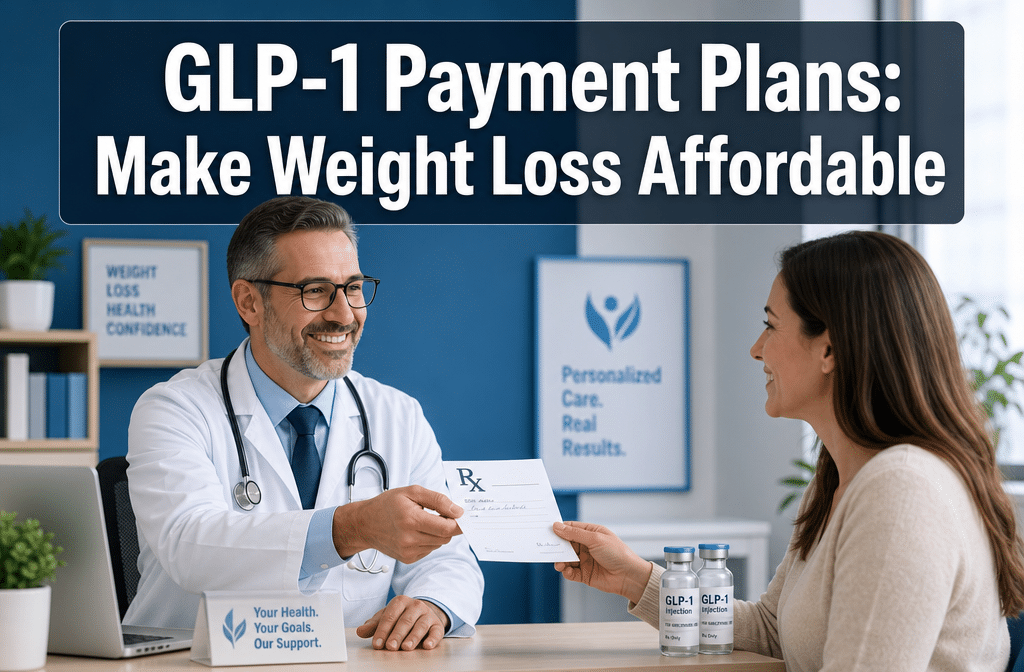
However, these medications are expensive. Without insurance, monthly costs often exceed $900 to $1,500, making insurance coverage one of the biggest concerns for patients.
If you’re asking, “Does United Healthcare cover GLP-1?”, the answer is:
Yes—but coverage depends entirely on your specific UnitedHealthcare plan, the reason the medication is prescribed, and whether prior authorization requirements are met.
Coverage for diabetes medications is generally much easier than coverage for GLP-1 drugs prescribed solely for weight loss.
Many employer-sponsored plans exclude obesity medications altogether unless the employer has specifically added that benefit.
This guide explains everything you need to know about UnitedHealthcare GLP-1 coverage, eligibility requirements, prior authorization, costs, denied claims, and how to maximize your chances of approval.
Yes, UnitedHealthcare covers many GLP-1 medications, but coverage varies by plan.
Generally:
| Prescription Purpose | Coverage Likelihood |
|---|---|
| Type 2 Diabetes | Usually Covered |
| Obesity/Weight Loss | Depends on Plan |
| Prediabetes Alone | Usually Not Covered |
| Cosmetic Weight Loss | Rarely Covered |
Most covered prescriptions require:
- Prior authorization
- Medical necessity
- Provider documentation
- Meeting BMI or diabetes criteria
- Continued follow-up care
What Are GLP-1 Medications?
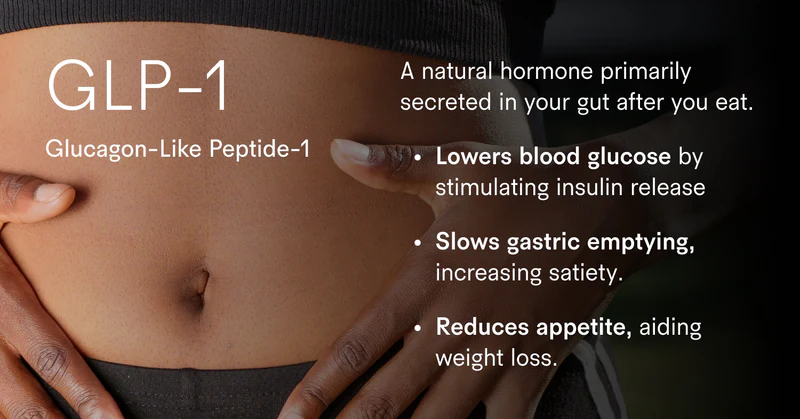
GLP-1 receptor agonists mimic the natural hormone glucagon-like peptide-1, which helps regulate appetite, blood sugar, and digestion.
These medications work by:
- Increasing insulin release
- Lowering blood sugar
- Slowing stomach emptying
- Reducing hunger
- Increasing fullness
- Supporting long-term weight loss
Many newer medications also target additional hormones that may produce greater weight loss.
Common GLP-1 Medications UnitedHealthcare May Cover
Coverage varies depending on the medical diagnosis.
Common medications include:
| Medication | Primary Use |
|---|---|
| Ozempic | Type 2 Diabetes |
| Wegovy | Obesity |
| Mounjaro | Type 2 Diabetes |
| Zepbound | Obesity |
| Rybelsus | Type 2 Diabetes |
| Trulicity | Type 2 Diabetes |
| Byetta | Diabetes |
| Bydureon BCise | Diabetes |
| Victoza (certain plans) | Diabetes |
Some medications have FDA approval for multiple medical conditions, while others are approved specifically for diabetes or chronic weight management. Coverage follows the approved indication and your plan’s pharmacy benefits.
Does UnitedHealthcare Cover GLP-1 for Diabetes?
In most cases, yes.
Patients diagnosed with Type 2 diabetes generally have the highest chance of approval.
Most commercial UnitedHealthcare plans cover diabetes GLP-1 medications when your healthcare provider demonstrates medical necessity and submits the required prior authorization.
Your provider may need to document:
- Confirmed Type 2 diabetes
- A1C levels
- Previous medications tried
- Current diabetes treatment
- Medical history
- Need for GLP-1 therapy
Many plans also encourage lifestyle modifications alongside medication.
Does UnitedHealthcare Cover GLP-1 for Weight Loss?
This is where things become more complicated.
Unlike diabetes medications, weight-loss GLP-1 coverage is not automatically included in every UnitedHealthcare plan.
Instead, many employer-sponsored insurance plans choose whether to include obesity medication benefits.
That means:
Two people with UnitedHealthcare may have completely different coverage depending on their employer or plan sponsor.
Some plans cover:
- Wegovy
- Zepbound
- Saxenda
Others exclude obesity medications entirely.
Why Coverage Differs Between Plans
UnitedHealthcare offers numerous insurance products, including:
- Employer-sponsored plans
- Individual marketplace plans
- Medicare Advantage
- Medicaid plans
- State-specific plans
- Federal employee plans
Each plan has different pharmacy benefits.
Factors affecting coverage include:
- Employer benefit choices
- Pharmacy formulary
- State regulations
- Federal rules
- Medical necessity
- Prior authorization criteria
What Is Prior Authorization?
Prior authorization means your insurance company reviews your prescription before agreeing to pay for it.
This process helps determine whether the medication meets clinical guidelines.
Typically, your doctor submits:
- Medical diagnosis
- Current BMI
- Health history
- Previous treatments
- Laboratory results
- Progress notes
- Justification for GLP-1 therapy
Only after approval does insurance begin covering the medication.
Common Eligibility Requirements
Although every plan differs, approval often depends on meeting criteria such as:
For Diabetes
- Diagnosed Type 2 diabetes
- Elevated A1C
- Need for additional glucose control
- Previous diabetes medications
- Ongoing physician supervision
For Obesity
Many plans require:
- BMI of 30 or higher
or
- BMI of 27 or higher with obesity-related conditions
These conditions may include:
- Hypertension
- Sleep apnea
- Cardiovascular disease
- High cholesterol
- Prediabetes (depending on plan)
- Other obesity-related medical problems
Lifestyle counseling is commonly required alongside medication.
Which GLP-1 Drugs Are Most Commonly Covered?
Coverage changes regularly, but diabetes medications are generally more likely to be included than obesity medications.
| Medication | Diabetes | Weight Loss |
|---|---|---|
| Ozempic | Usually Yes | No |
| Mounjaro | Usually Yes | No |
| Rybelsus | Usually Yes | No |
| Trulicity | Usually Yes | No |
| Wegovy | No | Sometimes |
| Zepbound | No | Sometimes |
Always verify your specific formulary before starting treatment.
How Much Does GLP-1 Cost with UnitedHealthcare?
Costs vary widely depending on:
- Plan design
- Deductible
- Copay tier
- Coinsurance
- Annual out-of-pocket maximum
- Preferred pharmacy
Possible expenses include:
| Coverage Status | Estimated Monthly Cost |
|---|---|
| Fully Covered | Low copay |
| Preferred Tier | Moderate copay |
| Coinsurance | Percentage of drug cost |
| No Coverage | Full retail price |
Without insurance, GLP-1 medications often cost more than $1,000 per month.
How to Check If Your Plan Covers GLP-1?
The easiest ways include:
1. Review Your Drug Formulary
Your plan’s formulary lists covered medications.
2. Contact Member Services
Ask whether your medication requires:
- Prior authorization
- Quantity limits
- Step therapy
3. Ask Your Pharmacy
Many pharmacies can verify benefits electronically.
4. Ask Your Doctor
Healthcare providers submit benefit investigations daily and can often estimate coverage before prescribing.
What Is Step Therapy?
Some insurance plans require trying less expensive medications before approving GLP-1 drugs.
For diabetes, this could mean trying:
- Metformin
- Sulfonylureas
- Other oral diabetes medications
If those medications are ineffective or inappropriate, GLP-1 therapy may be approved.
Why Claims Get Denied
Common reasons include:
- Missing prior authorization
- Insufficient documentation
- Medication not on formulary
- Obesity drugs excluded from the plan
- Failure to meet BMI requirements
- Missing diabetes diagnosis
- Incomplete medical records
- Step therapy not completed
A denial does not always mean permanent rejection.
Can You Appeal a Denied Claim?
Yes.
Patients have the right to appeal many insurance decisions.
The appeal process usually involves:
- Reviewing the denial reason.
- Gathering additional medical documentation.
- Having your healthcare provider submit supporting evidence.
- Requesting reconsideration within the plan’s appeal timeframe.
Many denials are overturned after additional clinical information is provided.
Does UnitedHealthcare Cover Ozempic?
Usually for:
- Type 2 diabetes
Generally not for:
- Weight loss alone
Coverage usually requires prior authorization and compliance with plan requirements.
Does UnitedHealthcare Cover Wegovy?
Sometimes.
Coverage depends largely on whether your specific plan includes obesity medication benefits. Even when covered, prior authorization and BMI criteria are common.
Does UnitedHealthcare Cover Zepbound?
Some plans do.
Approval generally depends on:
- Employer benefit selection
- Medical necessity
- Obesity diagnosis
- Prior authorization
- Clinical eligibility
Does Medicare UnitedHealthcare Cover GLP-1?
UnitedHealthcare Medicare Advantage members follow Medicare coverage rules plus plan-specific benefits.
Coverage for GLP-1 medications has evolved, particularly for certain qualifying conditions, and Medicare has introduced a temporary GLP-1 Bridge program for eligible beneficiaries beginning in 2026. Eligibility depends on meeting program and plan requirements.
Lifestyle Changes Still Matter
Even if your medication is approved, healthcare providers generally recommend combining it with:
- Healthy eating
- Portion control
- Protein-rich meals
- Resistance exercise
- Regular walking
- Sleep optimization
- Stress management
- Routine medical follow-up
Medication works best as part of a comprehensive treatment plan.
Tips to Improve Approval Chances
You can increase your chances of insurance approval by:
- Working with an experienced healthcare provider
- Completing required laboratory testing
- Maintaining accurate medical records
- Following prior authorization instructions
- Meeting follow-up appointment requirements
- Documenting previous treatments
- Participating in recommended lifestyle programs
What If UnitedHealthcare Doesn’t Cover Your GLP-1?
If your plan excludes coverage, discuss alternatives with your healthcare provider, such as:
- Appealing the decision if appropriate.
- Switching to another covered medication.
- Exploring manufacturer savings programs (if eligible).
- Reviewing alternative insurance options during open enrollment.
- Considering other evidence-based weight management strategies.
The best option depends on your diagnosis, insurance plan, and medical history.
Conclusion
If you’re wondering “Does United Healthcare Cover GLP-1?”, the answer is yes—but coverage is highly dependent on your individual insurance plan, medical diagnosis, and clinical eligibility.
Patients using GLP-1 medications for Type 2 diabetes generally have a greater chance of receiving coverage, while those seeking treatment for weight management may find that benefits depend on whether their employer or plan includes obesity medication coverage.
Prior authorization, medical necessity, and ongoing follow-up are common requirements.
Before beginning treatment, review your pharmacy formulary, speak with your healthcare provider, and contact UnitedHealthcare to confirm your specific benefits.
Taking these steps can help you better understand your expected costs and improve the likelihood of obtaining coverage for medically appropriate GLP-1 therapy.
Reference
GLP-1 Receptor Agonist
https://en.wikipedia.org/wiki/GLP-1_receptor_agonist
Uses, Benefits, Side Effects, and More
https://www.healthline.com/health/glp-1-agonists
GLP-1 Receptor Agonists Research Database
https://www.ncbi.nlm.nih.gov/books/