
Supplements to Take with GLP-1: What You Need to Know

GLP-1 medications have transformed the way obesity and type 2 diabetes are managed. Prescription medications such as Ozempic® (semaglutide), Wegovy®, Mounjaro® (tirzepatide), Zepbound®, and Rybelsus® help reduce appetite, improve blood sugar control, and promote significant weight loss.
While these medications can be highly effective, they also reduce calorie intake, which may make it harder to consume enough essential nutrients.
💊 Best Supplements to Take with GLP-1 Medications | Boost Your Wellness Journey
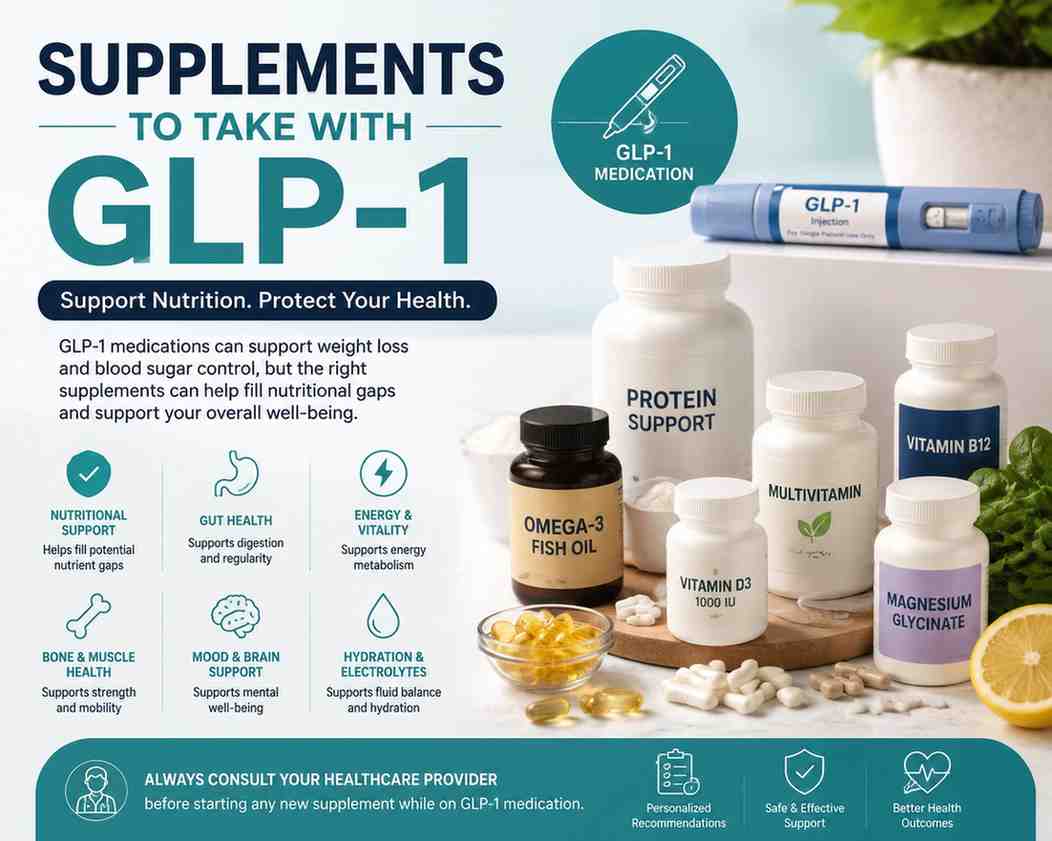
Many people taking GLP-1 medications wonder whether they should add vitamins, minerals, or other supplements to support their health.
The answer depends on your diet, medical history, and nutritional status. Supplements are not a replacement for a healthy diet, but they can help fill nutritional gaps and support muscle health, hydration, digestion, and overall wellness during weight loss.
Discover the best supplements to take with GLP-1 medications, including vitamins, minerals, and nutrients that may support overall wellness and nutrition.
Choosing the right supplements can help you stay energized, protect lean muscle, and maintain balanced nutrition throughout your GLP-1 journey.
What Are GLP-1 Medications?
GLP-1 stands for Glucagon-Like Peptide-1, a hormone naturally produced in the intestines after eating.
This hormone helps regulate blood sugar and appetite by slowing stomach emptying, stimulating insulin release, and signaling fullness to the brain.
GLP-1 receptor agonists mimic this natural hormone, helping individuals eat less while improving blood glucose control.
They are commonly prescribed for obesity and type 2 diabetes and have become an important part of modern weight-management strategies.
Some of the most commonly prescribed GLP-1 medications include:
- Ozempic® (Semaglutide)
- Wegovy® (Semaglutide)
- Mounjaro® (Tirzepatide)
- Zepbound® (Tirzepatide)
- Rybelsus®
- Saxenda®
Because these medications reduce appetite, many people naturally consume fewer calories, making it even more important to prioritize nutrient-rich foods and, when appropriate, carefully selected supplements.
Why Supplements Matter While Taking GLP-1
Eating less can lead to lower intake of protein, vitamins, and minerals. Over time, this may contribute to nutrient deficiencies or loss of lean muscle if dietary intake is not carefully planned.
Common nutritional concerns during GLP-1 treatment include:
- Reduced protein intake
- Vitamin deficiencies
- Mineral deficiencies
- Muscle loss
- Fatigue
- Hair thinning
- Constipation
- Dehydration
- Reduced exercise performance
Supplements help bridge nutritional gaps, but they work best alongside a balanced diet and regular physical activity.
🔥 GLP-1 Users: These Supplements May Support Your Results! 💪💊
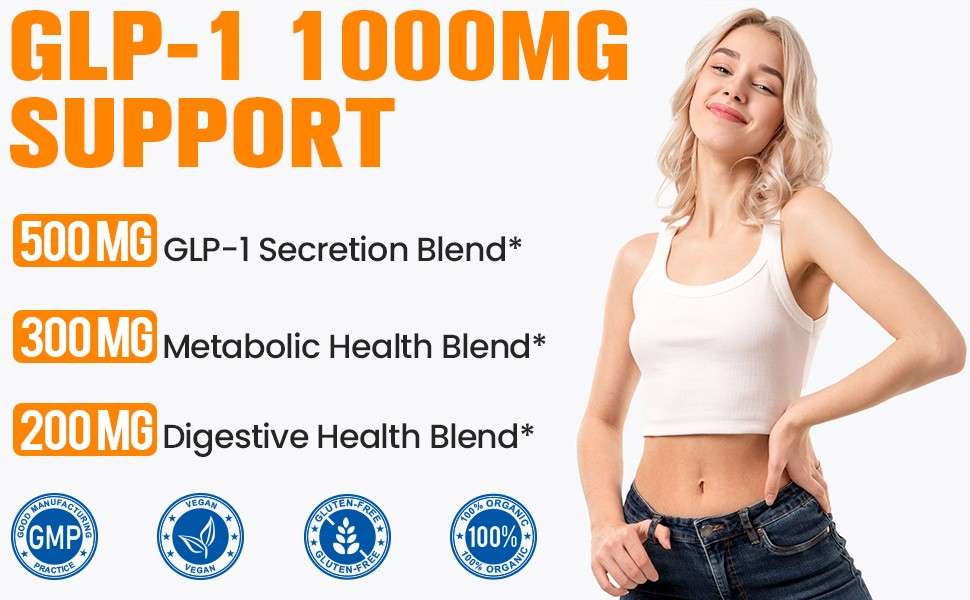
Best Supplements to Take with GLP-1
1. Protein Powder
Protein is widely considered the most important nutritional priority for people using GLP-1 medications.
When calorie intake decreases, the body may lose both fat and muscle. Maintaining adequate protein intake helps preserve lean muscle mass, supports metabolism, and promotes recovery after exercise.
Benefits
- Helps maintain muscle mass
- Supports healthy metabolism
- Promotes satiety
- Aids exercise recovery
- Supports immune function
- Helps reduce muscle weakness during weight loss
Best Types
- Whey protein isolate
- Whey protein concentrate
- Casein protein
- Pea protein
- Soy protein
- Mixed plant-based proteins
Protein shakes can be especially helpful when appetite is low or meals are skipped.
2. Fiber Supplements
Constipation is one of the most common side effects reported by GLP-1 users because these medications slow stomach emptying.
Fiber supplements can improve bowel regularity and support digestive health.
Benefits
- Reduces constipation
- Supports healthy gut bacteria
- Helps regulate cholesterol
- Improves digestion
- Promotes fullness
Popular Fiber Supplements
| Fiber Type | Primary Benefit |
|---|---|
| Psyllium Husk | Improves bowel movements |
| Inulin | Supports gut microbiome |
| Acacia Fiber | Gentle digestion |
| Methylcellulose | Less gas formation |
| PHGG | Easy to digest |
Always increase fiber gradually and drink enough water throughout the day.
3. Electrolytes
Reduced appetite sometimes leads to inadequate fluid intake. In addition, nausea or vomiting can contribute to dehydration.
Electrolytes help maintain proper fluid balance.
Important electrolytes include:
- Sodium
- Potassium
- Magnesium
- Calcium
Benefits
- Improves hydration
- Supports muscle contractions
- Reduces dizziness
- Maintains nerve function
- Helps prevent fatigue
Choose low-sugar electrolyte formulas unless advised otherwise by your healthcare provider.
4. Magnesium
Magnesium plays a role in hundreds of enzymatic reactions throughout the body.
Many adults already consume less magnesium than recommended, making supplementation helpful for some individuals.
Benefits
- Supports muscle function
- Improves sleep quality
- Helps reduce constipation
- Supports nerve health
- Promotes energy production
Best Forms
- Magnesium Glycinate
- Magnesium Citrate
- Magnesium Malate
5. Vitamin D
Vitamin D deficiency is common worldwide.
Because GLP-1 users often eat less dairy and may spend limited time outdoors, maintaining healthy vitamin D levels is important.
Benefits
- Supports immune health
- Helps maintain strong bones
- Improves calcium absorption
- Supports muscle function
- May contribute to overall well-being
6. Calcium
Weight loss may increase concerns about bone health, particularly in older adults.
Calcium works together with vitamin D to maintain healthy bones and teeth.
Benefits
- Supports bone density
- Maintains muscle contractions
- Helps nerve signaling
- Supports heart function
Good dietary sources include dairy products, fortified beverages, tofu, leafy greens, and canned salmon with bones.
7. Omega-3 Fish Oil
Omega-3 fatty acids support cardiovascular health and help maintain normal inflammatory balance.
Benefits
- Supports heart health
- Promotes brain function
- Supports eye health
- May reduce joint discomfort
- Helps maintain healthy triglyceride levels
Sources include fish oil, krill oil, and algae-based omega-3 supplements.
8. Multivitamin
Eating smaller meals can reduce overall vitamin and mineral intake.
A quality multivitamin provides nutritional insurance by supplying essential micronutrients.
Common Nutrients Included
- Vitamin A
- Vitamin C
- Vitamin D
- Vitamin E
- Vitamin K
- B-complex vitamins
- Zinc
- Selenium
- Copper
- Chromium
A multivitamin should complement—not replace—a healthy diet.
💪 Maximize Your GLP-1 Journey: Supplements for Energy & Nutrition ⚡
9. Vitamin B12
Vitamin B12 supports the nervous system and red blood cell production.
Individuals taking metformin or consuming little animal protein may have a higher risk of deficiency.
Benefits
- Supports nerve function
- Promotes healthy red blood cells
- Helps maintain energy metabolism
- Supports brain health
10. Iron
Iron supplementation should only be considered when laboratory testing confirms deficiency or when recommended by a healthcare provider.
Benefits
- Supports oxygen transport
- Helps reduce fatigue caused by iron deficiency
- Promotes healthy red blood cell production
Excess iron can be harmful, so avoid self-prescribing high-dose supplements.
11. Zinc
Zinc is involved in immune function, wound healing, and protein synthesis.
Benefits
- Supports immune health
- Promotes healthy skin
- Supports wound healing
- Helps maintain taste and smell
- Supports normal metabolism
Lean meats, shellfish, legumes, nuts, and seeds are excellent dietary sources.
12. Probiotics
Changes in digestion may occur while taking GLP-1 medications.
Some people find probiotics helpful for improving digestive comfort.
Benefits
- Supports gut microbiome
- May reduce bloating
- Promotes regular bowel movements
- Supports digestive health
Different probiotic strains provide different benefits, so product selection matters.
13. Creatine
Creatine is popular among individuals performing resistance training.
Although not directly related to weight loss, it may help preserve lean muscle during calorie restriction.
Benefits
- Supports muscle strength
- Helps maintain lean body mass
- Improves exercise performance
- Enhances recovery
13. Collagen Peptides
Collagen provides structural support for skin, joints, and connective tissues.
While collagen is not a complete protein, it can complement a high-protein diet.
Benefits
- Supports skin elasticity
- Promotes joint health
- Supports connective tissue
- May improve nail strength
15. Biotin
Rapid weight loss may sometimes be associated with temporary hair thinning, often due to reduced calorie or protein intake rather than a biotin deficiency.
Biotin supplements may be appropriate if a deficiency exists, but ensuring adequate protein and overall nutrition is usually more important.
Benefits
- Supports healthy hair
- Promotes nail strength
- Supports normal metabolism
Sample Daily Supplement Routine
| Time | Supplement |
|---|---|
| Morning | Multivitamin + Vitamin D |
| Breakfast | Protein Shake |
| Mid-Morning | Electrolytes (if needed) |
| Lunch | Omega-3 |
| Afternoon | Fiber Supplement |
| Evening | Magnesium |
| Night | Protein Snack (if needed) |
Foods to Prioritize with GLP-1
Supplements work best when paired with nutrient-dense foods.
Focus on:
Protein
- Chicken
- Turkey
- Fish
- Eggs
- Greek yogurt
- Cottage cheese
- Tofu
- Lentils
Healthy Fats
- Olive oil
- Avocados
- Almonds
- Walnuts
- Chia seeds
- Flaxseeds
Fiber
- Vegetables
- Fruits
- Whole grains
- Beans
- Oats
- Berries
Hydration
- Water
- Herbal tea
- Sugar-free electrolyte beverages
Foods to Limit
Certain foods may worsen gastrointestinal side effects.
Limit:
- Fried foods
- High-fat meals
- Sugary desserts
- Soda
- Alcohol
- Highly processed snacks
- Large meals
Eating smaller, more frequent meals may improve comfort.
GLP-1 Success Tips: The Best Supplements for Your Wellness Goals 💊🔥
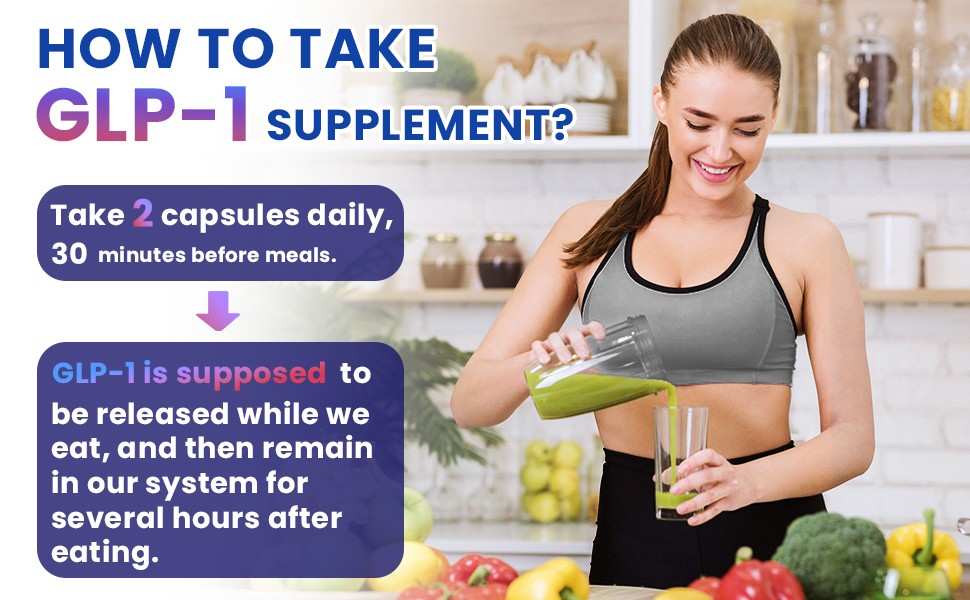
Lifestyle Tips While Taking GLP-1
Healthy habits maximize the benefits of medication and supplements.
- Eat protein first at each meal.
- Drink plenty of water.
- Include resistance training at least two to three times per week.
- Walk regularly.
- Sleep seven to nine hours each night.
- Avoid skipping meals entirely.
- Monitor your progress with your healthcare provider.
Strength training combined with adequate protein intake is one of the best strategies for preserving muscle during weight loss.
Supplements to Avoid Without Medical Advice
Not every supplement is appropriate for everyone.
Consult your healthcare provider before taking:
- High-dose iron
- High-dose vitamin A
- Weight-loss stimulants
- Multiple overlapping supplements
- Herbal blood sugar-lowering products
- Appetite suppressants
Some supplements may interact with medications or increase the risk of side effects.
Common Mistakes People Make
- Relying on supplements instead of healthy meals
- Ignoring protein intake
- Drinking too little water
- Skipping strength training
- Taking unnecessary supplements
- Using unverified weight-loss products
- Not discussing supplements with a healthcare professional
Conclusion
GLP-1 medications have revolutionized weight management, helping millions of people achieve healthier body weights and improved metabolic health.
However, because these medications naturally reduce appetite, it becomes increasingly important to focus on nutritional quality rather than simply eating less.
For many individuals, prioritizing protein, fiber, hydration, electrolytes, vitamin D, magnesium, omega-3 fatty acids, and a balanced multivitamin can help support muscle preservation, digestive health, energy levels, and overall wellness during treatment.
Not everyone needs every supplement, and the best approach is based on your diet, laboratory results, and individual health needs.
Remember that supplements are designed to complement a nutrient-rich eating pattern—not replace it.
Pairing your GLP-1 medication with balanced meals, regular resistance exercise, adequate sleep, and guidance from your healthcare provider offers the greatest opportunity for safe, sustainable, and long-term success.
References
GLP-1 Receptor Agonists and Nutrition Research: https://pubmed.ncbi.nlm.nih.gov/?term=GLP-1+receptor+agonist+nutrition
Vitamins, Supplements, and Nutrition Guidance: https://www.mayoclinic.org/healthy-lifestyle/consumer-health/in-depth/vitamins-and-supplements
Essential Nutrients to Prioritize During GLP-1 Therapy: https://www.healthline.com/health/drugs/supplements-while-taking-glp-1
GLP-1 Medications and Weight Loss Information: https://www.webmd.com/diabetes/what-are-glp-1-receptor-agonists
Glucagon-like Peptide-1 Receptor Agonist: https://en.wikipedia.org/wiki/Glucagon-like_peptide-1_receptor_agonist