
Prostate Artery Embolization: What Men Need to Know

Contents
- 1 Understanding the Prostate and BPH
- 2 Common Symptoms of BPH
- 3 What Is Prostate Artery Embolization (PAE)?
- 4 Why PAE Is Gaining Attention in Men’s Health
- 5 Who is a Good Candidate for PAE?
- 6 Benefits of Prostate Artery Embolization
- 7 What to Expect During the PAE Procedure
- 8 Recovery and Results: What Men Report
- 9 Potential Risks and Side Effects
- 10 PAE vs. Traditional Surgery: How Do They Compare?
- 11 Is PAE Right for Every Man?
- 12 Conclusion: Empowering Informed Decisions
- 13 Reference Links
When it comes to prostate health, many men aren’t sure where to begin until symptoms become difficult to ignore.
One common condition that millions of men around the world experience as they age is Benign Prostatic Hyperplasia (BPH) or prostate enlargement, which can lead to bothersome urinary issues and a decline in quality of life.
Until recently, most treatment options for BPH were limited to medications or surgical procedures that could carry significant side effects.
However, a newer, minimally invasive alternative called Prostate Artery Embolization (PAE) has emerged as a promising option for many men seeking effective relief without invasive surgery.
In this comprehensive blog post, we’ll walk you through everything a man should know about PAE, and how it compares with more traditional treatments.
By the end of this article, you’ll be empowered with information, whether you’re considering PAE for yourself or researching options for a loved one.


Understanding the Prostate and BPH
Before we dive into PAE, it’s important to understand the core issue it treats: Benign Prostatic Hyperplasia.
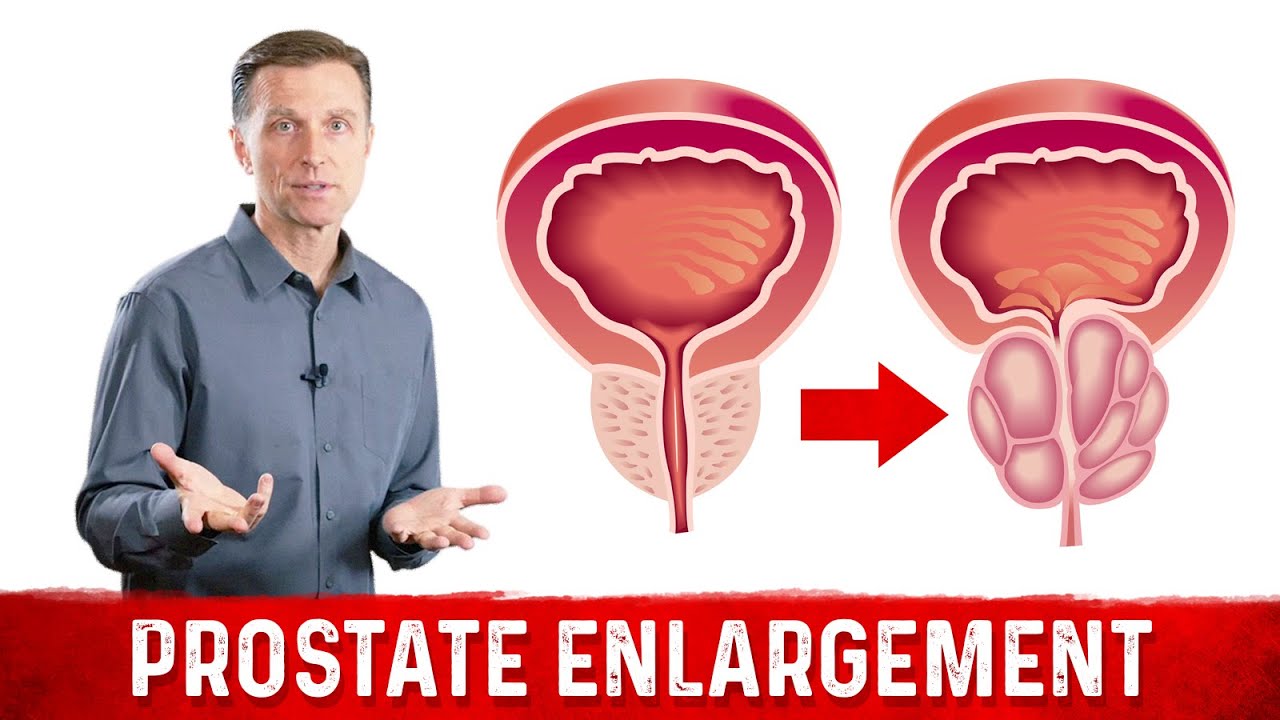
The prostate gland is a small, walnut-sized organ located below the bladder and in front of the rectum. Its main role is to help produce seminal fluid. As men age, especially past age 40, the prostate often begins to enlarge naturally.
For many men, this enlargement is harmless. But in others, the growing prostate presses on the urethra (the tube that carries urine from the bladder), disrupting normal urine flow and leading to urinary symptoms commonly associated with BPH.
Common Symptoms of BPH
Men with an enlarged prostate may experience:
- Frequent urination, particularly at night
- Weak or interrupted urine stream
- Urgency or inability to delay urination
- Sensation of incomplete bladder emptying
- Pain or discomfort during urination
These symptoms can range from mildly annoying to life-affecting, disrupting sleep, daily activities, and overall well-being. In some cases, untreated BPH can even lead to more serious issues such as bladder damage, infections, or kidney problems.
What Is Prostate Artery Embolization (PAE)?
Prostate Artery Embolization (PAE) is a minimally invasive procedure performed by an interventional radiologist a doctor who specializes in image-guided treatments without traditional surgery.
Instead of cutting tissue or removing prostate tissue directly, PAE works by blocking the blood supply to the prostate, causing it to shrink and thereby relieving pressure on the urethra.
Here’s a step-by-step look at how the procedure works:
- A small catheter (a thin, flexible tube) is inserted through an artery in the wrist or groin.
- Using imaging technology like X-ray guidance, the doctor navigates the catheter to the arteries that supply blood to the prostate.
- Once positioned, microscopic particles (embolics) are injected through the catheter to block the blood flow in selected prostate arteries.
- Over time, the reduced blood flow leads to shrinkage of prostate tissue, easing urinary symptoms.
Unlike traditional surgery, PAE doesn’t involve incisions in the prostate or removal of prostate tissue. And most importantly, it can be done under local anesthesia with sedation, meaning no general anesthesia is usually needed a major benefit for many men.
Why PAE Is Gaining Attention in Men’s Health
PAE is increasingly discussed in urology and interventional radiology as an effective alternative to traditional surgical treatments such as:
- Transurethral Resection of the Prostate (TURP)
- Laser prostatectomy
- Open prostate surgery
The traditional surgical approach often requires hospitalization, general anesthesia and carries a non-negligible risk of side effects, such as urinary incontinence, sexual dysfunction, or retrograde ejaculation.
In contrast, PAE offers a non-surgical option with a faster recovery and fewer serious side effects, making it an appealing choice for many men, especially those who want to preserve sexual and urinary function.
Who is a Good Candidate for PAE?
PAE is typically recommended for men who:
- Have moderate to severe urinary symptoms related to BPH
- Have not responded adequately to medications
- Want to avoid or are not eligible for traditional surgery
- Are concerned about surgical risks and extended recovery
- Are interested in preserving sexual and urinary function
Candidates should ideally undergo a thorough evaluation, including a digital rectal exam, PSA testing, and imaging such as ultrasound or MRI, to assess prostate size and anatomy and rule out prostate cancer or other serious conditions.
Benefits of Prostate Artery Embolization
Minimally Invasive and Outpatient
PAE is performed through tiny punctures and usually as an outpatient procedure — meaning most men go home the same day. This greatly contrasts with traditional surgeries that often require hospital stays and longer recovery timelines.
Faster Recovery Time
Since the procedure doesn’t involve large incisions or major surgery, patients generally experience milder discomfort and can resume normal activities much sooner — often within a few days.
Reduced Risk of Sexual Side Effects
One of the most significant advantages of PAE is its lower risk of sexual dysfunction, such as erectile problems or retrograde ejaculation, compared to surgical procedures that may impact nerves and structures responsible for sexual health.
Lower Risk of Urinary Incontinence
Traditional prostate surgeries can sometimes lead to urinary control issues. Because PAE targets blood flow rather than cutting tissue, the risk of long-term incontinence is substantially reduced.
Effective Symptom Relief
Clinical and observational studies show that most men experience significant improvement in urinary symptoms and quality of life after PAE, often comparable to traditional treatments. Prostate volume and symptom scores have been shown to decrease significantly in many patients months after the procedure.
Suitability for Higher-Risk Patients
Men who have health conditions that make surgery risky, such as heart disease, diabetes, or those on blood thinners, may still be candidates for PAE due to its minimally invasive nature.
What to Expect During the PAE Procedure
PAE typically takes between one to three hours and is performed by an interventional radiologist. The general process includes:
Pre-Procedure Preparation
- Fasting for several hours before the procedure
- Stopping certain medications (like blood thinners) as advised by your doctor
- Imaging scans (such as MRI or CT) to plan the embolization strategy.
During the Procedure
- Local anesthesia and mild sedation are administered
- A catheter is threaded through the artery in the wrist or groin
- Embolic particles are injected to reduce blood flow to the prostate
- The catheter is removed once complete.
After the Procedure
Most men feel mild discomfort, urinary urgency, or pelvic pain for a few days. Albumin or saline might be used at the puncture site to prevent bleeding, and pain medication or antibiotics may be prescribed to ease recovery.
Patients usually leave the hospital the same day and can expect noticeable improvements within weeks as the prostate continues to shrink.
Recovery and Results: What Men Report

Symptom Improvement
For many men, the results of PAE are life-changing:
- Reduced urinary frequency
- Stronger urine flow
- Less urgency and incomplete emptying
- Better sleep due to fewer nighttime bathroom trips
In one clinical study, 93% of patients showed clinical success at three months, and 85% maintained improvements at one year. Additionally, prostate volume continued to decrease significantly.
Individual Patient Experiences
Real patient stories echo these findings, with many men reporting a relief of symptoms within weeks, improved quality of life, and minimal downtime after the procedure.
Some report being able to sleep through the night without frequent bathroom trips and returning to normal activities within days.
Others note that burning sensations and urinary urgency can persist for a few days but believe it was a small trade-off for long-term relief.
Potential Risks and Side Effects
While PAE is generally considered safe and less invasive than surgery, it is not without risks. Most complications are minor and temporary, but it’s essential to understand all potential outcomes before proceeding.
Common or Expected Side Effects
- Temporary pelvic pain or discomfort
- Urinary urgency or burning
- Mild fever
- Small bruise at the catheter site
- Blood in urine, semen, or stool for a short time.
Moderate but Uncommon Complications
- Temporary urinary retention requiring a short-term catheter
- Prostate swelling before shrinkage
- Urinary tract infection (treated with antibiotics)
- Hematoma at the insertion site.
Rare but Important Risks
- Non-target embolization (where particles reach unintended tissues)
- Reduced blood flow to adjacent organs like the bladder or rectum
- Severe infection or prolonged pain.
Serious complications are uncommon, but they do underscore the importance of choosing a highly skilled and experienced interventional radiologist for your procedure.
PAE vs. Traditional Surgery: How Do They Compare?
Here’s a breakdown of how PAE compares to traditional surgical treatments:
| Feature | PAE | TURP / Surgery |
| Invasiveness | Minimally invasive | Major surgery |
| Hospital stay | Outpatient (same day) | Often requires stay |
| Recovery time | Short (days) | Longer (weeks) |
| Sexual side effects | Low risk | Moderate risk |
| Urinary incontinence | Lower risk | Higher risk |
| Anesthesia | Local sedation | General anesthesia |
| Catheter use | Usually not needed | Common |
For men particularly concerned about sexual or urinary function, or who want a quicker recovery, PAE is often a compelling choice.
That said, it’s still vital to discuss individual factors such as prostate size, overall health, and personal preferences with your healthcare provider.
Is PAE Right for Every Man?
PAE is an excellent option for many, but it might not be optimal for every man with BPH.
A detailed evaluation by a urologist and an interventional radiologist including imaging and a review of your symptoms, prostate size, and medical history will help determine whether PAE or another treatment is most appropriate.
Some men may still require traditional surgery or alternative therapies, especially if they have complex prostate anatomy, extensive urinary obstruction, or other urological conditions.
Conclusion: Empowering Informed Decisions
Prostate health is a crucial aspect of a man’s overall well-being, especially as he ages.
Conditions like BPH can significantly impact quality of life, but with advancements in medical technology and minimally invasive procedures like Prostate Artery Embolization, there are now more options than ever before that balance effectiveness with quality-of-life considerations.
What Men Should Know About PAE is this: it’s a safe, effective, and minimally invasive treatment that can offer meaningful relief for many men who struggle with urinary symptoms related to prostate enlargement.
With fewer risks and a faster recovery compared to traditional surgery, PAE represents a new frontier in men’s health, one that deserves consideration, discussion with a trusted physician, and, when appropriate, thoughtful action.
Whether you are researching options for yourself, a partner, or a loved one, understanding what PAE involves, its benefits, potential risks, and real-world outcomes will help you make an informed decision. Your prostate health matters and options like PAE are here to help you take control of it with confidence.
Reference Links
https://pubmed.ncbi.nlm.nih.gov/40078904/
https://en.wikipedia.org/wiki/Benign_prostatic_hyperplasia
https://my.clevelandclinic.org/health/diseases/9100-benign-prostatic-hyperplasia
https://en.wikipedia.org/wiki/Prostatic_artery_embolization
.