
Varicose Vein Injections Side Effects: What You Should Know!

Contents
- 1 Understanding Varicose Veins and Injection Treatments
- 2 What Are Varicose Vein Injections?
- 3 Why Side Effects Happen
- 4 Common Side Effects of Varicose Vein Injections
- 5 Less Common but Notable Side Effects
- 6 Rare but Serious Risks
- 7 How to Minimize the Risk of Side Effects
- 8 How Long Do Side Effects Last?
- 9 When to Call Your Doctor
- 10 Conclusion: Knowledge Leads to Confidence
Varicose veins are a common condition that affects millions of people worldwide. These enlarged, twisted veins, often visible on the legs and feet, can cause discomfort, aching, swelling, and self-consciousness about appearance.
One of the most popular and minimally invasive treatment options today is varicose vein injections, medically known as sclerotherapy or related injection-based therapies.
While these treatments are generally safe and effective, it’s crucial to understand the possible side effects before undergoing the procedure.
Varicose Vein Injections Side Effects ⚠️ | Shocking Truth You Must Know!
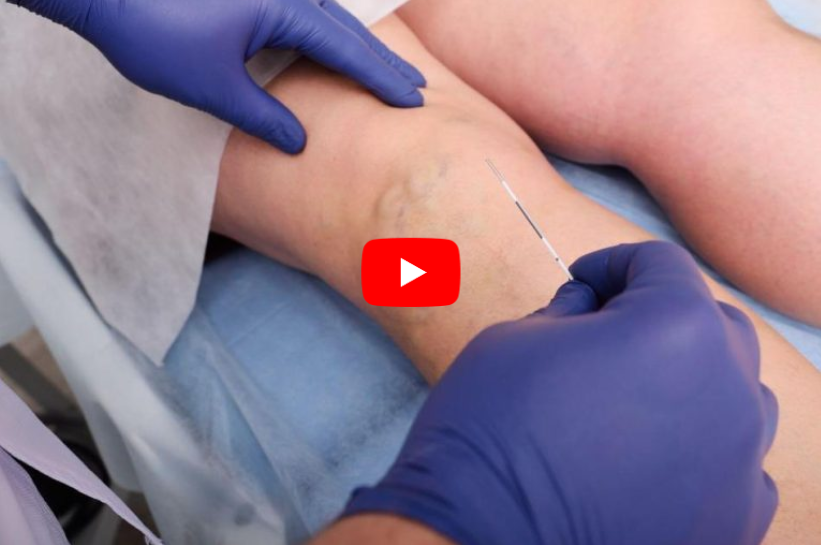

In this comprehensive guide, we’ll walk you through everything you need to know about varicose vein injection side effects, from common, mild reactions to rare but serious complications.
Varicose vein injections may cause bruising, swelling, mild pain, or skin discoloration. Rarely, serious complications like blood clots or tissue damage occur.
Whether you’re considering treatment for aesthetic reasons or to relieve symptoms, this blog will help you make an informed decision.
Understanding Varicose Veins and Injection Treatments
Varicose veins develop when the one-way valves inside your veins fail to function properly. When those valves become weak, blood can pool, leading to enlarged and twisted veins that protrude beneath the skin.
Although varicose veins can occur anywhere, they’re most commonly found in the legs due to prolonged standing and gravity.
These veins can become painful, swollen, and may even lead to skin changes or ulcers in advanced cases.
What Are Varicose Vein Injections?
The term varicose vein injections typically refers to sclerotherapy and other similar techniques like foam sclerotherapy or Varithena®. These injections involve introducing a special solution directly into the affected veins.
The solution irritates the inner lining of the vein, causing it to collapse, scar, and ultimately be rerouted so that blood flows through healthier veins instead.
The procedure is usually performed in a clinic setting, with little to no anesthesia, and patients can often return to most daily activities soon after. However, like all medical procedures, there are potential side effects to understand.
Why Side Effects Happen
It’s important to remember that varicose vein injections trigger intentional changes in the vein’s structure. While practitioners aim for precision, the body’s response to the treatment—and to the injected solution can vary from person to person. Side effects arise from:
- The body’s inflammatory response to the injected solution.
- Minor trauma from the needle punctures.
- Reaction of the surrounding tissue.
- Rare systemic or allergic responses.
Understanding the why behind these side effects helps you prepare mentally and physically for what may occur after treatment.
Common Side Effects of Varicose Vein Injections
Most patients experience mild or expected reactions following varicose vein injections. These side effects are generally temporary and part of the healing process.
1. Bruising and Redness
Bruising at the injection site is one of the most common side effects. It can range from light purplish marks to darker, wider patches along the treated vein. Typically, bruises fade over the course of a few days to weeks.
Why it happens: Small blood vessels are disrupted during treatment, causing blood to temporarily leak into nearby tissues.
What to expect: Discoloration around the treated area that gradually fades.
2. Swelling and Mild Inflammation
After injections, the treated area may feel slightly swollen or warm to the touch. Mild inflammation is a normal immune response and usually lasts a short time.
Tips to manage:
- Wear compression stockings as recommended.
- Elevate your legs when resting.
- Avoid strenuous activity for a short period.
3. Pain, Tenderness, or Cramping
Some patients feel mild pain, cramping, or tenderness after the injection. This sensation can last for a few days. It’s usually manageable with over-the-counter pain relief as advised by your clinician.
Note: If pain significantly worsens or persists beyond expectations, report it to your provider.
4. Skin Discoloration (Hyperpigmentation)
Skin color changes near the treated vein—ranging from light brownish to darker hues—can occur following injections. In most cases, this fades within several months.
Interesting fact: This is due to the breakdown of red blood cells and pigment deposition. Although uncommon, hyperpigmentation can persist longer or, in very rare cases, become permanent.
5. Itching, Tingling, or Minor Skin Irritation
Itching or a mild tingling sensation around the injection site is typical as your body responds to the treatment. These sensations are usually short-lived and not considered dangerous.
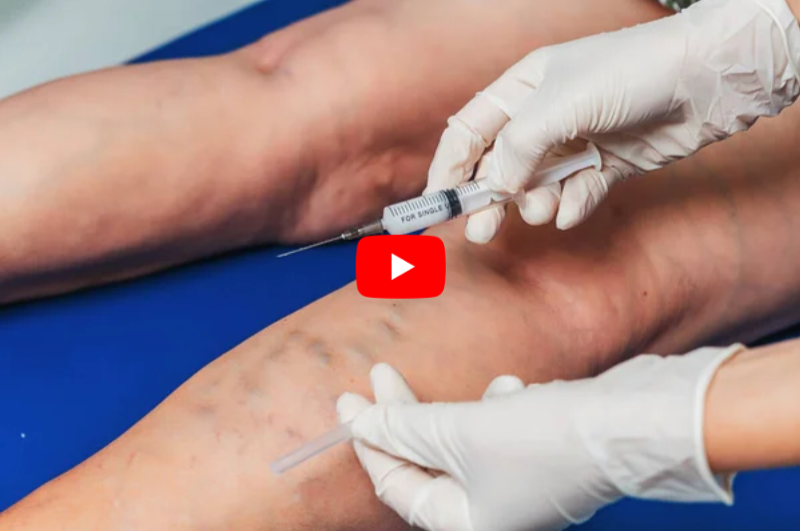
Varicose Vein Injection Side Effects Explained💥| Safe or Risky?
Less Common but Notable Side Effects
While the majority of side effects are mild, there are a few mid-level risks that patients should be aware of.
1. Raised Red Areas or Tender Lumps
In some patients, raised red bumps or tender lumps may appear along the trajectory of the treated vein. These usually resolve on their own, but can be tender. In rare cases, your doctor might drain a lump to reduce discomfort more quickly.
2. New Tiny Blood Vessels (Telangiectatic Matting)
Occasionally, clusters of small new blood vessels may appear near the treated area. This is called telangiectatic matting and often fades over time without treatment.
3. Mild Allergic Reaction
Although uncommon, some individuals can have an allergic response to the sclerosing agent. Symptoms—such as itchiness, redness, or mild swelling—are typically mild but should be monitored. Severe reactions are extremely rare.
Rare but Serious Risks
Varicose vein injections are minimally invasive and generally safe, but like any medical procedure, serious complications can occur. These are rare, but understanding them empowers you to respond promptly if they happen.
1. Deep Vein Thrombosis (Blood Clots)
One of the most concerning, though rare, complications is the formation of a blood clot within a deeper vein—a condition known as deep vein thrombosis (DVT). If a clot dislodges and travels to the lungs, it can cause a life-threatening pulmonary embolism.
Warning signs include:
- Severe leg pain or swelling
- Difficulty breathing
- Chest pain
- Dizziness
If you notice these symptoms after treatment, seek immediate medical help.
2. Skin Ulcers or Tissue Damage
In very rare situations, the injected solution can affect surrounding tissues, leading to small skin ulcers or sores that may leave scars. These usually occur if the sclerosant leaks outside of the vein.
3. Allergic Reaction and Anaphylaxis
An extreme allergic reaction—anaphylaxis—is very rare but requires emergency medical care. Signs include difficulty breathing, rapid heart rate, and swelling of the face or throat.
4. Visual Disturbances and Neurological Events
Some patients, especially with foam sclerotherapy, have reported brief visual disturbances, dizziness, or headaches. These symptoms are usually temporary.
5. Tissue Necrosis and Nerve Injury
Rarely, incorrect injection into or near an artery can result in tissue necrosis (tissue death) or even nerve damage. These complications are very uncommon when performed by experienced professionals using proper imaging guidance.
How to Minimize the Risk of Side Effects
Being proactive before and after your varicose vein injection treatment significantly reduces your risk of side effects—and helps speed healing.
1. Choose an Experienced Specialist
The skill and experience of your vein specialist significantly impact your outcome. Qualified professionals use ultrasound guidance and proper techniques to ensure accurate injection and minimize risks.
2. Follow Pre-Treatment Instructions
Before your procedure, your clinic may advise you to:
- Avoid certain medications like aspirin or ibuprofen, which can increase bruising.
- Avoid lotions or shaving the treatment area.
- Wear comfortable clothing.
3. Wear Compression Stockings
After treatment, wearing compression stockings or wraps improves blood flow, reduces swelling, and decreases clot risk.
4. Stay Physically Active
Light activity, especially walking, encourages circulation and minimizes the risk of deep vein thrombosis.
5. Report Symptoms Promptly
If something doesn’t seem right—especially severe pain, unusual swelling, shortness of breath, or extreme redness—contact your provider immediately.
Hidden Side Effects of Varicose Vein Injections | Watch Before Treatment
How Long Do Side Effects Last?
Most common side effects like bruising, swelling, and mild discomfort—resolve within days to a few weeks.
Hyperpigmentation may take several months to fade, and in rare cases can be long-lasting. More serious complications require targeted medical treatment and professional monitoring.
When to Call Your Doctor
It’s normal to feel some soreness or mild inflammation after treatment, but contact your healthcare provider immediately if you experience:
- Severe or worsening pain not relieved by simple measures
- Signs of infection (fever, redness, warmth)
- Significant swelling or tenderness beyond a few days
- Symptoms of blood clots or pulmonary embolism
- Any unusual symptoms that concern you
Prompt attention can prevent small issues from becoming serious ones.
Conclusion: Knowledge Leads to Confidence
Varicose vein injections remain one of the most effective minimally invasive treatments for varicose and spider veins.
Their popularity endures because they’re typically safe, quick, and can greatly improve both the appearance and symptoms of problematic veins.
However, being well-informed about “Varicose Vein Injections Side Effects” ensures you have realistic expectations and the confidence to navigate your treatment journey safely.
While most side effects are mild and temporary, understanding the rare but serious risks empowers you to recognize warning signs early and act responsibly.
If you’re considering varicose vein injections, having an open conversation with a qualified vein specialist is your best first step. Ask questions, discuss risks, and build a treatment plan that aligns with your health goals.
Reference
Sclerotherapy Side Effects: https://www.healthline.com/health/sclerotherapy
Common Reactions After Treatment: https://www.medicalnewstoday.com/articles/320282
Telangiectatic Matting & Minor Complications: https://www.ncbi.nlm.nih.gov/books/NBK599526/