
Tiktok’s Viral Jello Diet Recipe for Weight Loss: The Truth!

Contents
- 1 What is the “Jello Diet” Trend on TikTok?
- 2 Why Has It Become Popular?
- 3 How to Make the Jello Diet Recipe (Step-by-Step)
- 4 What Does the Science Say?
- 5 Evidence for fullness/appetite reduction
- 6 Key takeaway from the science
- 7 So… Can It Help With Weight Loss?
- 8 How to Use It (If You Do Want to Try)
- 9 Safety Considerations & Who Should Be Cautious
- 10 Can protein Viral Jello actually boost weight loss?
- 11 Who should be cautious / consult first?
- 12 Where This Fits in a Sustainable Weight-Loss Strategy
- 13 Final Thoughts
- 14 References
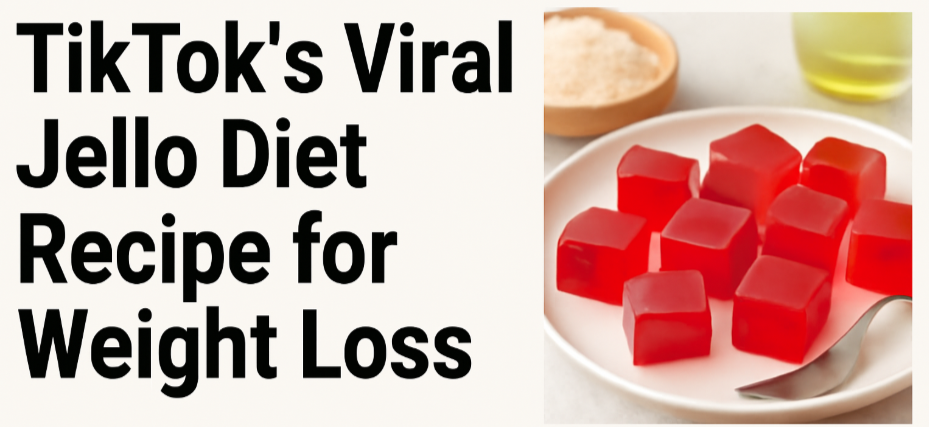
Today, we’re diving deep into one of the latest wellness sensations sweeping social media: the so-called “jello diet” recipe that’s gone viral on TikTok, promising easier weight loss through a simple gelatin-based snack before meals.
If you’ve spotted influencers claiming dramatic results, or you’re just curious about whether the trend lives up to the hype (or whether it’s safe for you), this post is for you.
TikTok’s VIRAL Jello Diet Recipe | Lose Weight Fast & Feel Full! 💪🔥

We’ll explore what the trend is, why it’s popular, what the science says, how you can try it (if appropriate), key caveats, and how it fits into the bigger picture of sustainable weight-loss.
TikTok’s viral Jello diet recipe uses unflavored gelatin to create a low-calorie, filling snack that helps curb cravings and supports weight loss efforts.
What is the “Jello Diet” Trend on TikTok?
If you’ve scrolled through TikTok lately, you may have noticed short video clips showing bright-colored gelatin cubes, jiggling cups of “healthy Jell-O”, or creators mixing gelatin powder with hot water and chilling it into pre-meal cubes.
The trend is often described as the “gelatin weight-loss trick”, the “pre-meal jello snack”, or simply the “jello diet”. Its key features include:
- Using unflavoured or sugar-free gelatin (or sometimes sugar-free Jell-O mixes) dissolved in hot liquid, cooled into a gel, or consumed as a liquid before it sets.
- Consuming it about 15-30 minutes before a main meal (typically lunch or dinner).
- The stated purpose: to reduce appetite or hunger, thereby reducing meal size or total calories consumed.
- Some variations add extras: lemon or apple-cider-vinegar for “metabolic boost”, pink Himalayan salt for hydration, green tea or herbal tea for “clean” flavour, or coffee for an extra kick.
- It’s often marketed as an accessible, budget-friendly alternative to expensive “collagen” supplements or “hunger-suppression” hacks.
- It’s visually appealing: the colorful cubes or liquid versions are very shareable on social media, contributing to their viral popularity.
In short, the “jello diet” is less of a formal diet plan and more of a pre-meal ritual/hack being circulated online, with claims around appetite control and weight loss.
Why Has It Become Popular?
Understanding why the jello diet has gained traction can give insight into why people are drawn to it—and why caution is warranted.
Simplicity & Accessibility
Unlike complex meal plans, expensive supplements, or specialized equipment, this trend uses plain gelatin (or low-cost alternatives) and hot water, or tea or juice. If you have a saucepan and a fridge, you’re good to go. That simplicity is part of its appeal.
The jiggly nature of gelatin, the “before-meal” squares, and the flashy captions (“I lost 10 lbs in one week”), make great short-form video content for TikTok. That’s part of how it spreads.
Appetite Control Promise
Many people struggle with hunger, snacking, and overeating at meals. If a simple snack before a meal could help curb that, the idea is appealing. Some early research shows gelatin can impact signals related to fullness or appetite, which makes the claim plausible (though far from proven).
Collagen/Protein Trend Crossover
Gelatin is derived from collagen, and the wellness world has been big on collagen/gelatin in recent years (for skin, joints, gums, hair). Some creators pitch the jello trick as a “cheap collagen snack” or “protein jello” alternative.
Quick Fix Appeal
Let’s be honest—people love the idea of a “hack” that might help with weight loss, especially one that seems painless, low-cost, and easy. The jello trend fits that need. Social-media posts often make bold claims, even if the evidence is limited.
So basically, it’s easy, cheap, visually fun, and promises something many want (to eat less/have less hunger) with minimal effort. That equals social-media gold.
How to Make the Jello Diet Recipe (Step-by-Step)
If you’re curious how this viral trend is actually made, here’s a breakdown of the common method (with caveats). Remember: this is not a prescription or medical advice—just a description of the trend.
Ingredients (basic version):
- 1 tablespoon unflavoured gelatin powder (or sugar-free gelatin mix)
- About ½ cup cold water (for “blooming” the gelatin)
- About ½ cup hot water (or hot tea/coffee/unsweetened juice)
- Optional: 1 tsp lemon juice or 1 tsp apple cider vinegar for flavour/tang. Optional sweetener (stevia/monk fruit) or pinch of pink Himalayan salt.
Method:
- Sprinkle the gelatin powder over the cold water; let it sit ~5 minutes to “bloom” (absorbing water and becoming spongy).
- Add the hot water (or hot tea/coffee) and stir until the gelatin is fully dissolved, no lumps.
- Add any optional flavouring/sweetener.
- You have two choices: drink it warm/room-temperature right away (before it fully sets), or pour it into a small dish and refrigerate it for 1–2 hours until it gels, then cut it into cubes and eat it 15-30 minutes before your main meal.
- Typical usage: 15–30 minutes before eating lunch or dinner, the idea being that you’ll feel a bit fuller/have less hunger when your actual meal arrives.
Variations
- Instead of plain water, use green tea or herbal tea as the hot liquid (adds flavour + slight caffeine).
- Use coffee instead of water for the hot component (for a caffeine “kick”).
- Add mashed berries or a little 100 % fruit juice to the gel before chilling (though this adds carbs/sugar, reducing “low-calorie” status).
- Vegan alternative: use agar-agar powder instead of animal-derived gelatin. Note: texture is different, and protein content is lower.
Key Tips
- Make sure the gelatin is fully dissolved to avoid lumps or clumping in the throat.
- Use unflavoured/sugar-free versions if your goal is minimal calories. Some flavored gelatin mixes may have artificial sweeteners, dyes, extra carbs—less ideal for “low-calorie” effect.
- Don’t rely on this as a full meal replacement. It’s marketed as a “pre-meal snack/hack”, not the entirety of your diet.
What Does the Science Say?
Here’s where things get interesting—and where caution is necessary. The jello diet trend is based on some plausible mechanisms (gelatin → fullness → less intake), but the evidence for meaningful, lasting weight-loss benefit is limited.
Evidence for fullness/appetite reduction
- Some small studies show that a gelatin-based meal or snack can raise levels of appetite-related hormones (like GLP-1) compared with more carbohydrate-rich meals. For example, one study gave 20 g of gelatin to lean and obese subjects and found elevated GLP-1 and insulin responses.
- Another study found that gelatin breakfasts produced lower subsequent calorie intake (in the short term) compared with breakfasts of other proteins.
- The article from the wellness app Noom summarises: “the gelatin or Jell-O weight-loss trick … may help you feel fuller, but it doesn’t lead to meaningful or lasting weight or fat loss.”
Evidence for long-term weight loss
- A controlled clinical trial found that adding gelatin to a milk-protein diet did not lead to greater weight loss or better body-composition changes compared with control diets over 8 weeks.
- The Noom review concluded: while gelatin may reduce hunger for a meal or two, the “miracle weight-loss” claims don’t hold up. The key for sustained weight management remains balanced eating, portion control, movement, and healthy habits.
Key takeaway from the science
- Gelatin → modest increase in satiety/feelings of fullness.
- It may help reduce the size of one meal or snack, but it is not a stand-alone weight-loss solution.
- There is no strong evidence that the jello trick by itself produces significant fat-loss, large-scale outcomes, or a replacement for comprehensive lifestyle change.
- As always, sustainable weight-loss depends on long-term calorie deficit, nutrient adequacy, physical activity, behaviour change—not hacks alone.
I Tried TikTok’s Viral Jello Diet for 7 Days 😳 | Does It Really Work?
So… Can It Help With Weight Loss?
Given the above, here is a balanced answer: yes, it could help—but with important caveats and proper context.
Potential benefits
- If you often eat too much at a meal because you’re very hungry, having a small pre-meal gelatin snack could reduce hunger a bit and help you eat slightly less.
- If you replace a higher-calorie snack (e.g., a sweet dessert) with a low-calorie gelatin “pre-meal cube”, it might reduce overall calorie intake.
- Because it’s simple and accessible, it might help someone build the “pre-meal pause” habit (i.e., a moment of preparation, mindful eating) that leads to better control.
Limitations / realistic view
- The reduction in hunger/fullness is modest and not guaranteed for everyone.
- It doesn’t automatically equal fat loss—it only might support a calorie deficit if combined with mindful eating/portion control.
- If you still eat a large main meal after the gelatin snack, the net effect may be negligible.
- It doesn’t replace the need for nutritious meals (vegetables, protein, healthy fats, fiber) or physical activity.
- The long-term studies don’t show a dramatic extra advantage. Thus, calling it a “miracle diet” is misleading.
-
If you rely on it and neglect other habits, you might lose muscle, miss nutrients, or rebound.
How to Use It (If You Do Want to Try)
If you like the idea and want to try the jello diet trend safely, here’s a structured approach—always with the proviso: consult your healthcare provider if you have medical conditions.
Step 1: Choose the right version
- Use unflavoured or sugar-free gelatin powder (minimal additives, minimal sugar).
- If vegan/vegetarian: substitute with agar-agar (but note less protein).
- Avoid flavored gelatin mixes high in sugar/artificial sweeteners unless you account for them in your calorie/fat-loss budget.
Step 2: Prepare properly
- Bloom the gelatin properly (cold water first) so it dissolves smoothly.
- Use hot liquid that you’re comfortable with (water, herbal tea, plain coffee) to dissolve it.
- Add flavour if you like (lemon, citrus, berries), but avoid large amounts of added sugar.
- Decide if you’ll drink it warm or use the “set and cube” method. Either is fine, according to the trend.
Step 3: Timing
- Consume it 15-30 minutes before your largest meal (often dinner) so it can help with appetite.
- Make sure you still eat a balanced main meal—don’t skip essential nutrients expecting the gelatin to “replace” the meal.
Step 4: Integrate it with other healthy habits
- Ensure your main meals are nutrient-rich (lean protein, whole grains or legumes, vegetables or fruit, healthy fats).
- Stay in a modest calorie deficit (if weight-loss is your goal) by controlling portion size, eating mindfully, and reducing ultra-processed foods.
- Include regular physical activity (aerobic + strength) to maintain muscle mass and metabolic health.
- Prioritise sleep and stress management—both affect hunger, cravings, and hormones.
Step 5: Monitor and adjust
- After 1–2 weeks, assess whether the gelatin snack actually helps you feel less hungry, and you’re eating less at the main meal.
- Don’t blindly keep increasing the quantity of gelatin—more isn’t necessarily better, and you still need nutrient variety.
- If you notice digestive discomfort, or if you rely on it daily and skip proper meals, reconsider the approach.
Safety Considerations & Who Should Be Cautious
While the jello diet trend is generally low-risk for healthy adults, a few safety issues and populations to watch:
Safety issues
- Gelatin is derived from animal collagen (unless you use vegan agar-agar), so if you’re vegetarian/vegan, this matters.
- Some gelatin mixes (especially flavored ones) may contain artificial sweeteners, dyes, or additives that could cause digestive upset or allergic reactions.
- If the gelatin mix is too thick or lumps persist, there is a small risk of choking. So make sure it dissolves fully.
- Because it is low in calories/nutrients, don’t use it to skip meals or neglect nutrient intake.
- If you have any medical condition (e.g., kidney disease, eating disorder history, gastroparesis, severe reflux) you should check with your doctor before adding any diet hack.
TikTok’s Secret Jello Recipe for FAST Weight Loss | Easy & Delicious!
Can protein Viral Jello actually boost weight loss?
The trend usually involves sugar-free gelatin mixed with protein powder or Greek yogurt. Its main benefit is satiety.
Protein helps you feel fuller for longer, which can reduce snacking and make it easier to stay in a calorie deficit, the real driver of weight loss.
Because it’s typically low in calories and feels like a dessert, protein Jell-O can be a smart swap for higher-calorie sweets.
That said, it’s not a fat-burning hack. Gelatin alone is not a complete protein, and the snack won’t speed up your metabolism or cause weight loss unless it helps you control overall calorie intake.
It works best as part of a balanced diet that includes whole foods, adequate protein across meals, and regular movement.
Who should be cautious / consult first?
- Pregnant or breastfeeding women: weight-loss hacks should be approached carefully; nutrient sufficiency is key.
- People with eating disorders or disordered eating: the “quick hack” ethos may feed into unhealthy patterns.
- People with metabolic diseases (diabetes, kidney disease) or on specific medications: any dietary change should be coordinated with a healthcare provider.
- Anyone seeking rapid weight loss (e.g., >2 kg/week) should avoid relying solely on viral tricks—focus instead on a medically supervised approach.
Where This Fits in a Sustainable Weight-Loss Strategy
At Nuvectra Medical, we believe in health-first, evidence-guided, sustainable approaches to weight management. So, where does the Jello diet trick fit in?
Complement, don’t replace:
Use the gelatin snack as a complementary tool—a pre-meal appetite aid. But the core strategy remains the same: balanced nutrition + portion control + consistent physical activity + behaviour and lifestyle change.
Focus on long-term habits:
True weight loss & maintenance depend on habits you can maintain. These include:
-
Eating a variety of nutrient-dense foods (vegetables, fruits, legumes, lean protein, whole grains).
-
Minimizing intake of ultra-processed foods, excessive sugars, and large portions.
-
Incorporating strength training to maintain muscle mass, which supports metabolic rate.
-
Ensuring adequate sleep, managing stress, and staying hydrated.
-
Monitoring progress (weight, body composition, how clothes fit, energy levels) and adjusting.
Avoid a quick-fix mindset:
Viral trends often overpromise. The jello diet trend is fun, easy, and may help in small ways—but it’s not a magic wand. Expect modest benefits at most unless integrated into broader lifestyle changes.
Personalisation matters:
Everyone is different. What works for one person may not work for another. If the gelatin snack helps you feel fuller, fine. If it doesn’t, that’s okay—there are many appetite-control tools (protein-rich meals, fibre, water, mindful eating). Choose what fits your lifestyle and preferences.
Tracking & adjustment:
If you try it and it helps you reduce hunger and eat a bit less, great—track how it affects your main meal size, energy levels, hunger later, and overall food intake. If you find it’s ineffective or you skip essential meals, revert to more reliable strategies.
Final Thoughts
The viral jello diet recipe circulating on TikTok is a fascinating example of how simple kitchen tricks meet social media influence. On one hand, it’s cheap, accessible, visually engaging, and grounded in a plausible mechanism (gelatin → fullness → less intake).
On the other hand, the scientific evidence for big fat-loss benefits is weak; it should not replace balanced meals or an evidence-based weight-loss strategy.
If you’re curious: yes, you can try the jello diet trick—with the right mindset. Use it as a pre-meal snack, pay attention to portion sizes, continue your healthy eating and activity habits, and monitor your results.
If it fits, great. If it doesn’t, don’t feel compelled to continue—there are many other tools in the weight-management toolbox.
At Nuvectra Medical, our advice is: stay informed, stay sceptical of “miracle” trends, and prioritise sustainable habits.
Use the jello trick if you like it, but know its limits and keep your eyes on the bigger picture: balanced nutrition, movement, healthy sleep, and behaviour changes. That’s where lasting success lies.
References
-
Cameron M., “What is the gelatin trick for weight loss? The truth behind the trend”, Noom Blog, Oct 24 2025.
-
Hochstenbach-Waelen A., Westerterp K.R., Soenen S., Westerterp-Plantenga M.S., “No long-term weight maintenance effects of gelatin in a supra-sustained protein diet”, Physiol. Behav., 2010;101(2):237-44.
-
Hochstenbach-Waelen A., et al., “Effects of a supra-sustained gelatin–milk protein diet compared with supra-sustained milk-protein diets on body-weight loss”, Br. J. Nutr., 2011;105(9):1388-1398.
-
Bordin C.C.D., “Hydrolyzed collagen (gelatin) decreases food efficiency …”, (study summary), SciELO Brasil, 2015.
-
PerfectCupcakes.com, “Gelatin Trick Recipe for Weight Loss – Easy Low-Calorie Snack”, Sep 24 2025.