
Stop Soaking Chia Seeds in Water: What Science Reveals

Contents
- 1 What Are Chia Seeds, Anyway?
- 2 So What Happens When You Soak Chia Seeds in Water?
- 3 Soaking Chia Seeds: The Common Beliefs (Explored)
- 4 Why You Might Stop Soaking Chia Seeds in Water
- 5 The Science of Fiber — Why Hydration Matters More Than Soaking
- 6 How to Eat Chia Seeds Without Soaking (Safely & Deliciously)
- 7 How Much Chia Seed Is Healthy?
- 8 Who Should Definitely Not Eat Dry Chia Seeds Without Water?
- 9 Ground vs. Whole Chia Seeds — Does It Matter?
- 10 Myth-Busting: Common Chia Misconceptions
- 11 Do Chia Seeds Help With Weight Loss?
- 12 Chia Seeds and Blood Sugar — What You Should Know
- 13 Chia Seeds and Heart Health
- 14 Key Takeaways: Should You Stop Soaking Chia Seeds in Water?
- 15 Practical Tips for Incorporating Chia Seeds Without Soaking
- 16 Final Thoughts
Chia seeds have become one of the most talked-about “superfoods” in recent years. From smoothies and yogurt bowls to baked goods and health supplements, their tiny size hides a powerful nutritional punch.
But one question that keeps popping up — especially among health enthusiasts and dietitians — is:
Do you really need to soak chia seeds in water? And should you stop soaking chia seeds in water entirely?
Stop Soaking Chia Seeds in Water 🚫💧 Try This Healthier Method
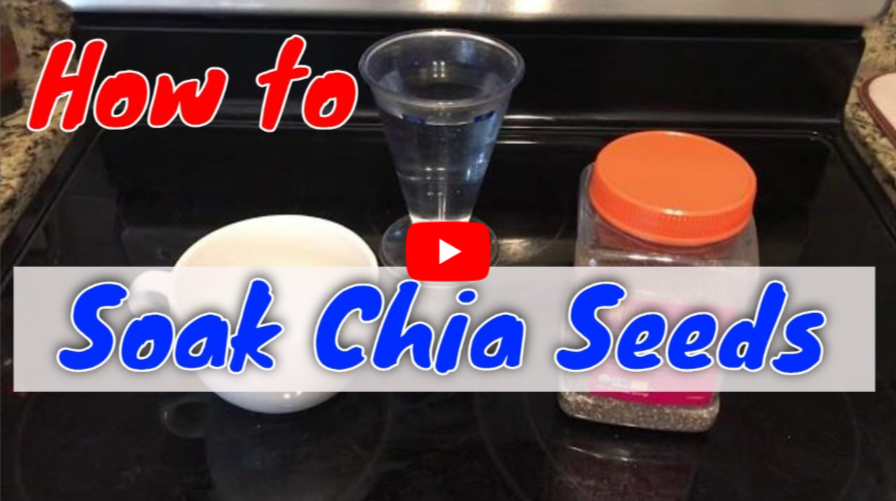

If you’ve ever wondered whether soaking chia seeds is necessary — or even beneficial — you’re in the right place.
You can enjoy chia seeds without soaking them. When eaten with enough fluids or mixed into foods, they still deliver fiber, omega-3s, and digestive benefits.
In this in-depth guide, we’re going to unpack everything you need to know: the science behind chia seed hydration, the pros and cons of soaking, alternatives to soaking, potential risks, and how not soaking may be better for certain people.
What Are Chia Seeds, Anyway?
Chia seeds come from the Salvia hispanica plant, a member of the mint family native to Central America. These tiny, oval seeds — typically black or white — have been a staple in Indigenous diets for centuries.
Modern nutrition science has elevated chia seeds to “superfood” status because they deliver an impressive combination of:
- Fiber
- Omega-3 fatty acids
- Protein
- Antioxidants
- Minerals like calcium, magnesium, and phosphorus
Chia seeds are also gluten-free, easy to store, and highly versatile — which is why they’re a favorite among people following paleo, keto, vegan, and whole-food diets.
So What Happens When You Soak Chia Seeds in Water?
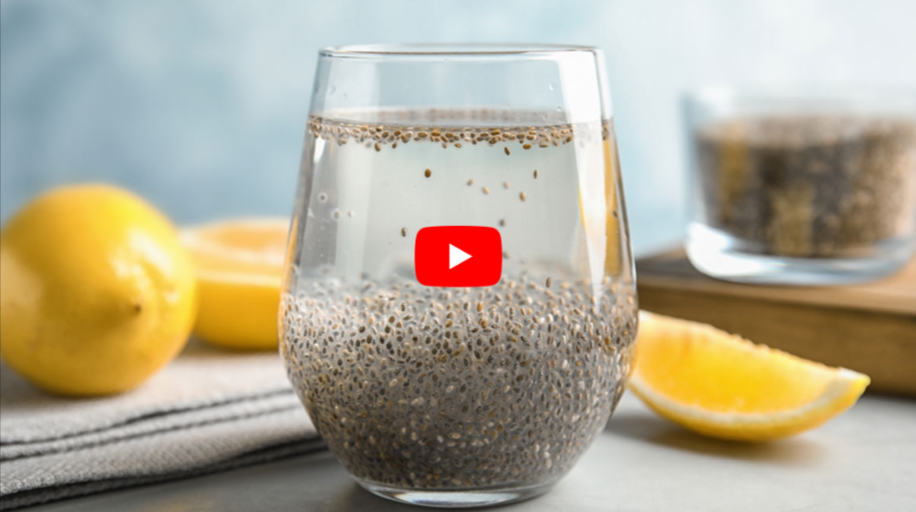
If you’ve ever mixed chia seeds in water and waited, you know that something interesting occurs: the seeds swell and form a gel-like substance.
Why does this happen?
Chia seeds have high soluble fiber content. When exposed to liquid, the fibers absorb up to 10–12 times their dry weight in water. This causes them to become gelatinous — similar to tapioca pearls.
This gel formation is often cited as the reason people soak chia seeds in water before eating them. The belief is that soaking:
✔ Improves digestion
✔ Enhances nutrient absorption
✔ Prevents digestive discomfort
✔ Helps with hydration
But is that really true?
Soaking Chia Seeds: The Common Beliefs (Explored)
Here are the most popular reasons people soak chia seeds — and what science and expert opinion has to say about each.
1. It Makes Them Easier to Digest
People often soak chia seeds, believing that hydration breaks down antinutrients like phytic acid, which can interfere with mineral absorption.
👉 The truth? Soaking may reduce phytic acid mildly, but the effect is minimal compared to other foods like nuts and legumes. Chia seeds already have low phytic acid levels, and their nutrients are bioavailable even when dry.
So while soaking might help some people digest chia seeds better, it isn’t a universal requirement.
2. Prevents Digestive Blockage
One concern with dry chia seeds is that they can absorb water rapidly — even inside your digestive tract — potentially causing bloating or discomfort.
Because of this, some people assume that soaking prevents digestive issues.
👉 Here’s the nuance:
- For most people, eating a tablespoon or two of dry chia seeds with plenty of water causes no problem at all.
- However, consuming large amounts of dry chia seeds without liquid — especially for people with sensitive digestion — can cause bloating.
Therefore, the key isn’t soaking — it’s hydration.
Drinking plenty of water with chia seeds — whether soaked or dry — is what keeps your digestive tract running smoothly.
3. Better Nutrient Absorption
Another belief is that gelled chia seeds release nutrients more easily because they’re partially “predigested.”
👉 The science? There’s no solid evidence proving superior nutrient absorption from soaked versus unsoaked chia seeds.
Whether gelled or dry, the nutrients in chia seeds — especially omega-3s and fiber — remain intact. Some absorption differences may occur, but they’re marginal and not significant enough to make soaking mandatory.
Stop Soaking Chia Seeds in Water ❌ The Science-Backed Truth
Why You Might Stop Soaking Chia Seeds in Water
Now that we’ve examined the common assumptions, let’s dive into why you might want to stop soaking chia seeds altogether — or reconsider the practice.
1. Soaking Isn’t Essential — It’s Optional
Chia seeds are fully edible in their dry form. Soaking is a habit, not a rule.
If your body handles chia seeds well without soaking — and you’re drinking enough water — there’s no strict health benefit that requires you to soak them first.
This is especially true for:
- People with strong digestive systems
- Those incorporating chia seeds into smoothies or mixed meals
- People who find soaking inconvenient
So if soaking feels like a chore — and you don’t notice any difference — you’re probably better off skipping it.
2. Some People Digest Dry Chia Better
Surprisingly, many people report better digestion when they consume chia seeds dry mixed into foods, like:
- Yogurt
- Oatmeal
- Smoothies
- Baked goods
Why?
Because the food itself provides enough moisture to hydrate the seeds slowly as you chew and digest, reducing the risk of bloating or gel-related discomfort.
3. Soaking Can Be Inconvenient
Think about it:
- Soaked chia needs to rest for 20 minutes to overnight
- People often over-soak and create overly gelatinous chia
- You must plan ahead
If you’re busy or spontaneous with meals, dry chia seeds are simply easier:
✔ No prep time
✔ No waiting
✔ Can be consumed instantly with liquids or food
4. It Can Change the Texture Unfavorably
Soaked chia seeds have a mucilaginous (gel-like) texture — some people love this, others dislike it.
If the texture doesn’t appeal to you, skipping the soak gives you:
- A crunchier texture
- More variety in recipes
- Greater enjoyment of foods overall
After all, healthy eating shouldn’t feel like a compromise.
5. You Might Be Missing Out on Fiber Benefits
When chia seeds are soaked, they form a gel in which soluble fiber becomes more prominent. While this gel slows digestion — helping with fullness — some people experience unintended side effects like:
- Bloating
- Gas
- Sluggish digestion
That’s because the manner of fiber affects everyone differently.
By eating chia seeds dry (but with adequate water), you allow your digestive system to process the seeds more naturally — without an overly thick gel forming in your stomach.
The Science of Fiber — Why Hydration Matters More Than Soaking
Chia seeds are rich in soluble fiber — the type that attracts water and expands.
Here’s the key:
👉 Soluble fiber forms a gel when it absorbs water — whether inside a jar or inside your stomach.
This gel is responsible for the following:
✔ Slowing digestion
✔ Stabilizing blood sugar
✔ Increasing satiety (feeling full)
✔ Supporting gut health
But here’s the critical point:
This gel formation happens automatically with water — even if you don’t soak the seeds first.
All that’s required is sufficient hydration inside your digestive tract.
So instead of soaking chia seeds in advance, the real focus should be:
Drink enough water with chia seeds
This ensures that:
-
Chia seeds absorb moisture safely
-
Your digestive system functions smoothly
-
You avoid any discomfort from gel expansion
Stop Soaking Chia Seeds in Water💧What Happens If You Don’t?
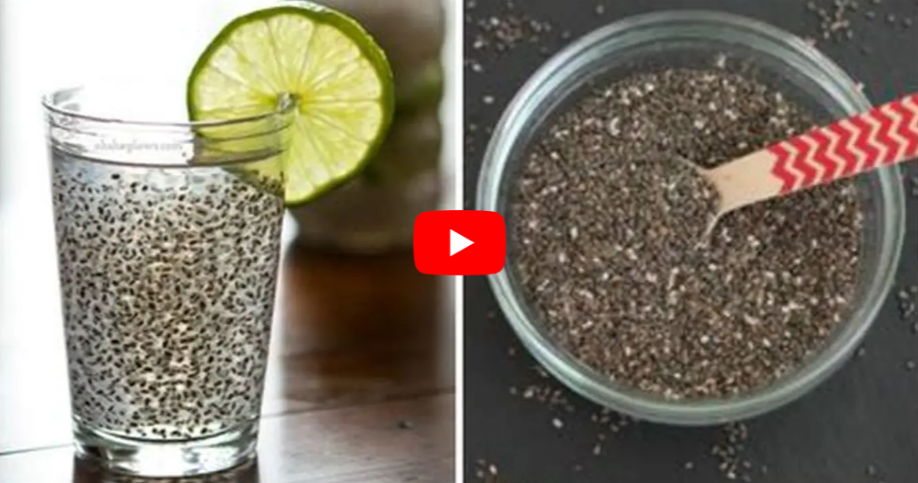
How to Eat Chia Seeds Without Soaking (Safely & Deliciously)
If you’re ready to stop soaking chia seeds — here’s how to do it smartly.
1. Mix Dry Chia into Smoothies
One of the easiest ways to enjoy chia seeds without soaking is by blending them into smoothies.
Try:
- Mango + spinach + chia
- Berry + banana + chia
- Almond milk + peanut butter + chia
The liquid in your smoothie naturally hydrates the seeds as you drink.
2. Sprinkle on Yogurt or Oatmeal
Adding dry chia seeds to yogurt or oatmeal allows them to absorb liquid while you eat, creating a pleasant texture and gentle hydration.
3. Add to Baked Goods
Dry chia seeds can be baked into:
- Muffins
- Bread
- Pancakes
- Granola bars
In these cases, the chia seeds don’t form a gel and provide crunch plus nutrition.
4. Pair with a Full Glass of Water
If you like chia seeds straight, simply:
- Eat 1–2 tablespoons of dry chia seeds
- Follow with a full glass of water (250–300 ml)
This ensures hydration and prevents unintended gel formation deeper in the digestive tract, where discomfort may occur.
How Much Chia Seed Is Healthy?
Chia seeds are potent — so portion control matters.
Here’s the general guideline:
👉 1–2 tablespoons (10–20 grams) per day is sufficient for most adults.
This delivers:
- Fiber support
- Omega-3 fatty acids
- Micronutrients
Going beyond this — especially without adequate water — may increase the risk of digestive issues (e.g., bloating, constipation).
Who Should Definitely Not Eat Dry Chia Seeds Without Water?
Even though many people can handle dry chia seeds safely, some should be cautious.
❌ People with a history of:
✔ Esophageal strictures
✔ Swallowing difficulties
✔ Gastroparesis
✔ Severe acid reflux
✔ Chronic constipation
For these individuals, the gel forming inside the esophagus or stomach may pose discomfort or risk.
If you fall in this group:
- Favor soaked chia seeds
- Try ground chia seeds mixed with liquid
- Consult a healthcare provider before adding chia to your diet
Ground vs. Whole Chia Seeds — Does It Matter?
Yes — and here’s why:
Whole Chia Seeds
- Retain fiber structure
- Form a gel in liquid
- Offer slower digestion
Ground Chia Seeds
- Easier to digest for some people
- May reduce gastrointestinal discomfort
- Do not form a thick gel as easily
If you struggle with chia seeds — even soaked — try grinding them first. Then mix with yogurt, smoothies, or water.
Myth-Busting: Common Chia Misconceptions
Let’s debunk some myths around chia seeds — especially soaking.
🌀 Myth #1: You Must Soak Chia Seeds Before Eating
❌ Not true. Soaking is optional.
Dry chia seeds are safe when consumed with adequate water.
🌀 Myth #2: Soaked Chia Seeds Are More Nutritious
❌ Only marginally — if at all.
Pre-soaking doesn’t dramatically enhance nutrient absorption.
🌀 Myth #3: Dry Chia Seeds Cause Digestive Blockage
❌ Rarely true.
Most discomfort comes from insufficient hydration, not dry seeds themselves.
Do Chia Seeds Help With Weight Loss?
One of the reasons chia seeds became famous is their potential to support weight loss — and they can — but not because of soaking.
Here’s how chia seeds may help:
✔ Fiber increases fullness
✔ Slows gastric emptying
✔ Helps regulate blood sugar
✔ Stabilizes appetite
The key is fiber and hydration, not soaking.
So whether you soak them or eat them dry (with water), these benefits still apply.
Chia Seeds and Blood Sugar — What You Should Know
Chia seeds contain soluble fiber, which can help stabilize post-meal blood sugar.
Research suggests that chia seeds may slow the rate at which your body digests carbohydrates — reducing blood sugar spikes.
Again, whether soaked or not, the fiber still works.
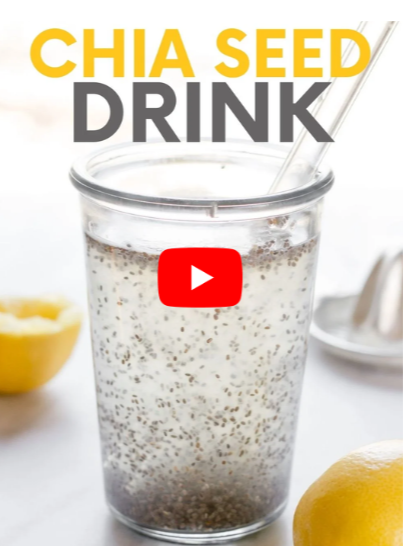
Stop Soaking Chia Seeds in Water ❌The Truth You Need to Know
Chia Seeds and Heart Health
Chia seeds are rich in omega-3 fatty acids, particularly ALA (alpha-linolenic acid).
Omega-3s are linked to:
✔ Lower inflammation
✔ Improved cholesterol levels
✔ Enhanced cardiovascular health
So chia seeds are heart-healthy — regardless of soaking.
Key Takeaways: Should You Stop Soaking Chia Seeds in Water?
After everything we’ve explored, here’s the bottom line:
✔ Soaking chia seeds is optional — not essential.
✔ Chia seeds can be consumed dry if you drink enough water.
✔ The real focus should be on hydration and portion size, not soaking.
✔ Dry chia seeds are convenient, versatile, and often digestion-friendly.
✔ Soaking is still fine — it just isn’t necessary for most people.
In essence: Stop soaking chia seeds if you don’t need to.
Choose a method that fits your lifestyle, digestion, and preferences.
Practical Tips for Incorporating Chia Seeds Without Soaking
Here’s a simple starter plan:
🌿 Daily Routine Without Soaking
- Morning Smoothie: 1 tbsp chia seeds ➝ blend with fruit + greens
- Midday Snack: Sprinkle chia on yogurt + berries
- Evening Meal: Add chia to oatmeal or salad
- Hydration Tip: Drink 1 extra glass of water with chia meals
This approach is easy, effortless, and doesn’t require soaking.
Final Thoughts
Chia seeds are a nutritional powerhouse — but like any food, their benefits come from how you eat them, not just what you eat.
If you’ve been soaking chia seeds because you thought it was mandatory, feel free to stop. Focus instead on:
- Adequate hydration
- Balanced meals
- Mindful portion sizes
That’s where the real health benefits lie.
So go ahead — enjoy chia seeds your way. No soaking required.
Reference
- Digestion, Fiber & Hydration: https://www.medicalnewstoday.com/articles/291334
- Soaked vs Dry Chia Seeds: https://www.ncbi.nlm.nih.gov/pmc/articles/PMC4690096/