
Single Best Exercise To Improve Hip Bone Density? Analysis

Contents
- 1 Understanding Bone Density: The Science Behind Strength
- 2 The Single Best Exercise to Improve Hip Bone Density
- 3 How High-Impact Jump Training Improves Hip Bone Health
- 4 Step-by-Step: How to Do the Best Hip Density Exercise Safely
- 5 Variations and Progressions
- 6 Supporting Exercises for Hip Bone Health
- 7 Nutrition and Lifestyle: The Complete Bone Health Picture
- 8 Who Should Be Cautious?
- 9 Conclusion: Building Stronger Hips for Life
Bone health is one of the cornerstones of long-term mobility, strength, and quality of life — yet it’s often overlooked until something goes wrong.
Among all the bones in our body, the hip bones are especially important. They support our body weight, enable movement, and absorb the impact forces of everyday activities like walking, climbing stairs, or even standing up from a chair.
As we age, bone mineral density (BMD) naturally declines. This can lead to conditions such as osteopenia and osteoporosis, where bones become weaker and more prone to fractures.
The #1 Exercise to Improve Hip Bone Density


In fact, one of the most common and serious consequences of low bone density is a hip fracture, which can profoundly affect independence and long-term health.
But here’s the good news: exercise is one of the most effective natural ways to improve — or at least maintain — hip bone density.
High-impact jump training is the single best exercise for hip bone density, using strong weight-bearing forces to stimulate bone growth & improve hip strength.
According to research, not all exercises are created equal when it comes to stimulating bone growth at the hip, and one particular type of movement stands out as especially beneficial.
In this comprehensive guide, we’ll explore:
- How bones adapt and strengthen in response to exercise
- What types of exercises most reliably improve hip bone density
- The single best exercise you can do
- Step-by-step instructions, safety tips, and progressions
- Additional exercises and lifestyle factors that support bone health
Let’s dive in.
Understanding Bone Density: The Science Behind Strength
Before we get into which exercise is best, it’s crucial to understand how and why certain movements affect bone mineral density.
Bone Remodeling: A Dynamic Process
Your bones are not static. They’re constantly undergoing a process called bone remodeling, where old bone tissue is broken down (resorption) and new bone tissue is formed (formation). During youth, formation outpaces resorption, leading to bone growth. But as we age — especially after menopause in women — this balance often shifts toward greater resorption, leading to loss of bone density.
Mechanical Loading and Wolff’s Law
The key to improving bone density through exercise lies in mechanical loading — the forces that muscles and gravity apply to the skeleton. According to Wolff’s Law, bones adapt to the loads placed on them: the greater the force, the more the bone responds by becoming stronger and denser.
So simply walking around the house isn’t enough to make bones stronger — the loading must be dynamic, weight-bearing, and of sufficient intensity to trigger the bone-building response.
Types of Exercise That Influence Bone Density
Research shows that a combination of different exercise styles can influence bone density:
- Resistance (strength) training — loads muscles and bones through weights or resistance.
- Weight-bearing impact exercises — actions like jumping and stepping that force bones to absorb impact.
- High-impact, high-intensity training — combines resistance with impact and has been shown to be particularly effective at stimulating bone growth at key areas such as the hip and spine.
But which specific movement offers the most concentrated benefit for hip bone density?
The Single Best Exercise to Improve Hip Bone Density
After reviewing the scientific evidence and exercise physiology principles, the single best exercise for improving hip bone density is:
High-Impact Jump Training (specifically Controlled Jump-Landing Movements such as the “Jump Down and Hop”)
This type of plyometric (explosive, impact-oriented) exercise applies a rapid and significant force through the hip bones, stimulating bone formation in a way that most other movements cannot.
Here’s why this exercise is so effective:
- Direct impact on hip bones – Jumping creates ground reaction forces that travel up through the feet into the hip joints, triggering bone remodeling where it matters most.
- High-impact stimuli – Research shows that high-impact exercises are particularly effective for increasing or maintaining hip BMD.
- Muscle-bone synergy – The muscles around your hips and legs contract powerfully to take off and absorb landing forces, further increasing mechanical load.
- Practical and adaptable – This exercise can be scaled from beginner to advanced levels with appropriate modifications.
In simple terms, the stronger and more forceful the loading on the bones, the more your bones respond by becoming denser and stronger.
How High-Impact Jump Training Improves Hip Bone Health
Ground Reaction Forces and Bone Stimulation
When you jump and land, the force when your feet hit the ground can exceed three times your body weight. This makes the impact strong enough to stimulate the bone-building cells (osteoblasts) in the hip region — especially the femoral neck, which is one of the most common sites of osteoporotic fracture.
Comparison to Other Exercises
Many traditional exercises like walking or cycling are beneficial for overall health, but they do not provide the same level of osteogenic (bone-building) stimulus as controlled jumping:
- Walking — weight-bearing, but typically low impact and insufficient to drive significant bone growth on its own.
- Cycling/Swimming — non-weight-bearing and not effective for building bone density.
- Resistance training — excellent for muscle strength and beneficial for bone, but impact adds a crucial bone-stimulating element.
That’s why a combination of resistance and impact training yields the best results — but if we must pick one exercise type with the most direct hip bone benefit, it’s high-impact jump training.
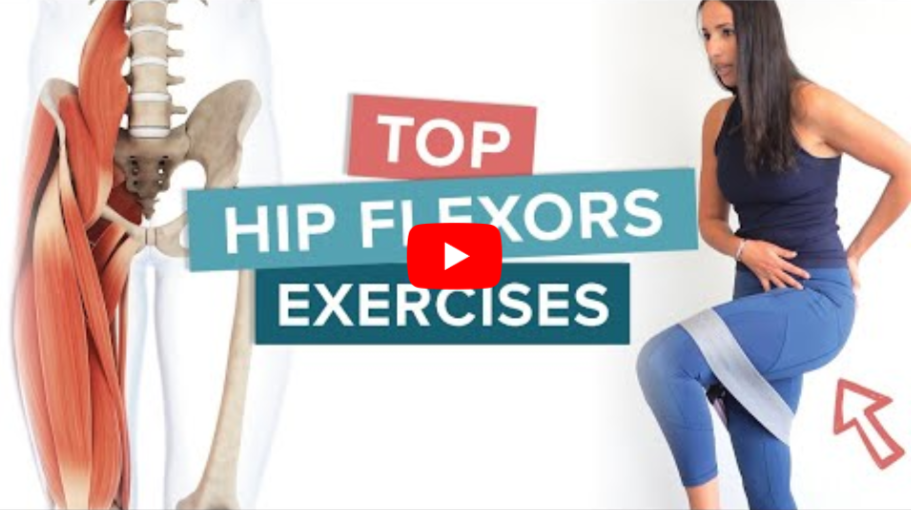
Stronger Hips After 40 🦴🔥Best Exercise Revealed
Step-by-Step: How to Do the Best Hip Density Exercise Safely
Jump training must be done carefully to avoid injury. Below is a step-by-step guide.
1. Warm Up Properly
Before you jump, prepare your muscles and joints with:
- Light cardio (marching in place, brisk walking, or cycling for 5–10 minutes)
- Dynamic stretches (leg swings, ankle circles, gentle lunges)
Warming up improves blood flow and reduces injury risk.
2. Position and Technique
Stand tall with your feet hip-width apart. Engage your core and keep your eyes forward. Think soft, controlled landings — you are not trying to jump as high as possible; you’re aiming for impact quality.
3. The Jump Down and Hop
This specific jump pattern is effective and scalable:
- Stand on a low platform (even a single step or 4–6 inch box).
- Step off the platform with both feet and land softly — almost like a light, quiet jump.
- As soon as your feet touch the ground, perform a small, controlled hop upward.
- Land softly again.
4. Repetitions and Frequency
Start with 10–15 controlled landings per session, 2–3 times per week. As you get comfortable, you can increase the number of repetitions or add light weights (e.g., a weighted vest) under professional guidance.
5. Safety Tips
- Always focus on soft, knee-bent landings to protect joints.
- If you experience pain in the knees, hips, or back, stop and consult a professional.
- Jump training is not recommended for people with very severe osteoporosis or recent fractures without medical clearance.
- Begin with low heights and gradually progress as technique improves.
Variations and Progressions
You don’t have to do the same jump forever. Here are ways to make it easier or harder:
Beginner Modifications
- Heel Drops – Stand on a step, rise onto your toes, and drop your heels down. This creates impact with less force and can condition bones before full jumps.
- Marching Jumps – Perform small upward hops without a platform.
Intermediate Progression
- Double-Leg Plyometric Jumps – From a standing position, jump straight up and land softly.
- Side-to-Side Jumps – Adds lateral loading, stimulating hip stabilizers and bone in different directions.
Advanced Progression
- Weighted Vest Jumps – Adds resistance to increase mechanical load.
- Broad Jumps – Forward force and landing require extra hip engagement.
Always prioritize form and safety over intensity.
Supporting Exercises for Hip Bone Health
While high-impact jump training is the star, other exercises support hip bone density and overall musculoskeletal health.
Resistance Training Movements
Exercises that load the hips and legs help build muscle strength, which in turn enhances bone loading when you perform impact movements:
- Squats — target hips, quads, and glutes.
- Lunges — unilateral movement that loads each hip independently.
- Deadlifts — a powerful hip extension movement that stimulates both muscles and bones.
Weight-Bearing Activities
Activities like stair climbing, hill walking, and dancing also load the skeleton beneficially:
- Stair climbing forces repeated hip extension and absorption.
- Hill walking increases hip muscle engagement, stressing bones safely.
Balance and Stability Exercises
Although they don’t directly increase bone density, balance exercises help prevent falls — a critical part of fracture prevention:
- Single-leg stands
- Tai Chi
- Yoga balance poses
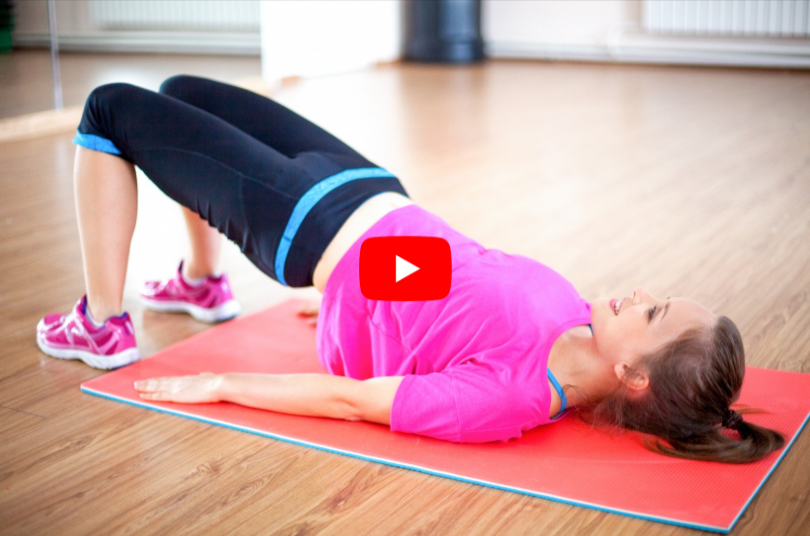
Build Unbreakable Hips | One Simple Exercise
Nutrition and Lifestyle: The Complete Bone Health Picture
Exercise alone isn’t enough. To optimize bone growth and strength, you need the right nutritional and lifestyle support.
Calcium and Vitamin D
Both are essential building blocks for bone formation. Calcium provides the mineral structure for bones, while vitamin D helps your body absorb calcium efficiently. Aim for plenty of calcium-rich foods (dairy, leafy greens, fortified foods) and sensible sun exposure or supplementation if needed.
Protein
Adequate protein supports muscle growth and bone remodeling. Include lean meats, legumes, dairy, and plant-based proteins in your diet.
Hormonal and Medical Factors
Bone health is influenced by hormones (like estrogen and testosterone). If you suffer from hormonal imbalances, medical guidance can help address underlying contributors to low BMD.
Lifestyle Habits
- Avoid smoking — it accelerates bone loss.
- Moderate alcohol consumption — excessive intake weakens bones.
- Maintain a healthy weight — very low weight increases fracture risk.
Who Should Be Cautious?
High-impact jump training is not suitable for everyone. Avoid jump training or seek professional supervision if you have:
- Severe osteoporosis or history of fragility fractures
- Painful joint conditions or recent joint surgery
- Balance disorders or neurological conditions
Always consult a healthcare professional before beginning a new high-impact program.
Conclusion: Building Stronger Hips for Life
Maintaining and improving hip bone density is critical for long-term independence, mobility, and quality of life.
Among all exercise options, high-impact jump training, especially controlled jump-landing patterns like the “jump down and hop,” stands out as the most effective single exercise for stimulating hip bone growth when performed safely and consistently.
Combined with supportive resistance training, balanced nutrition, and healthy lifestyle choices, you can take control of your bone health and build strength from the inside out.
It’s never too early or too late to start investing in your bone health. Start smart, progress gradually, and keep your hips strong for years to come.
Reference
Exercise & Bone Density Meta‑Analysis: https://pubmed.ncbi.nlm.nih.gov/34725872/
Weight‑Bearing Bone Exercises: https://www.webmd.com/osteoporosis/features/exercise-weight-bearing
Bone density: https://en.wikipedia.org/wiki/Bone_density
Whole body vibration training and hip density: https://pubmed.ncbi.nlm.nih.gov/15040822/