
Night Driving Glasses for Seniors: Safety and Comfort Tips

Contents
- 1 Why Night Driving Is More Difficult for Seniors
- 2 What Are Night Driving Glasses?
- 3 The Most Important Rule for Seniors: Avoid Over-Darkening
- 4 How Night Driving Glasses Help Seniors
- 5 Why Clear Anti-Reflective Lenses Are Often Best for Seniors
- 6 Yellow and Amber Night Driving Glasses: Pros and Cons for Seniors
- 7 Night Driving Glasses and Cataracts: What Seniors Need to Know
- 8 Choosing the Best Night Driving Glasses for Seniors
- 9 Additional Ways Seniors Can Improve Night Driving Safety
- 10 Common Myths About Night Driving Glasses for Seniors
- 11 The Bottom Line: Are Night Driving Glasses Worth It for Seniors?
Driving at night can be challenging at any age, but for seniors, it often becomes a source of stress, discomfort, and even fear.
Glare from oncoming headlights, difficulty reading road signs, halos around lights, and reduced contrast can turn a simple evening drive into an exhausting experience.
“Best Night Driving Glasses for Seniors 👓: Drive Confidently at Night 🌟”
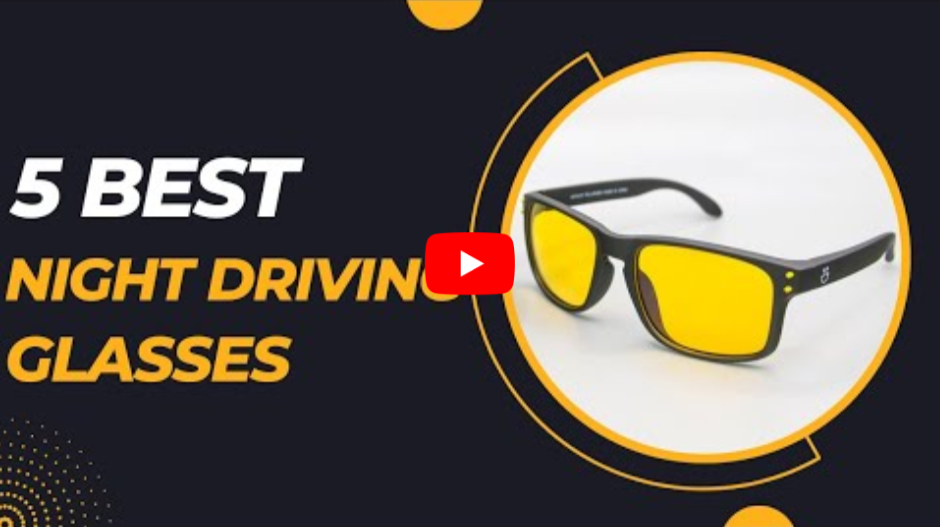

This is why night driving glasses for seniors have become an increasingly searched and discussed solution.
Night driving glasses for seniors improve safety, reduce glare, and enhance clarity. Find the best options for comfortable, confident driving at night.
But what exactly are night driving glasses? Do they really work? Are they safe for older adults? And how do you choose the right pair without compromising visibility?
In this comprehensive guide, we’ll explore everything seniors and caregivers need to know about night driving glasses, how aging affects night vision, what these glasses can and cannot do, how to choose the best option, and how to combine eyewear with smart driving habits for maximum safety.
Whether you’re a senior yourself or helping a loved one stay independent behind the wheel, this article will give you clarity and confidence.
Why Night Driving Is More Difficult for Seniors
Aging brings many positive changes: wisdom, experience, and perspective, but it also brings natural physical changes, including changes to vision.
These changes don’t mean seniors should stop driving at night altogether, but they do explain why night driving can feel increasingly difficult.
Reduced Light Transmission in the Eyes
As we age, the lens inside the eye becomes less transparent and slightly thicker. This means less light reaches the retina, the part of the eye responsible for detecting images. During the day, this reduction is barely noticeable. At night, however, when light is already limited, it can make the road appear significantly darker.
Increased Sensitivity to Glare
One of the most common complaints among senior drivers is glare from headlights. Modern vehicles often use high-intensity headlights, which can feel blinding to older eyes. Age-related changes in the eye cause light to scatter more than it did in youth, leading to glare, starbursts, and halos around lights.
Slower Adaptation to Darkness
Younger eyes adjust more quickly when moving from bright environments to dark ones. Seniors often experience slower “dark adaptation,” meaning it takes longer for vision to adjust after encountering bright headlights, illuminated intersections, or dashboard lights.
Decline in Contrast Sensitivity
Contrast sensitivity, the ability to distinguish objects from their background, often declines with age. At night, this can make it harder to spot pedestrians, animals, cyclists, or low-contrast road markings, especially in rain or fog.
What Are Night Driving Glasses?
Night driving glasses are specially designed eyewear intended to improve comfort and clarity during nighttime driving. They are marketed to reduce glare, improve contrast, and enhance visual comfort in low-light conditions.
However, not all night driving glasses are the same. Understanding the different types is essential—especially for seniors, who need to balance glare reduction with maximum visibility.
Common Types of Night Driving Glasses
- Clear lenses with anti-reflective (AR) coating
- Yellow or amber-tinted lenses
- Prescription night driving glasses
- Clip-on or fit-over night driving lenses
- Specialty lenses with proprietary coatings
Each type works differently and offers unique advantages and limitations, particularly for older drivers.
The Most Important Rule for Seniors: Avoid Over-Darkening
One critical principle seniors should understand before purchasing night driving glasses is this:
Any tinted lens reduces the amount of light entering the eyes.
While tinted lenses can reduce the harshness of bright lights, they can also make the overall scene darker. For seniors who already struggle with low-light visibility, this reduction can be counterproductive and even unsafe.
This is why many eye care professionals recommend clear lenses with high-quality anti-reflective coating as the first and often best option for seniors.
How Night Driving Glasses Help Seniors
Night driving glasses are not a magic solution, but when chosen correctly, they can provide meaningful benefits.
Potential Benefits
- Reduced glare from headlights and streetlights
- Fewer distracting reflections on the lens surface
- Improved visual comfort and reduced eye strain
- Sharper distance vision with updated prescription lenses
- Increased confidence behind the wheel at night
What They Cannot Do
- Cure cataracts or other eye diseases
- Restore youthful night vision
- Eliminate all glare in every condition
- Replace regular eye exams
- Compensate for unsafe driving habits or poor road conditions
Understanding these limits helps set realistic expectations and ensures safer use.
“Seniors’ Guide to Night Driving Glasses: Safety & Comfort Tips 👓”

Why Clear Anti-Reflective Lenses Are Often Best for Seniors
For many older adults, the safest and most effective night driving glasses are clear lenses with premium anti-reflective (AR) coating.
What Anti-Reflective Coating Does
AR coating reduces reflections from both the front and back surfaces of the lens. Without AR coating, light reflects off the lens surface and creates distracting glare—especially noticeable at night.
Why Seniors Benefit Most from AR Coating
- Maintains maximum brightness
- Reduces internal reflections that mimic glare
- Improves contrast without darkening the scene
- Works well with prescription lenses
- Enhances clarity when viewing headlights, signs, and lane markings
High-quality AR coatings also resist scratches and are easier to clean, which is especially important since even minor smudges can worsen glare at night.
Yellow and Amber Night Driving Glasses: Pros and Cons for Seniors
Yellow-tinted night driving glasses are widely marketed and heavily promoted, but they are not ideal for everyone, especially seniors.
Why Some People Like Them
- Reduce perceived harshness of bright lights
- May increase contrast perception in certain situations
- It can feel soothing to some drivers
Potential Downsides for Seniors
- Reduce total light transmission
- Make dark roads appear even darker
- Alter color perception
- May delay reaction time by reducing visibility
For seniors with already diminished night vision, these drawbacks can outweigh the benefits. If yellow lenses are used at all, they should be tested cautiously and avoided if they reduce overall clarity.
Night Driving Glasses and Cataracts: What Seniors Need to Know
Cataracts are one of the most common age-related eye conditions and a major cause of night driving difficulty. They cause clouding of the eye’s natural lens, leading to glare, halos, and reduced contrast.
Signs Cataracts May Be Affecting Night Driving
- Increasing halos around headlights
- Headlights appear excessively bright or blinding
- Difficulty seeing road signs at night
- Colors appear faded or yellowed
- Frequent prescription changes
In cases where cataracts are present, night driving glasses may provide limited relief. The glare originates inside the eye, not on the lens surface.
In such situations, a comprehensive eye exam and proper medical treatment often provide far greater improvement than glasses alone.
Choosing the Best Night Driving Glasses for Seniors
Selecting the right night driving glasses requires careful consideration. Here’s a practical checklist to help seniors make an informed decision.
1. Update Your Prescription
Even small prescription errors can worsen night glare and blur. Seniors should ensure their distance prescription is current.
2. Prioritize Anti-Reflective Coating
A premium AR coating is often more important than tint or brand name.
3. Avoid Heavy Tints
At night, visibility matters more than glare reduction. Choose clear or very lightly tinted lenses.
4. Ensure Proper Fit
Poorly fitting glasses can cause distortion, light leaks, and discomfort.
5. Look for Scratch Resistance
Scratches scatter light and increase glare, making night driving more difficult.
6. Keep Lenses Clean
Dirty lenses amplify glare. Seniors should keep a microfiber cloth in the car at all times.
Additional Ways Seniors Can Improve Night Driving Safety
Night driving glasses work best when combined with smart vehicle and driving habits.
Clean the Windshield Thoroughly
The inside of the windshield often accumulates a film that causes light streaks. Cleaning both sides can dramatically reduce glare.
Restore Headlights
Cloudy or yellowed headlights reduce forward visibility. Headlight restoration can make a noticeable difference.
Adjust Dashboard Lighting
Lower dashboard brightness to help eyes adapt to darkness.
Reduce Interior Reflections
Remove shiny dashboard items that reflect light onto the windshield.
Choose Safer Routes
Well-lit, familiar roads reduce stress and improve reaction time.
Avoid Driving When Tired
Fatigue worsens glare sensitivity and slows reaction time.
“Best Night Driving Glasses for Seniors 👓: See Better, Drive Safer”

Common Myths About Night Driving Glasses for Seniors
Myth 1: Yellow lenses are always best at night
Reality: They can reduce brightness and may be unsafe for some seniors.
Myth 2: Night driving glasses eliminate the need for eye exams
Reality: Regular eye exams are essential, especially with changing vision.
Myth 3: Stronger glasses are always better
Reality: Incorrect prescriptions can worsen night vision.
Reality: Many issues can be improved with proper eyewear, medical care, and vehicle adjustments.
The Bottom Line: Are Night Driving Glasses Worth It for Seniors?
For many older adults, the right pair of night driving glasses for seniors can make nighttime driving more comfortable and less stressful—but only when chosen wisely.
The most reliable approach usually includes:
- An up-to-date vision prescription
- High-quality anti-reflective coating
- Clear lenses that preserve brightness
- Clean, scratch-free eyewear and windshields
- Regular eye exams to address underlying conditions
Night driving doesn’t have to be frightening or exhausting. With the right tools, knowledge, and habits, seniors can maintain confidence, independence, and safety on the road long after the sun goes down.