
Night Driving Glasses for Men: Enhance Safety & Comfort

Contents
- 1 Why Night Driving Presents Unique Challenges
- 2 What Are Night Driving Glasses?
- 3 How Night Driving Glasses Improve Vision
- 4 Benefits of Night Driving Glasses for Men
- 5 Who Should Consider Night Driving Glasses?
- 6 Features to Look for in Night Driving Glasses for Men
- 7 Dispelling Common Myths About Night Driving Glasses
- 8 Prescription Night Driving Glasses: A Tailored Solution
- 9 How to Use Night Driving Glasses Effectively
- 10 Real‑Life Testimonials: What Men Are Saying
- 11 Tips for Better Night Driving Beyond Glasses
- 12 Are Night Driving Glasses Really Worth It?
- 13 Conclusion
- 14 References
Driving at night can be a serene experience, with a quiet road, a cool breeze, and smooth stretches of highway. But for many men, night driving also brings a unique set of visual challenges that can turn a pleasant evening drive into a stressful ordeal.
Glare from oncoming headlights, reduced contrast, slower visual adaptation, and increased eye strain are common problems that can make nighttime driving difficult, uncomfortable, and even dangerous.
That’s where night driving glasses for men come in. These specialized eyewear solutions are designed to reduce glare, improve clarity, and enhance contrast when light conditions are low.
“Night Driving Glasses for Men: Stay Safe & Comfortable at Night”


But what exactly makes them effective? Who should consider wearing them? And how do you choose the right pair for your needs?
Night driving glasses for men reduce glare, enhance contrast, and improve visibility, ensuring a safer and more comfortable driving in low-light conditions.
In this comprehensive guide, we’ll explore every aspect of night driving glasses from the science behind them to practical tips for choosing the best pair for your lifestyle.
Whether you’re a frequent night commuter, a long‑distance traveler, or someone who simply wants a safer drive after sunset, this article has you covered.
Why Night Driving Presents Unique Challenges
1. Human Vision and Low‑Light Conditions
The human eye is an incredible organ, capable of adjusting from bright daylight to dim moonlight. However, this adaptation is not instantaneous and becomes less efficient with age.
During the day, our eyes rely on cones, the photoreceptors responsible for detecting color and fine details.
As light levels drop at night, rods take over. Rods are more sensitive to light but lack the ability to perceive color and sharp detail. This transition results in:
- Reduced visual sharpness
- Difficulty detecting contrast
- Slower responsiveness to sudden changes in light
For men over the age of 40, this natural decline in night vision becomes more pronounced, making night driving progressively more difficult.
2. Headlight Glare and Visual Discomfort
One of the biggest complaints among night drivers is glare from headlights. Modern cars use high‑intensity headlights, LED, Xenon, and laser varieties, which produce brighter, more focused beams.
While these lights are great for illuminating the driver’s path, they often create intense glare for oncoming drivers.
Headlight glare can cause:
- Squinting and eye discomfort
- Temporary visual impairment
- Reduced reaction time
- Increased stress while driving
This glare, especially at freeway speeds or in urban traffic, can elevate anxiety and compromise driving performance.
3. Contrast Loss and Road Awareness
At night, the difference between light and dark, known as contrast, decreases substantially. Without adequate contrast, road signs, lane markings, pedestrians, and obstacles become harder to spot.
Poor contrast can lead to delayed reaction times and decreased confidence behind the wheel.
What Are Night Driving Glasses?
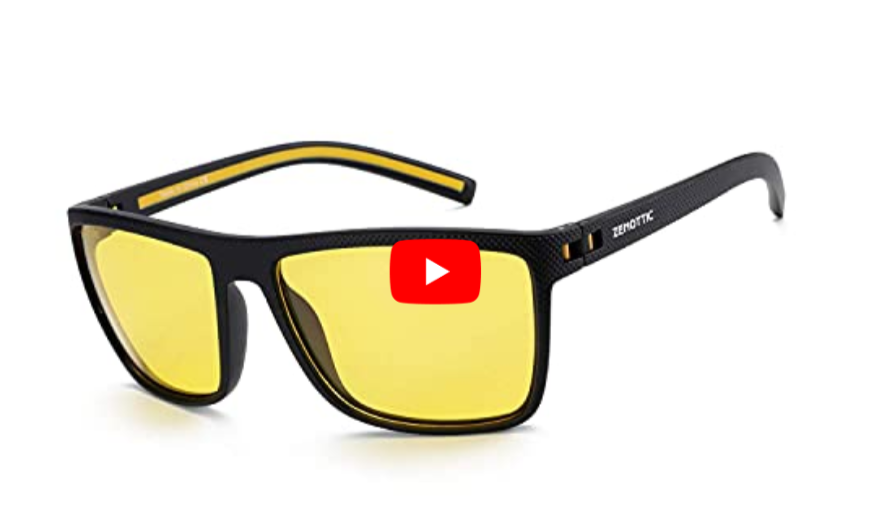
Night driving glasses are eyewear designed to enhance a driver’s vision in low‑light conditions. These glasses typically feature:
- Yellow or amber‑tinted lenses
- Anti‑reflective (AR) coatings
- Specialized filters to reduce glare
- Light‑enhancing optical technology
Unlike regular sunglasses, which darken vision, night driving glasses help improve visual clarity in dim environments by optimizing the wavelengths of light that reach the eye.
Men’s night driving glasses are often tailored for masculine styles and larger frames to fit broader face shapes, while still delivering excellent performance.
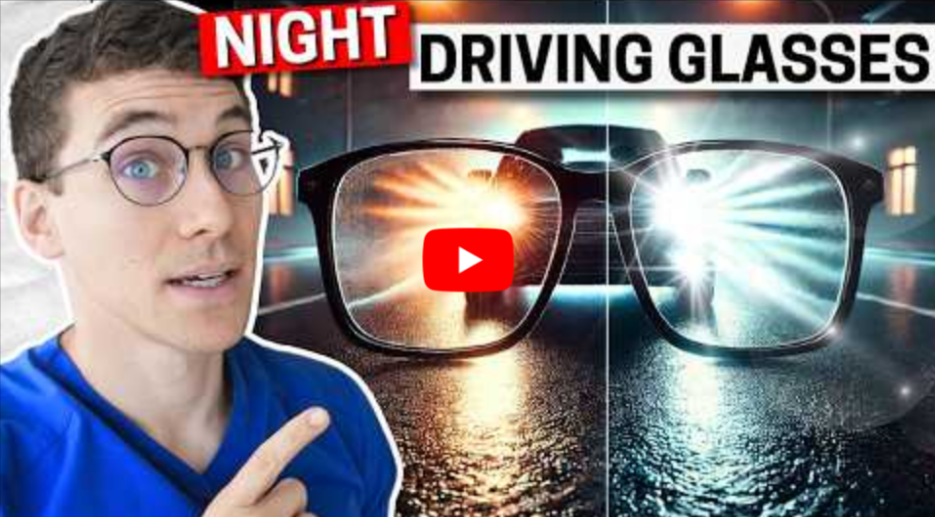
“Night Driving Glasses for Men: Reduce Glare & Improve Vision “
How Night Driving Glasses Improve Vision
Night driving glasses work through a combination of tint, coating, and optical design. Let’s break down how each component contributes to a better driving experience:
1. The Role of Yellow and Amber Tints
The most recognizable feature of night driving glasses is the yellow or amber tint. These colors are not chosen randomly; they have specific optical advantages:
- Enhance contrast: Yellow lenses improve contrast between objects and backgrounds, making it easier to see road edges, lane lines, and signage.
- Filter blue light: High‑energy blue light from headlights and streetlights scatters more easily in the eye, creating visual “noise.” Yellow tints block a portion of blue light, reducing this scatter.
- Maintain brightness: Unlike darker tints, yellow lenses don’t significantly reduce overall brightness, which is essential for night driving.
Think of the yellow tint as a visual filter that sharpens your perception without dimming the road ahead.
2. Anti‑Reflective (AR) Coating Matters Most
While yellow or amber tints enhance contrast, the anti‑reflective coating is the real powerhouse in night driving glasses. Without AR coating, light can reflect off both sides of the lens, causing internal glare that interferes with vision.
AR coatings serve to:
- Reduce reflections from headlights and streetlights
- Improve light transmission into the eye
- Minimize eye strain and visual fatigue
- Deliver clearer, crisper vision
For night driving, this coating is arguably the most important feature.
3. Glare‑Reducing Filters
Some night driving glasses also incorporate advanced filters designed to:
- Block specific wavelengths of harsh light
- Reduce halo effects around bright sources
- Provide more stable visual perception during transitions from light to dark
These filters help drivers maintain smoother visual adjustment and reduce sensory overload.
Benefits of Night Driving Glasses for Men
Night driving glasses offer a range of benefits that make them appealing to male drivers of all ages:
1. Reduced Glare and Visual Discomfort
By minimizing the intensity of lights from oncoming traffic, reflections from wet roads, and urban light pollution, night driving glasses help reduce the squinting and discomfort that commonly occur during night driving.
Many men report that their eyes feel less tired and more relaxed after wearing night driving glasses on evening trips.
2. Enhanced Contrast and Clarity
Contrast is critical for detecting objects in low‑light conditions. Night driving glasses sharpen contrast and make it easier to identify lanes, road signs, pedestrians, and potential hazards before they become a problem.
3. Reduced Eye Fatigue and Strain
Extended driving sessions at night can lead to eye fatigue, headaches, and blurry vision. Night driving glasses reduce the visual workload on the eyes, helping drivers maintain focus and comfort for longer periods.
4. Improved Confidence and Safety
For many male drivers, knowing they have equipment designed to handle nighttime challenges boosts confidence. This psychological assurance can promote safer, more relaxed driving behavior.
5. Stylish and Practical Designs
Today’s night driving glasses aren’t bulky or unattractive. Modern designs are sleek, masculine, and versatile — easily doubling as everyday eyewear for commuters and road warriors alike.
“Enhance Night Vision! Night Driving Glasses for Men”

Who Should Consider Night Driving Glasses?
Although night driving glasses can benefit almost any driver, certain groups may find them especially helpful:
✔ Men with Glare Sensitivity
If you find yourself squinting or shielding your eyes from headlights more than usual, you likely have some sensitivity to glare a prime candidate for night driving glasses.
✔ Drivers Over 30
As men age, the eye’s pupil becomes less responsive, and contrast sensitivity diminishes. This makes night vision more challenging, especially after age 30.
✔ Frequent Night Commuters
If your work schedule requires driving at night regularly — whether for shifts, social activities, or travel — night driving glasses can significantly improve your experience.
✔ Men with Mild Visual Impairments
Even if you already wear corrective lenses, night driving glasses designed for enhanced contrast and glare reduction can complement your existing eyewear.
Features to Look for in Night Driving Glasses for Men
Choosing the right pair of night driving glasses isn’t just about style — it’s about performance. Here’s what to look for:
1. High‑Quality Lens Tint
Prefer yellow, amber, or light copper tints. These enhance contrast without overly dimming vision.
2. Anti‑Reflective (AR) Coating
This is essential. A quality AR coating significantly reduces reflections and improves clarity.
3. Trusted Lens Material
Look for polycarbonate or Trivex lenses — both are lightweight, impact‑resistant, and offer excellent optical quality.
4. Comfortable Frame Design
Frames should be lightweight, grip well without pressure points, and fit securely without sliding down your nose.
5. Optional Polarization (With Caution)
Polarization reduces horizontal glare (like reflections off wet roads) but can sometimes interfere with digital displays and dashboard visibility at night. Use with caution and test for comfort.
6. UV Protection
While UV protection is often associated with daytime wear, UV rays still exist under streetlights and moonlight. Ensure your glasses include adequate UV protection.
Dispelling Common Myths About Night Driving Glasses
There’s a lot of misinformation about night driving glasses. Let’s clear it up:
Myth 1: Night Driving Glasses Let You See in Complete Darkness
Truth: Night driving glasses do not create light where none exists. They enhance contrast and reduce glare but won’t illuminate pitch‑black roads.
Myth 2: All Night Driving Glasses Are the Same
Truth: Lens quality, coatings, tint accuracy, and optical design vary widely. Cheap versions can distort vision or cause new visual issues.
Myth 3: Polarized Lenses Are Best for Night Driving
Truth: Polarized lenses help with glare from reflective surfaces but may interfere with digital displays and certain windshield coatings at night.
Prescription Night Driving Glasses: A Tailored Solution
For men who already wear corrective lenses, night driving glasses can be customized to include your prescription. This ensures:
- Optimal clarity at night
- Integrated vision correction and glare reduction
- Maximum comfort and safety
- Personalized lens features (AR coatings, tint levels)
When ordering, consult your optometrist to tailor your lenses specifically for night driving conditions.
“Night Driving Glasses for Men: Drive with Clarity & Comfort”
How to Use Night Driving Glasses Effectively
To get the most benefit, it helps to understand how and when to use your night driving glasses:
✔ Put Them On Before It Gets Dark
Wear them as soon as the light begins to fade. This helps your eyes transition smoothly.
✔ Keep Them Clean
Smudges, dust, and fingerprints scatter incoming light, reducing clarity and negating the benefits of your lenses. Use a microfiber cloth and a gentle cleaner.
✔ Replace When Scratched
Even minor scratches can distort light and create new glare problems. Replace scratched lenses promptly.
✔ Combine With Good Driving Habits
Night driving glasses are tools — not replacements for safe driving practices. Keep a safe following distance, watch your speed, and rest if tired.
Real‑Life Testimonials: What Men Are Saying
Hearing from real users helps illustrate the impact of night driving glasses.
“I used to avoid night driving because oncoming headlights would leave me squinting and stressed. These glasses have made a world of difference — the glare is manageable and the road feels more defined.”
“I commute late every night for work. Since I started wearing night driving glasses, my eyes don’t feel exhausted by the time I get home anymore.”
“I was skeptical at first, but these really do help. I can see lane markings and signs more clearly and feel safer on dark highways.”
These voices echo a common theme: reduced glare, increased clarity, and greater confidence behind the wheel.
Tips for Better Night Driving Beyond Glasses
Night driving glasses help, but good habits amplify their benefits:
1. Adjust Your Mirrors Properly
Reducing interior reflection and glare starts with correctly positioned mirrors.
2. Dim Your Dashboard Lights
Bright interior lights can reduce your ability to see outside. Lowering their intensity helps your eyes adjust to darkness.
3. Keep Your Windshield Clean (Inside and Out)
Smudges, streaks, and dirt scatter light and increase glare — clean glass makes a big difference.
4. Take Breaks on Long Trips
Even with night driving glasses, your eyes benefit from rest. Pull over if fatigue sets in.
5. Avoid Glare Triggers Before Driving
Avoid looking at bright screens right before hitting the road — extreme light transitions make it harder for your eyes to adapt.
Are Night Driving Glasses Really Worth It?
The answer depends on your individual needs — but for many men, the benefits are clear:
✔ Reduced glare and visual stress
✔ Better contrast and clearer perceptions
✔ Less eye fatigue on long drives
✔ Increased confidence at night
✔ Comfortable and stylish eyewear solutions
While night driving glasses aren’t necessary for everyone, they are a smart investment for drivers who regularly face low‑light challenges.
Conclusion
Night driving doesn’t have to be a struggle. Whether you’re commuting through city streets or cruising down dark highways, the right pair of night driving glasses for men can make a significant difference in your comfort, clarity, and safety.
With thoughtful design, quality lens technology, and the right fit, night driving glasses help reduce glare, enhance contrast, and reduce eye strain, making every evening drive safer and more enjoyable.
If you’re serious about improving your night vision and strengthening your confidence behind the wheel, consider investing in a high‑quality pair of night driving glasses tailored for men. Your eyes and your peace of mind will thank you.
References
Night Driving Glasses: Effectiveness and Alternatives
https://www.healthline.com/health/night-driving-glasses
Night Vision Problems: Halos, Blurred Vision, and Night Blindness
https://www.webmd.com/eye-health/night-vision-problems-halos-blurred-vision-night-blindness
Night Vision
https://en.wikipedia.org/wiki/Adaptation_(eye)