
Is ‘Ozempic Penis’ Real? What Science Actually Says

Contents
- 1 Understanding the Hype
- 2 What Is Ozempic? A Quick Medical Overview
- 3 The Origin of the “Ozempic Penis” Phenomenon
- 4 Medical Experts Weigh In: What Does Science Say?
- 5 So, Why Do Men Report Changes? The Hidden Penis Effect
- 6 A Visual Analogy That Makes Sense
- 7 Other Contributing Factors to Perceived Change
- 8 What About Sexual Function?
- 9 Important Clarifications from Urology Experts
- 10 Celebrity and Media Influence on the Trend
- 11 So What’s the Real Bottom Line?
- 12 Is “Ozempic Penis” Real?
- 13 Why This Matters Beyond the Buzz
- 14 Talking to Your Doctor: What You Should Know
- 15 Final Takeaway
In the world of health trends, few topics have exploded across social media recently quite like “Ozempic penis.” It’s provocative.
It’s humorous. And it has millions of people wondering: Is it real? Does Ozempic actually make your penis larger?
Is ‘Ozempic Penis’ Real?💉Doctors Explain the Viral Truth
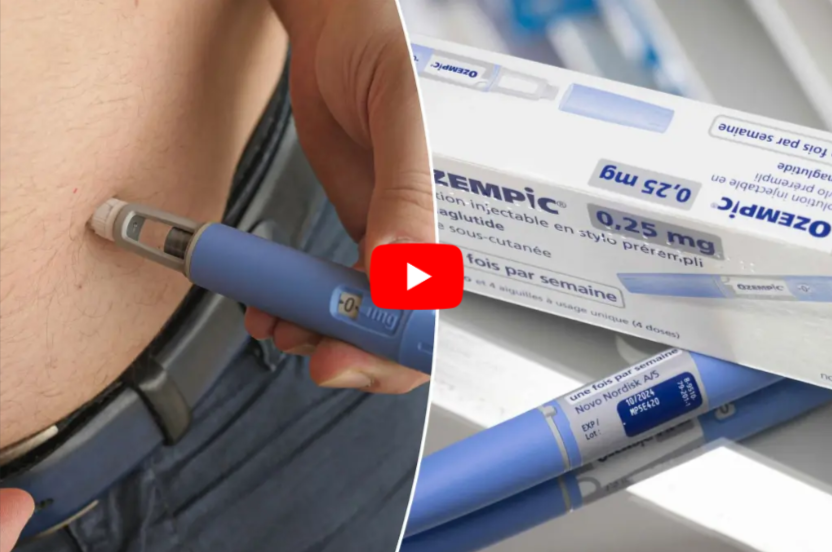

Before we dismiss the topic as internet folklore, it’s worth understanding where this idea came from, what the science says, and how it fits into broader discussions about weight loss, body image, and sexual health.
Ozempic doesn’t increase penis size, but healthy weight loss can reveal more visible length, boost confidence, improve circulation, and sexual health overall!!!
In this in-depth article, we’ll break it all down, separating fact from fiction and helping you understand whether “Ozempic penis” is medically valid, or just another online myth.
Understanding the Hype
If you’ve heard about “Ozempic penis” online, whether on Reddit, TikTok, or health news sites, you’re not alone.
The phrase refers to a trend in which some men on GLP-1 medications, especially Ozempic and similar drugs, have reported that their penis looks bigger after starting treatment.
These claims often come with anecdotal testimonials like:
“I lost weight with Ozempic and now I’m a whole inch longer!”
“My partner says I look bigger since starting the drug.”
While these stories are shared across forums and social platforms, the real question is not whether people believe it, but whether there’s any medical basis behind the belief.
What Is Ozempic? A Quick Medical Overview
To understand any potential effect Ozempic might have, it helps to first understand what the drug actually does.
Ozempic is:
- A brand name for semaglutide, a medication in a class called GLP-1 receptor agonists.
- Approved primarily for type 2 diabetes management.
- Prescribed off-label and in other formulations (like Wegovy) for weight loss due to its ability to suppress appetite and improve metabolic health.
GLP-1 medications work by:
- Enhancing insulin secretion,
- Reducing appetite,
- Slowing gastric emptying,
- Modulating gut hormones that affect hunger and energy use.
Notably, none of the known mechanisms of action involve direct effects on genital growth or penile tissue.
So how did the idea of Ozempic affecting penis size become so widespread?
The Origin of the “Ozempic Penis” Phenomenon
The term “Ozempic penis” first gained traction not through formal clinical studies, but through social media narratives, especially on platforms like Reddit.
Male users on threads such as Reddit’s r/Ozempic began sharing their personal experiences, claiming they noticed a bigger penis after taking the drug and losing weight.
Some reported measurements up to an inch longer, while others said their partners noticed the difference too.
Media outlets picked up on these posts, amplifying the reports and turning the phrase into a viral topic.
However, anecdotal social media accounts are not evidence of biological change. Still, they have sparked widespread curiosity and questions about whether there is something real behind the chatter.
Medical Experts Weigh In: What Does Science Say?
So let’s get right to the heart of the question:
Can Ozempic Actually Make Your Penis Grow?
According to medical professionals, the answer is:
No — Ozempic does not physiologically make your penis grow.
There is no scientific evidence — no peer-reviewed study, no clinical trial data — showing that semaglutide or any GLP-1 medication causes new tissue growth in the penis.
Experts regularly emphasize that:
- Penis size is largely fixed in adulthood.
- Medications that treat metabolic conditions do not stimulate penile growth.
- Biological growth of genital tissue would require mechanisms that GLP-1 drugs simply do not possess.
That shouldn’t be surprising, given that GLP-1 medications were developed for metabolic health — not for altering reproductive organs.
Ozempic Penis Explained! Is It Real or Just Weight Loss?
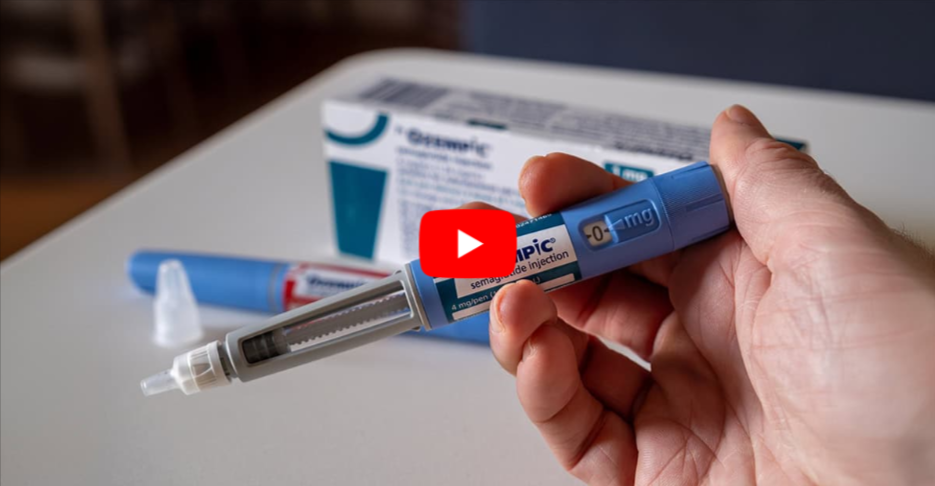
So, Why Do Men Report Changes? The Hidden Penis Effect
While Ozempic doesn’t make the penis longer biologically, there is a well-recognized explanation for why some men perceive it as longer.
The Role of Weight Loss and Pubic Fat Pads
When people gain weight — particularly around the abdomen — a layer of fat known as the mons pubis fat pad can develop above the penis. This can cause part of the penis to be visually hidden beneath the fat, a condition often referred to as:
👉 “Buried penis” or hidden penis appearance.
As weight is lost, especially significant weight loss through an effective GLP-1 like Ozempic, that fat pad shrinks. When it does:
- More of the penile shaft becomes visible,
- The penis appears longer to both the individual and their partner,
- The change can be perceived as an increase in length.
The penis itself hasn’t changed biologically — it’s just less obscured by excess fat.
This is the most widely accepted explanation among urologists and obesity specialists.
A Visual Analogy That Makes Sense
Think of it like this:
Imagine an ice cream cone buried deeper in melted ice cream. Once the extra ice cream is gone, more of the cone is visible — but the cone itself hasn’t changed size.
That’s essentially what is happening with the penis after significant weight loss:
- The visible portion increases,
- But the total anatomical length stays the same.
This is not a unique phenomenon to GLP-1 drugs — the same effect is observed after any significant weight reduction, whether from diet, exercise, surgery, or other medications.
Other Contributing Factors to Perceived Change
While fat reduction is the primary driver behind the appearance of increased size, there are a few additional factors that may affect perception:
1. Improved Blood Flow
Weight loss and improved metabolic health often enhance cardiovascular health, which in turn can improve blood circulation — including to the pelvic region.
Better blood flow can mean:
- Firmer erections,
- Greater rigidity,
- A fuller look during sexual arousal,
…which contributes to the perception of increased size, even though the anatomical structure hasn’t grown.
2. Psychological Factors
Weight loss can dramatically improve body image and self-confidence. When people feel better about their bodies, they may also perceive changes more positively, including in their sexual organs.
Enhanced confidence, mental well-being, and improved mood can all influence how individuals feel about their bodies, independent of anatomical reality.
What About Sexual Function?
Another angle worth exploring is whether Ozempic affects sexual function, since discussions around “Ozempic penis” often touch on sexual performance.
Clinical experts note that:
a. Erectile Function Can Improve with Weight Loss
Improved cardiovascular health and reduced inflammation can lead to better blood flow and improved erections in men who previously had obesity-related erectile dysfunction.
However…
b. Libido Can Be Variable
Some GLP-1 users report changes in libido or sexual desire. This is not linked to direct effects on genital size, but rather to:
- Hormonal changes,
- Shifts in reward pathways in the brain,
- Changes in desire and energy levels during periods of weight loss.
These effects are complex, personal, and not universal — but they do show that sexual health can change as overall health changes.
Important Clarifications from Urology Experts
Renowned urologists and sexual health specialists emphasize the following:
1. Penis Size Is Static in Adulthood
Once puberty is complete, penile tissue largely stops growing — much like height or shoe size in adults.
This means:
❌ Ozempic does not make penis tissue grow,
✔️ Weight loss can make more of the organ visible.
2. Proper Measurement Matters
Experts caution that people’s claims of “growth” are often based on inconsistent measurement conditions, for example:
- Different times of day,
- Different levels of erection,
- Loose vs. stretched measurements.
Without standardized measurement protocols, subjective reports are unreliable.
Celebrity and Media Influence on the Trend
Interestingly, even celebrity doctors have commented on the trend.
Dr. Terry Dubrow, a well-known plastic surgeon, discussed “Ozempic penis” on his podcast, noting that as weight drops, the penis becomes less buried under fat, hence visually larger. However, he made it clear the change was about visibility, not growth.
Such commentary increased the social buzz around the topic — blending humor, curiosity, and misinformation.
Is ‘Ozempic Penis’ Real? 💉 Shocking Truth Revealed!
So What’s the Real Bottom Line?
After examining the evidence, expert commentary, and scientific context, we can draw a clear and factual conclusion to the central question:
Is “Ozempic Penis” Real?
🔹 Yes — in perception.
Many men report feeling or seeing a difference due to reduced pubic fat and improved metabolic health.
🔹 No — in biological growth.
Ozempic does not cause actual penile tissue enlargement or growth.
🔹 The perceived change is a combination of:
- Fat loss makes more of the penis visible,
- Better circulation improves erectile firmness,
- Psychological confidence boosts body perception.
Why This Matters Beyond the Buzz
Although the phrase “Ozempic penis” may seem like internet clickbait, it reveals important truths about:
1. The Impact of Weight on Body Image
Weight distribution, particularly around the pelvis, affects how the body looks and how individuals feel about themselves. The visibility of genitalia is just one example of this broader principle.
2. How Social Media Shapes Health Perceptions
Viral anecdotes can spread faster than scientific evidence. While these stories can spark helpful conversations, it’s crucial to interpret them critically and much less as medical fact.
3. The Importance of Comprehensive Health Understanding
Understanding how metabolic health, weight loss, body confidence, and sexual function intersect helps foster a more nuanced view of wellness — one that isn’t driven by myths or quick fixes.
Talking to Your Doctor: What You Should Know
If the idea of Ozempic affecting your body in any way makes you curious or concerned, remember:
📌 Medical consultation is essential.
Discuss your goals and concerns with a healthcare provider before starting or stopping any medication.
📌 Any sudden or worrying changes in sexual function should be evaluated.
Whether it’s changes in libido, erectile performance, or sensation, these might signal deeper health issues.
📌 Weight loss has holistic effects.
Improved metabolic health, increased confidence, and better cardiovascular performance can improve many areas of life — and that deserves celebration.
Final Takeaway
“Ozempic penis” is not a medically real phenomenon in terms of penile growth, but it is real in the way improved health and weight loss can alter body appearance and sexual confidence.
It’s a perfect example of how truth and perception can become entangled online and why science, expert guidance, and thoughtful reflection remain more important than ever in navigating today’s health conversations.
Reference
-
Wikipedia (Semaglutide / Ozempic overview)
https://en.wikipedia.org/wiki/Semaglutide -
WebMD (Ozempic: Uses, How It Works & Side Effects)
https://www.webmd.com/drugs/2/drug-174491/ozempic-subcutaneous/details -
Healthline (Ozempic Penis Viral Trend Analysis)
https://www.healthline.com/health-news/ozempic-penis-glp-1-side-effect -
NCBI / PubMed (Semaglutide research review)
https://pubmed.ncbi.nlm.nih.gov/38778151/