
How to Treat Edema in Legs and Feet at Home Naturally?

Contents
- 1 What Is Edema?
- 2 Common Causes of Edema in Legs and Feet
- 3 Symptoms of Leg and Foot Edema
- 4 How to Treat Edema in Legs and Feet at Home Naturally
- 4.1 1. Elevate Your Legs
- 4.2 How to Do It
- 4.3 2. Stay Physically Active
- 4.4 3. Reduce Sodium Intake
- 4.5 4. Drink Enough Water
- 4.6 Recommended Intake
- 4.7 5. Try Compression Stockings
- 4.8 6. Gentle Massage Therapy
- 4.9 7. Epsom Salt Foot Soak
- 4.10 8. Use Natural Anti-Inflammatory Foods
- 4.11 9. Drink Herbal Teas with Natural Diuretic Effects
- 4.12 10. Practice Yoga and Stretching
- 4.13 11. Maintain a Healthy Weight
- 4.14 12. Avoid Long Periods of Sitting or Standing
- 4.15 13. Natural Essential Oils for Swelling
- 5 How to Prepare Parsley Tea
- 6 How to Prepare an Epsom Salt Soak
- 7 Lifestyle Tips to Prevent Edema
- 8 When to See a Doctor
- 9 Final Thoughts
Swelling in the legs and feet is a common health concern that affects people of all ages. Often referred to as edema, this condition occurs when excess fluid accumulates in the body’s tissues, particularly in the lower extremities.
For many individuals, edema is temporary and can occur after long periods of sitting or standing, during pregnancy, or due to certain lifestyle habits. However, in some cases, it may be related to underlying health issues such as heart, kidney, or circulation problems.
Swollen Legs & Feet? Try These Natural Edema Remedies at Home 🌿🦶
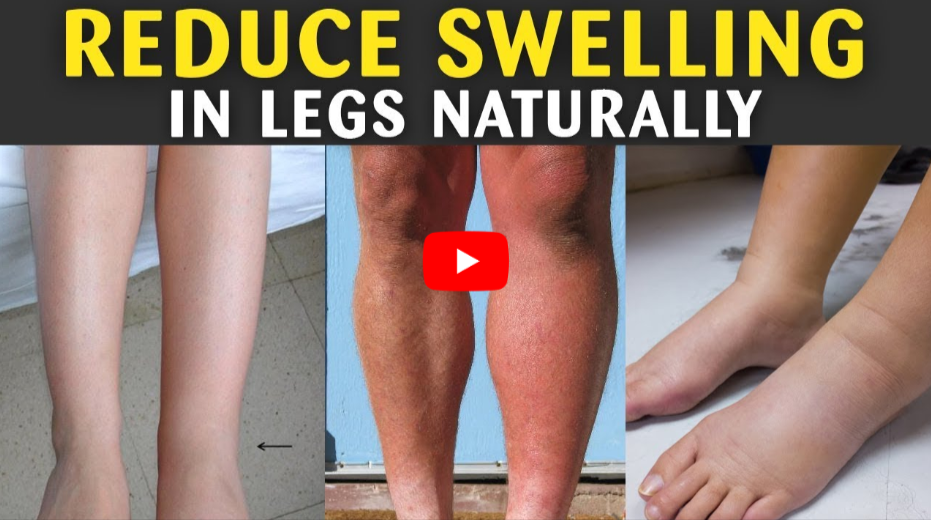

While medical treatment may be necessary for severe cases, many mild to moderate cases of leg and foot edema can be managed naturally at home through lifestyle adjustments, diet changes, and simple remedies.
Treat edema in legs and feet naturally by elevating your legs, reducing salt intake, staying active, drinking enough water, and using compression socks.
Understanding how to treat edema naturally can help relieve discomfort, reduce swelling, and improve overall circulation.
What Is Edema?
Edema is the medical term for swelling caused by fluid trapped in the body’s tissues. It most commonly occurs in the feet, ankles, and legs because gravity pulls fluid downward into the lower parts of the body.
The condition can develop suddenly or gradually and may affect one or both legs. In many cases, edema is harmless and temporary, but persistent swelling may indicate a medical condition requiring professional care.
Edema may appear as:
- Puffy or swollen legs, ankles, or feet
- Tight or shiny skin
- Difficulty moving joints
- Indentation on the skin when pressed (known as pitting edema)
Although it can feel uncomfortable, the good news is that many natural remedies can help reduce swelling and improve circulation.
Common Causes of Edema in Legs and Feet
Before treating edema naturally, it’s important to understand why it happens. Several factors can contribute to fluid retention in the lower body.
1. Prolonged Sitting or Standing
Remaining in the same position for long periods can slow blood circulation. This allows fluid to accumulate in the legs and feet.
This is common among:
- Office workers
- Long-distance travelers
- People who stand for work
2. High Salt Intake
A diet high in sodium causes the body to retain water, which can increase swelling in the lower limbs. Reducing salt intake is often recommended as part of edema management.
3. Pregnancy
Pregnant women frequently experience swelling due to hormonal changes and increased pressure on blood vessels.
4. Poor Circulation
Weak circulation makes it difficult for blood and fluids to travel back toward the heart, causing fluid buildup in the legs.
5. Dehydration
Ironically, when the body lacks water, it tends to retain fluid, which may lead to swelling.
6. Medical Conditions
In some cases, edema can be related to:
- Heart disease
- Kidney disease
- Liver problems
- Venous insufficiency
- Lymphatic disorders
If swelling is persistent, painful, or sudden, it’s essential to consult a healthcare professional.
Stop Swollen Legs & Feet! Natural Edema Remedies That Work 🦵⚡
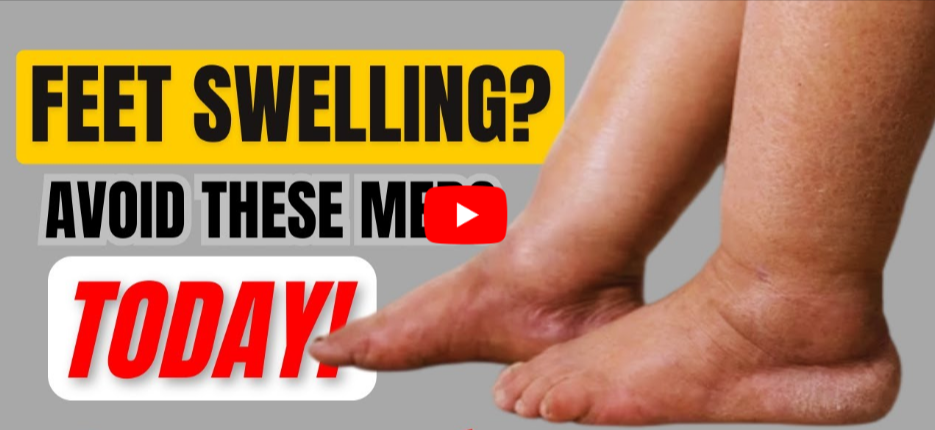
Symptoms of Leg and Foot Edema
Edema can present itself in several noticeable ways. Some of the most common symptoms include:
- Swollen ankles or feet
- Tightness in shoes or socks
- Stretched or shiny skin
- Reduced flexibility in joints
- Pitting when pressing the skin
- Heaviness in the legs
These symptoms may worsen by the end of the day or after prolonged activity.
How to Treat Edema in Legs and Feet at Home Naturally
If your swelling is mild and not related to a serious medical condition, several natural home remedies and lifestyle strategies can help relieve edema.
Below are some of the most effective methods.
1. Elevate Your Legs
One of the simplest and most effective ways to reduce swelling is to raise your legs above heart level several times a day.
Elevating the legs allows gravity to help move excess fluid back toward the heart and improve circulation.
How to Do It
- Lie down on a bed or sofa.
- Place pillows under your legs.
- Keep your feet elevated for 20–30 minutes.
- Repeat 3–4 times daily.
This method is especially helpful for people who sit or stand for long periods.
2. Stay Physically Active
Movement plays an essential role in preventing fluid buildup. When you move your muscles, they help pump fluid and blood back toward the heart.
Regular physical activity can significantly reduce swelling.
Helpful Exercises
- Walking
- Gentle stretching
- Leg lifts
- Cycling
- Yoga
Using the muscles in the affected area helps improve circulation and reduce fluid retention.
Even simple actions like moving your feet every hour can make a big difference.
3. Reduce Sodium Intake
Excess salt causes the body to retain water, which contributes to swelling.
Reducing sodium consumption is one of the most recommended lifestyle changes for managing edema.
Tips to Lower Sodium
- Avoid processed foods
- Limit packaged snacks
- Reduce fast food intake
- Choose fresh fruits and vegetables
- Read nutrition labels
Replacing salty foods with potassium-rich foods may also help balance fluid levels.
4. Drink Enough Water
Many people assume drinking less water will reduce swelling, but the opposite is often true.
When the body becomes dehydrated, it holds onto fluid, which can worsen edema. Drinking sufficient water helps the body flush excess salt and fluids.
Recommended Intake
- Aim for 6–8 glasses of water daily
- Increase intake during hot weather or exercise
- Avoid excessive alcohol or sugary beverages
Proper hydration supports kidney function and reduces fluid retention.
5. Try Compression Stockings
Compression stockings apply gentle pressure to the legs, helping prevent fluid accumulation.
These stockings improve blood circulation and support the veins in the legs.
They are particularly beneficial for:
- People who sit for long periods
- Pregnant women
- Travelers on long flights
- Individuals with circulation problems
Compression garments should fit properly and be worn as recommended by a healthcare professional.
6. Gentle Massage Therapy
Massage can stimulate circulation and help move excess fluid out of swollen areas.
Using firm but gentle strokes toward the heart can help drain fluid from the tissues.
How to Perform a Massage
- Use coconut oil or olive oil
- Start at the feet
- Move upward toward the knees
- Apply light pressure
- Massage for 10–15 minutes
Avoid deep pressure if the swelling is severe or painful.
7. Epsom Salt Foot Soak
Epsom salt baths are a popular natural remedy for swollen feet.
The magnesium sulfate in Epsom salt may help reduce inflammation and promote relaxation.
8. Use Natural Anti-Inflammatory Foods
Certain foods can help reduce inflammation and improve fluid balance.
Beneficial Foods for Edema
- Turmeric
- Ginger
- Garlic
- Leafy greens
- Berries
- Nuts and seeds
Turmeric, for example, contains curcumin, which has anti-inflammatory properties that may help reduce swelling.
Including these foods in your diet can support the body’s natural healing processes.
Natural Remedies for Edema in Legs & Feet 🦵| Home Treatment Guide
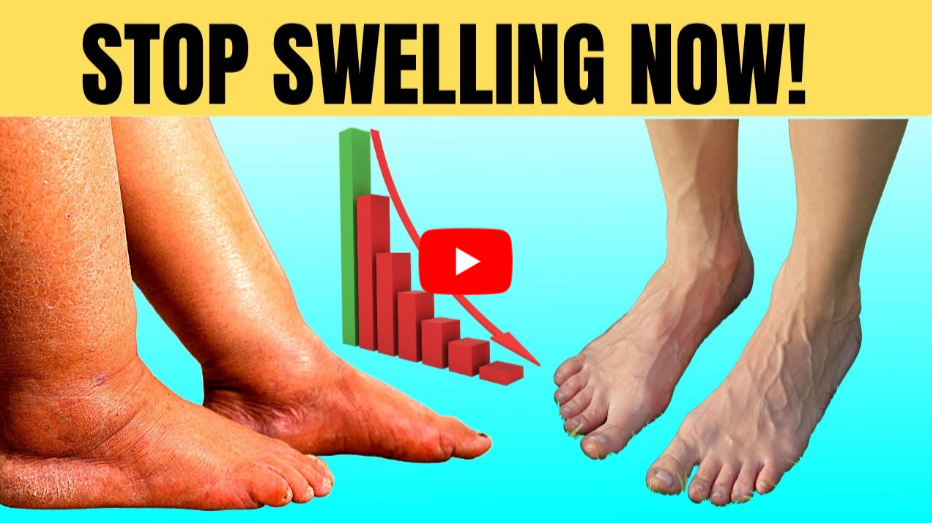
9. Drink Herbal Teas with Natural Diuretic Effects
Some herbs act as natural diuretics, helping the body remove excess fluid.
Examples include:
- Parsley tea
- Dandelion tea
- Coriander seed water
Parsley, for instance, is known for its diuretic properties and may help flush toxins and extra fluid from the body.
10. Practice Yoga and Stretching
Yoga can improve circulation, flexibility, and lymphatic flow, helping reduce swelling.
Certain poses are particularly beneficial for edema.
Helpful Yoga Poses
- Viparita Karani (Legs Up the Wall)
- Tadasana (Mountain Pose)
- Sarvangasana (Shoulder Stand)
- Setu Bandhasana (Bridge Pose)
Yoga helps enhance blood flow and stretch muscles, which may help reduce fluid retention in the limbs.
Practicing yoga regularly can also improve overall mobility and reduce stress.
11. Maintain a Healthy Weight
Being overweight places additional pressure on the veins in the legs, making it harder for blood to circulate properly.
Weight management can significantly reduce swelling and improve vascular health.
Helpful Lifestyle Changes
- Balanced diet
- Regular exercise
- Reduced sugar intake
- Portion control
Even moderate weight loss can improve symptoms.
12. Avoid Long Periods of Sitting or Standing
Remaining in the same position for extended periods can worsen edema.
If your job requires sitting or standing for long hours, try the following strategies:
- Take breaks every hour
- Walk around for a few minutes
- Stretch your legs
- Rotate your ankles
Regular movement helps maintain healthy circulation.
13. Natural Essential Oils for Swelling
Essential oils can help relax muscles and reduce inflammation when used in massage or foot baths.
Popular options include:
- Lavender oil
- Peppermint oil
- Eucalyptus oil
- Grapefruit oil
Adding a few drops of essential oil to warm water or massage oil may provide soothing relief for swollen feet.
How to Prepare Parsley Tea
- Add chopped parsley to boiling water.
- Let it steep for several minutes.
- Strain and drink.
Herbal teas should be consumed moderately and preferably under medical guidance.
How to Prepare an Epsom Salt Soak
- Fill a tub with warm water.
- Add 1–2 cups of Epsom salt.
- Soak your feet for 15–20 minutes.
- Repeat several times a week.
This method can provide soothing relief after long days of standing.
Lifestyle Tips to Prevent Edema
Prevention is always better than treatment. Adopting healthy habits can reduce the likelihood of swelling returning.
Preventive Measures
- Limit salty foods
- Stay physically active
- Drink enough water
- Maintain a healthy weight
- Wear comfortable footwear
- Elevate legs regularly
- Avoid tight clothing around the legs
These simple habits can improve circulation and help prevent fluid buildup.
When to See a Doctor
While mild swelling can be treated at home, certain symptoms require medical attention.
Consult a doctor if you experience:
- Sudden or severe swelling
- Pain or redness in the legs
- Shortness of breath
- Chest pain
- Swelling in only one leg
- Persistent edema lasting more than a few days
In some cases, edema may indicate serious health conditions such as heart failure, kidney disease, or blood clots.
Early diagnosis is essential for proper treatment.
Final Thoughts
Edema in the legs and feet can be uncomfortable, but in many cases, it can be effectively managed with natural home remedies and healthy lifestyle habits.
Simple steps such as elevating the legs, staying active, reducing sodium intake, drinking enough water, and incorporating anti-inflammatory foods can significantly reduce swelling.
Natural therapies like herbal teas, Epsom salt baths, gentle massage, and yoga can further support circulation and help the body eliminate excess fluid.
However, persistent or severe swelling should never be ignored. If symptoms continue or worsen, consulting a healthcare professional is the safest course of action.
By combining natural remedies, healthy diet choices, and proper self-care, you can reduce edema, improve circulation, and support overall leg and foot health.
References
Causes of Edema in Legs and Feet: https://www.nhs.uk/conditions/oedema/
Natural Remedies for Edema: https://www.healthline.com/health/home-remedies-for-swollen-feet