
How Does Breast Fat Transfer Work? Procedure Explained

Contents
- 1 What is Breast Fat Transfer?
- 2 Who Is a Good Candidate for Breast Fat Transfer?
- 3 How Does Breast Fat Transfer Work?
- 4 What Results Can You Expect?
- 5 Benefits of Choosing Fat Transfer Over Implants
- 6 Risks, Side Effects, and Things to Consider
- 7 The Recovery Process Explained
- 8 Realistic Expectations and Satisfaction
- 9 Fat Transfer vs. Traditional Breast Implants
- 10 Final Thoughts: Is Breast Fat Transfer Right for You?
- 11 References
Breast enhancement is one of the most frequently sought cosmetic procedures worldwide.
Traditionally, breast augmentation has involved the use of implants filled with silicone or saline. But in recent years, an increasingly popular alternative has emerged breast fat transfer.
Breast fat transfer also known as fat grafting, autologous fat transfer, or lipofilling uses your own body fat to enhance the size and shape of your breasts.
This method appeals to people seeking a more natural appearance and feel, fewer synthetic materials in their bodies, and the added benefit of contouring other areas through fat removal.
But how exactly does this procedure work? What should you expect before, during, and after the surgery? Are the results permanent?
In this detailed guide, we’ll explore everything you need to know about breast fat transfer, from the science behind it to recovery, risks, benefits, and candidacy.
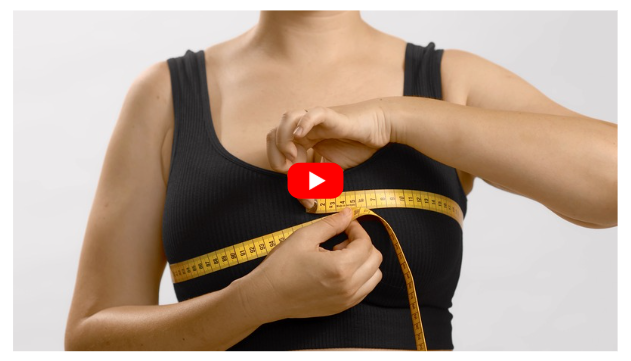

What is Breast Fat Transfer?
Breast fat transfer is a cosmetic procedure where fat is taken from one part of your body and injected into your breasts to improve size, shape, symmetry, or volume.
Instead of placing implants, your surgeon uses your own adipose (fat) tissue to augment the breasts. This makes it a truly autologous procedure “autologous” simply means the tissue comes from yourself.
This technique is different from traditional implant-based breast augmentation in that it avoids foreign materials. Because the transferred tissue is your own, there is little to no risk of rejection or allergic reaction, and the final result looks and feels natural.
Who Is a Good Candidate for Breast Fat Transfer?
Not everyone is an ideal candidate for breast fat transfer and that’s okay! Here are the most common characteristics of suitable candidates:
✔️ Natural Breast Enhancers
Women who want only a modest increase in size usually around half to one cup size may find fat transfer ideal.
✔️ Adequate Donor Fat
Since this technique harvests fat from your own body, you need to have enough excess fat in areas like the abdomen, hips, thighs, or flanks for liposuction. Someone extremely lean may not have sufficient fat for transfer.
✔️ Stable Weight
Good candidates tend to have a relatively stable weight and a healthy lifestyle. Major weight fluctuations after surgery can affect the final results.
✔️ Realistic Expectations
Fat transfer can offer a natural increase and improve shape or symmetry, but it won’t provide dramatic size increases like traditional implants can.
✔️ Good Overall Health
As with any surgery, candidates should be in good general health and cleared by their medical provider for anesthesia and liposuction.
How Does Breast Fat Transfer Work?
The fat transfer process involves three key stages:
Step 1: Fat Harvesting via Liposuction
The first stage is to collect fat from donor areas on your body. A board-certified plastic surgeon performs liposuction a minimally invasive technique to take fat from areas such as:
- Abdomen
- Thighs
- Flanks (love handles)
- Back
The liposuction targets unwanted fat and uses small cannulas (thin tubes) to gently suction out fat cells through tiny incisions.
Step 2: Purifying the Fat
After harvesting, the fat is processed to remove fluids, blood, and damaged cells. Some surgeons use centrifuge machines, while others may use filtration techniques. Purification ensures that only healthy fat cells are transferred.
Step 3: Reinjection into the Breasts
The purified fat is then carefully injected into specific layers of the breast. A skilled surgeon will distribute the fat evenly and strategically to shape and contour the breasts for a natural look.
Multiple small injections are made rather than a single large deposit. This improves fat survival and enhances overall outcomes.
What Results Can You Expect?
Natural Look and Feel
Because your own tissue is used, breasts enhanced through fat transfer typically feel soft and natural — much like your original breast tissue. There’s no unnatural firmness or sensation associated with implants.
Volume and Shape Enhancement
The procedure increases overall breast volume, smooths contours, and can improve asymmetry. If you have slight sagging, fat grafting may also help subtly improve the appearance.
Donor Area Contouring
An added benefit is that liposuction contours the donor area, slimming regions where fat is removed — giving an overall proportionate look.
Fat Survival and Long-Term Results
Some fat cells will be absorbed by your body after surgery. On average, 30-50% of the transferred fat survives long-term, and these cells become a permanent part of the breast.
Your final results will settle over a few months as swelling decreases and the surviving fat establishes blood supply.
Benefits of Choosing Fat Transfer Over Implants
Many people choose fat transfer because of its unique advantages:
✔️ No Synthetic Materials
Since the fat is your own tissue, there’s no risk of rejection or foreign body sensation.
✔️ Minimally Invasive
The incisions are small, and scarring is minimal.
✔️ Natural Results
Fat integrates seamlessly with breast tissue, resulting in a gentle and believable enhancement.
✔️ Dual Benefits
You’ll not only enhance your breasts but also reduce fat in other areas for a slimmer silhouette.
✔️ No Implant-Related Risks
There’s no risk of implant rupture, capsular contracture, or implant replacement surgery in the future.
Risks, Side Effects, and Things to Consider
While breast fat transfer is less invasive and safer than many traditional procedures, it still carries some risks including:
⚠️ Fat Reabsorption
Your body may absorb a portion of the transferred fat, which can affect final size and symmetry. It’s common for 30-50% of the injected fat to be reabsorbed over time.
⚠️ Fat Necrosis
Some fat cells may die after transfer, leading to small firm nodules or oil cysts that may feel like lumps. These are usually benign but should be evaluated by your surgeon.
⚠️ Infection
Any surgical procedure carries a risk of infection — though this risk is low with fat transfer.
⚠️ Asymmetry
Minor asymmetry is possible, and sometimes additional procedures are needed for perfect balance.
⚠️ Limited Size Increase
Fat transfer is more suited for a modest enhancement usually around a half to one cup size increase. For dramatic enlargement, implants may be more appropriate.
The Recovery Process Explained
Recovery from breast fat transfer is generally faster and less uncomfortable than implant-based surgeries, but it still requires care and patience.
Immediately After Surgery
You may experience:
- Mild to moderate swelling
- Bruising
- Tenderness
- Soreness in treated areas
These symptoms usually improve significantly within 1–2 weeks.
Activity Restrictions
- Avoid strenuous activities for 3–4 weeks
- Wear supportive garments or compression garments as recommended
- Avoid pressure on the breasts to protect the grafted fat
Following your surgeon’s instructions is critical to optimize fat survival and achieve the best results.
Final Results Timeline
It can take 3–6 months for swelling to fully subside and for the fat cells to integrate permanently into their new location.
Realistic Expectations and Satisfaction
Many patients report being very satisfied with the natural appearance and feel of their breasts after fat transfer.
However, expectations should be realistic this technique is not a substitute for dramatic implant results but is ideal for those seeking subtle, natural enhancement.
Some individuals may undergo repeat sessions to achieve their ideal size. This is a personal choice and depends on how much fat was initially transferred and how much of it survived.
Fat Transfer vs. Traditional Breast Implants
| Feature | Breast Fat Transfer | Traditional Implants |
| Tissue Source | Your own fat | Silicone or saline |
| Natural feel | ✔️ Yes | ✔️ Yes (but artificial) |
| Size Increase | Modest | Dramatic |
| Scarring | Minimal | Larger incisions |
| Long-term maintenance | None | Possible implant replacement |
| Foreign material | ❌ No | ✔️ Yes |
| Recovery time | Shorter | Longer |
Both options have their place in cosmetic surgery the best choice depends on your goals, anatomy, and consultation with your surgeon.
Final Thoughts: Is Breast Fat Transfer Right for You?
If you want a natural enhancement, are looking for gentle volume increase, and prefer to avoid synthetic implants, breast fat transfer might be an excellent option. The added benefit of body contouring and minimal scarring makes it an appealing choice for many.
However, it’s crucial to have a consultation with a qualified, board-certified plastic surgeon who can evaluate your anatomy, discuss your goals, and outline a personalized plan including potential risks and realistic outcomes.
Breast fat transfer is a powerful option in today’s cosmetic surgery world, offering a blend of natural beauty, dual-area improvement, and minimal foreign interference. With proper planning and care, it can help you achieve your aesthetic goals in a safe and satisfying way.
References
https://en.wikipedia.org/wiki/Fat_transfer
https://my.clevelandclinic.org/health/treatments/24033-fat-transfer-breast-augmentation
https://www.healthline.com/health/womens-health/fat-transfer-breast-augmentation
https://www.webmd.com/beauty/cosmetic-procedures-overview
https://www.mayoclinic.org/tests-procedures/liposuction/about/pac-20384586