
Honey Trick for Dementia – Can Honey Boost Memory?

Contents
- 1 Understanding Dementia: A Growing Global Concern
- 2 Honey: More Than a Sweetener
- 3 The Science Behind Honey and Brain Health
- 4 Honey Trick for ED, Dementia, and Inflammation: What Does Science Really Say?
- 5 Honey Trick for Dementia: Myth vs. Reality
- 6 Practical Ways to Use Honey for Brain Health
- 7 Lifestyle Factors That Help Cognitive Health
- 8 How Honey Fits into Realistic Dementia Prevention and Support
- 9 Consult Your Healthcare Provider
- 10 ⚠️ Safety and Usage Guidelines
- 11 Final Takeaway: Sweet Support, Not a Miracle Cure
- 12 Reference Links
Dementia, the progressive loss of memory and cognitive function, is one of the most feared conditions of aging. With millions worldwide affected, families and caregivers often search for practical, safe, and natural ways to support brain health.
Among the growing list of natural approaches, one rustic remedy keeps buzzing into the spotlight: the Honey Trick for Dementia. In this comprehensive guide, we explore the science, the myths, and the practical ways honey may fit into a holistic approach to brain health.
Honey Trick for Dementia: Can This Sweet Ritual Support Brain Health Naturally?


Understanding Dementia: A Growing Global Concern
Before we unpack honey’s potential role, it’s important to understand what dementia is and why the world is searching for solutions.
Dementia isn’t a single disease. Rather, it’s a term for symptoms caused by disorders affecting the brain, most notably Alzheimer’s disease, but also vascular dementia, Lewy body dementia, and others. Common features include:
- Memory loss
- Difficulty solving problems
- Language and communication issues
- Impaired cognitive processing
- Changes in personality and behavior
Current medical treatments for dementia can slow symptoms but do not cure the disease.
That’s why many people explore lifestyle and dietary strategies that may support brain health — and honey has become a talk point among these.
Honey: More Than a Sweetener
Honey is created by bees from the nectar of flowers and has been used for centuries in traditional medicine.
What makes honey intriguing from a health perspective is not just its sweetness, but its nutritional and biochemical complexity. Honey contains:
- Polyphenols (powerful antioxidants)
- Flavonoids
- Organic acids
- Vitamins and minerals
These compounds are not just nutritional, they have biological effects that have sparked scientific interest in honey’s potential neuroprotective properties. Naturally, this raises questions about honey and brain health, including dementia.
The Science Behind Honey and Brain Health
Many studies, from laboratory experiments to clinical research, suggest that honey may support brain health in several ways:
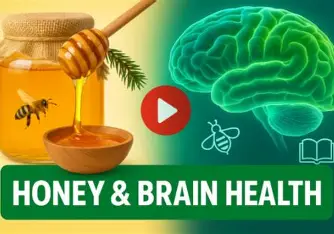
1. Antioxidants and Oxidative Stress Reduction
The brain is extremely vulnerable to oxidative stress, a process where harmful free radicals damage cells.
This oxidative stress plays a major role in aging and neurodegenerative diseases like Alzheimer’s and dementia.
Honey’s antioxidant compounds can help neutralize free radicals, reducing oxidative stress — potentially preserving neurons and cognitive function
2. Anti-Inflammatory Effects
Chronic inflammation is another major contributor to brain aging and dementia. Certain flavonoids in honey have anti-inflammatory properties, which may help calm inflammatory processes in the brain.
3. Neuroprotection and Neurotransmitter Support
Several experimental studies demonstrate that honey can affect key neurological systems:
- Modulation of cholinergic and glutamatergic systems is important for memory and learning.
- Lowered activity of acetylcholinesterase, an enzyme that degrades acetylcholine, a neurotransmitter critical for memory.
- Potential preservation of neurons under toxicity conditions in animal models.
These observations suggest honey might support neural communication and cellular health, both essential for cognitive function.
4. Memory and Cognitive Function in Research
Clinical and animal studies hint at honey’s potential to support memory:
- A long-term intervention with honey supplementation showed lower rates of dementia compared to placebo.
- In post-menopausal women, honey supplementation was linked with improved verbal learning and memory comparable to hormone therapy.
- In animal studies, different honeys improved spatial memory and supported memory-associated brain pathways.
Collectively, these studies illustrate a possible role for honey as a complementary approach to supporting cognitive health, not as a cure.
Honey Trick for Dementia | Can This Simple Remedy Support Memory?
Honey Trick for ED, Dementia, and Inflammation: What Does Science Really Say?
Honey has been used in traditional medicine for thousands of years, often praised for its healing, energizing, and restorative properties.
Recently, the so-called “Honey Trick” has gained online attention for its supposed ability to improve erectile dysfunction (ED), support brain health in dementia, and reduce chronic inflammation.
While honey is not a cure for any medical condition, modern research suggests it may offer supportive benefits when used correctly and as part of a healthy lifestyle.
Let’s examine how honey may influence each of these areas — and where expectations need to remain realistic.
Honey Trick for Dementia: Myth vs. Reality
If you’ve seen claims online that honey can reverse Alzheimer’s in just weeks or “cure dementia,” it’s important to separate scientific evidence from marketing hype.
The Viral “Honey Trick Recipe” — Scam Alerts
Recently, slick online ads have touted a “secret honey trick” often combining rare honey and plant extracts, suggesting miraculous memory restoration.
However, investigative reports and fact-checking show these viral ads are largely marketing scams, often using fake endorsements and exaggerated claims with no credible scientific backing.
Here’s the reality:
- Honey is not a cure for dementia or Alzheimer’s
- No clinical trials show honey can reverse advanced cognitive decline
- Viral ads claiming a miracle recipe are unverified and often misleading
👉 What is supported? Responsible research suggests honey may support brain health as part of a balanced approach.
Practical Ways to Use Honey for Brain Health
If you’re curious about how honey might fit into a brain-friendly lifestyle, here are evidence-aligned ways to incorporate it, safely and sensibly:
1. Choose Raw, Unprocessed Honey
Raw honey retains the most bioactive compounds compared to highly processed varieties. Options like Manuka, Tualang, or local raw honey are often recommended for health benefits.
2. Daily Habit — Mindful Consumption
Moderation is key — about one tablespoon (15 g) per day is reasonable for most adults. Enjoy it:
- Drizzled on oatmeal or yogurt
- Stirred into herbal teas
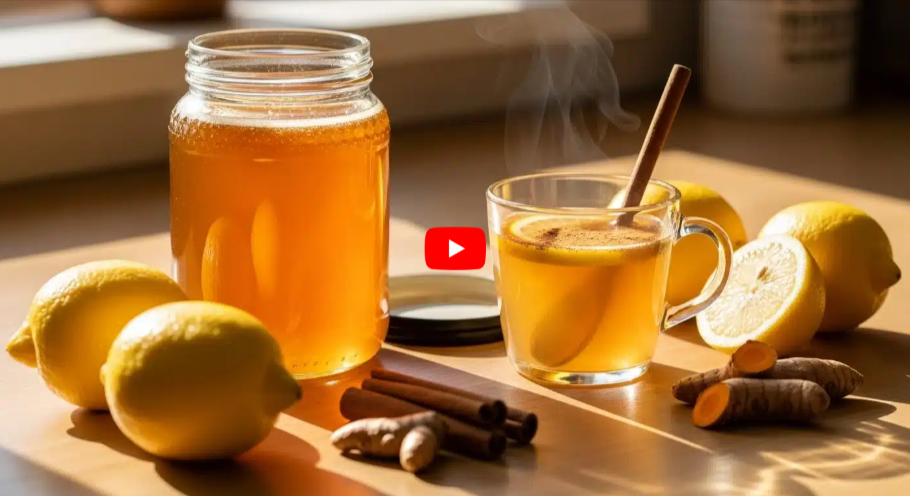
- Mixed with warm water and lemon
This can make a delightful and antioxidant-rich addition to your diet.
3. Pair with Brain-Healthy Foods
Honey works best as part of a holistic brain health strategy:
- Omega-3-rich foods (fish, flaxseed)
- Berries and colorful fruits (rich in flavonoids)
- Leafy greens and vegetables
- Whole grains and nuts
Together, these foods support memory, inflammation management, and vascular health — all vital to cognition.
4. Avoid Misuse or Overconsumption
While honey can be beneficial, excessive intake isn’t recommended due to its high natural sugar content, especially for people with diabetes or metabolic syndrome.
And remember, never give honey to infants under one year due to the risk of botulism.
Lifestyle Factors That Help Cognitive Health
Honey may be just one part of a bigger picture. Research shows that dementia risk and progression are influenced by lifestyle factors:
🏃♂️ Exercise
Aerobic activity increases blood flow to the brain, supports new neuron growth, and slows cognitive decline.
🧩 Mental Stimulation
Puzzles, learning new skills, and social engagement help keep neural networks strong.
🛌 Sleep Quality
Poor sleep is linked to memory problems and the accumulation of amyloid plaques, one of Alzheimer’s hallmarks.
🥗 Healthy Diet
Foods rich in antioxidants, healthy fats, and vitamins support overall brain resilience.
How Honey Fits into Realistic Dementia Prevention and Support
At this point, it’s clear that the “Honey Trick for Dementia” is not a quick fix, but honey does have properties consistent with supporting brain health:
| Benefit | Evidence Status |
| Antioxidant support | Strong preclinical support |
| Anti-inflammatory action | Supported by lab studies |
| Neurotransmitter modulation | Preclinical evidence |
| Reduced cognitive decline with long-term use | Some clinical evidence |
| Reversal of dementia | No proven evidence |
So the sweet truth? Honey may support brain health, especially when used as part of a nutrient-dense diet and healthy lifestyle, but it is not a cure for dementia.
Consult Your Healthcare Provider
Before making any major changes or trying honey for therapeutic purposes:
✔ Talk to a physician or neurologist
✔ Review medication interactions
✔ Consider individualized nutritional advice
This is especially crucial for people with metabolic diseases, allergies, or advanced cognitive impairment.
⚠️ Safety and Usage Guidelines
To use honey safely:
- Limit intake to 1–2 teaspoons daily
- Choose raw, unprocessed honey
- Avoid overheating honey
- Monitor blood sugar levels
- Consult a healthcare provider if diabetic or on medications
Final Takeaway: Sweet Support, Not a Miracle Cure
The idea of a “Honey Trick for Dementia” makes for intriguing headlines, but the science reveals a far more nuanced reality:
👉 Honey has promising neuroprotective and antioxidant properties that may support cognitive health, but should not be construed as a standalone cure for dementia or Alzheimer’s disease.
By adopting honey as part of a well-rounded, brain-healthy lifestyle, including balanced nutrition, physical activity, mental stimulation, and medical guidance, you give your brain the best chance to stay sharp and resilient.
After all, nourishing your mind is about patterns and habits, not quick fixes, and honey can be a sweet part of that journey.
Reference Links