
Gingerbread Nails Fungus: Causes, Symptoms & Treatment

Contents
- 1 What Is Gingerbread Nail Fungus?
- 2 Understanding Nail Fungus (Onychomycosis)
- 3 Why Gingerbread Nails Fungal Infections Develop
- 4 Risk Factors That Increase Susceptibility
- 5 Signs and Symptoms of Gingerbread Nails Fungus
- 6 Is Gingerbread Nails Fungus Dangerous?
- 7 How Nail Fungus Is Diagnosed
- 8 Treatment Options for Gingerbread Nails Fungus
- 9 Home Remedies: Helpful or Harmful?
- 10 Prevention: How to Protect Your Nails
- 11 Common Myths About Gingerbread Nail Fungus
- 12 When to See a Healthcare Professional
- 13 Final Thoughts
In recent times, the internet has been buzzing with a peculiar and unsettling term — “Gingerbread Nails Fungus.”
While the phrase may sound playful or festive, the condition it describes is anything but. Behind this viral nickname lies a real and potentially serious medical issue known as nail fungus, or onychomycosis.
Gingerbread Nails Fungus EXPOSED – Signs You Shouldn’t Ignore


Gingerbread Nails Fungus describes advanced nail fungus where nails become thick, brown, and crumbly, often caused by untreated fungal infections.
This comprehensive guide is designed to give you a deep understanding of Gingerbread Nails Fungus, what it is, why it happens, how to recognize it early, and the most effective ways to treat and prevent it.
Whether you’re concerned about your own nail health or simply curious about this trending term, this article provides everything you need to know in one place.
What Is Gingerbread Nail Fungus?
“Gingerbread Nails” is not a medical diagnosis. Instead, it is a social media term used to describe severely infected nails that appear brown, thick, crusty, cracked, or uneven — often resembling the texture and color of gingerbread cookies.
The term gained popularity after viral videos showed extreme cases of nail infections that had gone untreated for extended periods.
Medically, these nails are affected by onychomycosis, a fungal infection that attacks the nail plate, nail bed, and surrounding skin.
The infection progresses slowly and may go unnoticed in its early stages, but when ignored, it can lead to dramatic nail changes the kind that sparked the “gingerbread nails” nickname.
Understanding Nail Fungus (Onychomycosis)
What Is Nail Fungus?
Nail fungus is a common infection caused by fungi that thrive in warm, moist environments. These organisms feed on keratin, the protein that makes up nails, hair, and skin.
Once the fungus enters through tiny cracks or separations in the nail, it begins to multiply beneath the nail surface.
There are three primary categories of fungi responsible for nail infections:
- Dermatophytes – The most common cause of toenail fungus
- Yeasts – More commonly affect fingernails
- Non-dermatophyte molds – Less common but often more resistant
Toenails are affected more frequently than fingernails because they are more often enclosed in shoes, creating a warm and damp environment ideal for fungal growth.
Why Gingerbread Nails Fungal Infections Develop
Common Causes
Fungal nail infections typically begin when fungi come into contact with the nail through:
- Public showers, swimming pools, or locker rooms
- Walking barefoot in communal areas
- Using unsterilized nail tools
- Wearing damp socks or shoes for long periods
- Minor nail injuries that allow fungal entry
Once inside, the fungus spreads gradually, feeding on keratin and altering the structure of the nail.
Risk Factors That Increase Susceptibility
Certain individuals are more likely to develop Gingerbread Nails Fungus due to underlying conditions or lifestyle habits:
- Advanced age – Nail growth slows, and circulation decreases
- Excessive sweating – Creates moisture that promotes fungal growth
- Diabetes – Impairs circulation and immune response
- Weakened immune system – Reduces the body’s ability to fight infection
- Poor foot hygiene – Increases fungal exposure
- Tight or non-breathable footwear – Traps moisture
- Athlete’s foot – Can spread from skin to nails
Understanding these risk factors is essential for both prevention and early intervention.
Signs and Symptoms of Gingerbread Nails Fungus
Fungal nail infections develop gradually, and symptoms often worsen over time. Early detection can prevent severe nail damage.
Early Symptoms
- White or yellow spots on the nail
- Slight nail thickening
- Mild discoloration
- Dull or cloudy nail appearance
Advanced Symptoms (Gingerbread Nails Stage)
- Brown, yellow, or black discoloration
- Thickened, distorted nail shape
- Brittle or crumbly nail texture
- Cracked or jagged nail edges
- Nail lifting away from the nail bed
- Accumulated debris under the nail
- Unpleasant odor
At this stage, the nail may appear rough, uneven, and hardened — the classic appearance associated with Gingerbread Nails Fungus.
Gingerbread Nails Fungus Treatment Options 💊🍪 What Works?
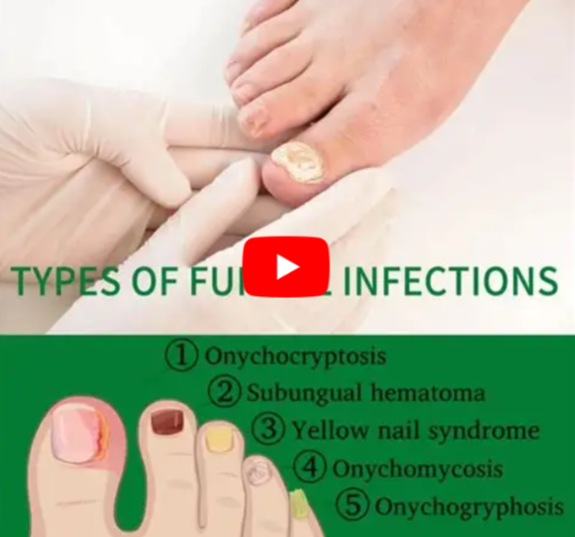
Is Gingerbread Nails Fungus Dangerous?
While nail fungus is rarely life-threatening, it should not be ignored. Untreated infections can lead to:
- Chronic pain and discomfort
- Secondary bacterial infections
- Permanent nail damage
- Difficulty walking or using hands
- Increased risk of complications in diabetic patients
In individuals with compromised immune systems, fungal infections may spread more easily and become more difficult to treat.
How Nail Fungus Is Diagnosed
A healthcare provider may diagnose nail fungus through:
- Visual examination of the nail
- Microscopic analysis of nail clippings
- Laboratory cultures to identify the type of fungus
Accurate diagnosis is essential because other conditions, such as psoriasis or nail trauma, can mimic fungal infections.
Treatment Options for Gingerbread Nails Fungus
Treating nail fungus requires patience and consistency. Because nails grow slowly, visible improvement may take months.
Prescription Oral Antifungal Medications
Oral antifungals are often prescribed for moderate to severe infections. These medications work from within the body to eliminate fungal growth as the nail grows out.
Common benefits:
- Higher success rates
- Effective for advanced infections
Potential considerations:
- Requires medical supervision
- May involve liver function monitoring
Topical Antifungal Treatments
Topical treatments include medicated nail lacquers, solutions, or creams applied directly to the affected nail.
Best for:
- Mild to moderate infections
- Patients are unable to take oral medications
Limitations:
- Slower results
- Less effective for thick nails
Laser Therapy
Laser treatment uses concentrated light energy to penetrate the nail and destroy fungal organisms. While results vary, it may be used alongside other treatments.
Nail Removal (Severe Cases)
In advanced Gingerbread Nails Fungus cases, partial or complete nail removal may be necessary to allow healthy nail regrowth.
Home Remedies: Helpful or Harmful?
Home remedies are often used alongside medical treatments, but should not replace professional care in advanced cases.
Commonly Used Natural Approaches
- Tea tree oil – Known for antifungal properties
- Apple cider vinegar soaks – May inhibit fungal growth
- Oregano oil – Contains antifungal compounds
- Baking soda – Helps absorb moisture
- Probiotics – Support immune health
While some individuals report improvement, scientific evidence remains limited. Home remedies are best used as supportive measures rather than standalone cures.
Is Gingerbread Nails Fungus Contagious? Full Breakdown
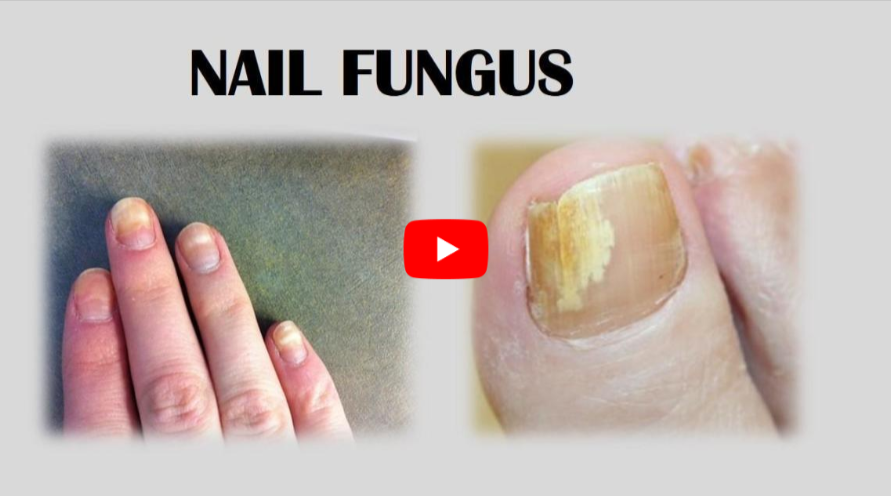
Prevention: How to Protect Your Nails
Preventing nail fungus is far easier than treating it. Simple habits can significantly reduce your risk.
Nail and Foot Hygiene Tips
- Wash feet daily and dry thoroughly
- Keep nails trimmed and clean
- Avoid sharing nail tools
- Disinfect nail clippers regularly
- Change socks daily
- Choose breathable footwear
- Rotate shoes to allow drying
- Use antifungal powders if prone to sweating
Public Space Precautions
- Wear sandals in communal showers
- Avoid walking barefoot in locker rooms
- Ensure nail salons follow strict hygiene standards
Common Myths About Gingerbread Nail Fungus
Myth 1: Nail Fungus Is Just Cosmetic
Truth: It’s a medical infection that can worsen without treatment.
Myth 2: All Thick Nails Are Fungal
Truth: Nail trauma, psoriasis, and aging can cause similar changes.
Myth 3: One Treatment Works for Everyone
Truth: Treatment depends on severity, nail type, and individual health.
When to See a Healthcare Professional
Seek medical attention if:
- The nail becomes painful or swollen
- Infection spreads to the surrounding skin
- Nails become severely thickened or distorted
- You have diabetes or an immune condition
- Home treatments show no improvement
Early intervention leads to better outcomes and prevents long-term damage.
Final Thoughts
“Gingerbread Nails Fungus” may have started as a viral phrase, but it highlights a real and often overlooked health concern.
Nail fungus is common, persistent, and sometimes difficult to treat — but it is manageable with the right approach.
By understanding the causes, recognizing symptoms early, practicing good hygiene, and seeking professional care when necessary, you can protect your nails and prevent severe infections.
Healthy nails are more than cosmetic; they are an essential part of overall wellness.

References
Nail Fungus: Symptoms and Causes: https://www.mayoclinic.org/diseases-conditions/nail-fungus/symptoms-causes/syc-20353294
Ringworm and Fungal Nail Infections Basics: https://www.cdc.gov/ringworm/about/index.html
Fungal Nail Infections Guide: https://www.webmd.com/skin-problems-and-treatments/guide/fungal-nail-infections-topic-overview
Onychomycosis (Fungal Nail Infection): https://en.wikipedia.org/wiki/Onychomycosis