
Digestive Enzymes vs Probiotics: What’s the Difference?

Contents
- 1 Understanding Digestive Health
- 2 What Are Digestive Enzymes?
- 3 Types of Digestive Enzymes
- 4 Benefits of Digestive Enzymes
- 5 What Are Probiotics?
- 6 Benefits of Probiotics
- 7 Digestive Enzymes vs Probiotics: Key Differences
- 8 When Should You Take Digestive Enzymes?
- 9 When Should You Take Probiotics?
- 10 Can You Take Digestive Enzymes and Probiotics Together?
- 11 Natural Sources of Digestive Enzymes
- 12 Natural Sources of Probiotics
- 13 Signs Your Gut Health May Need Support
- 14 Digestive Enzymes vs Probiotics: Which One Is Better?
- 15 Tips for Maintaining a Healthy Digestive System
- 16 Final Thoughts
- 17 References
Digestive health has become one of the most discussed topics in modern wellness—and for good reason.
Your digestive system is responsible for breaking down food, absorbing nutrients, supporting immunity, and even influencing mood and overall well-being.
When digestion doesn’t function properly, it can lead to symptoms like bloating, gas, indigestion, irregular bowel movements, and fatigue.
In the search for better gut health, two supplements frequently come up: digestive enzymes and probiotics. While both play important roles in digestion and gut health, they work in very different ways.
Your Gut Needs This! Digestive Enzymes vs Probiotics Explained
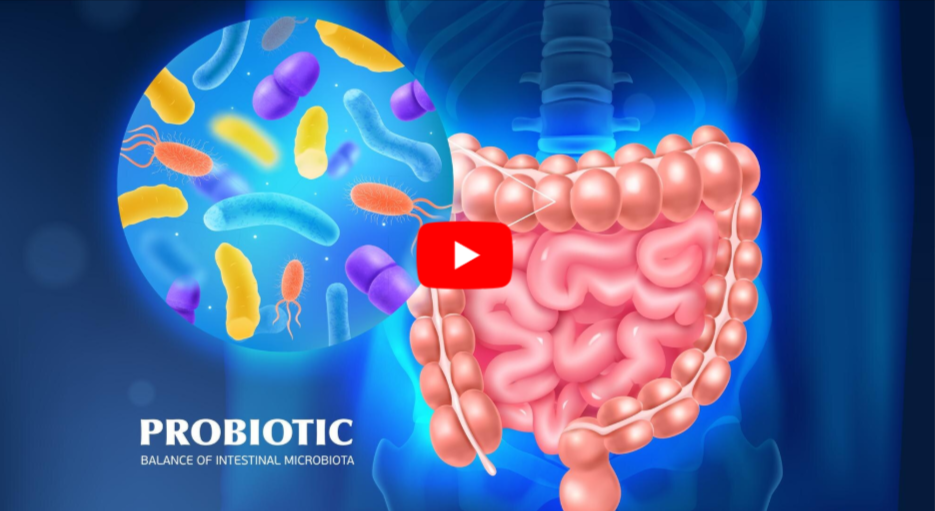

Digestive enzymes vs probiotics explained. Learn the differences, benefits, and how each supports digestion and gut health to help you choose the right option.
Understanding the differences between digestive enzymes vs probiotics can help you choose the right solution for your needs.
In this detailed guide, we’ll explore how digestive enzymes and probiotics work, their benefits, key differences, when to take them, and whether you can use them together for optimal digestive health.
Understanding Digestive Health
Before comparing digestive enzymes and probiotics, it’s important to understand how digestion works.
Digestion is a complex process where the body breaks dow
n food into smaller molecules that can be absorbed into the bloodstream. The digestive system includes several organs such as the mouth, stomach, pancreas, liver, and intestines. Each part plays a unique role in breaking down carbohydrates, proteins, and fats.
To support this process, the body relies on two important components:
- Digestive enzymes, which break down food into absorbable nutrients.
- Gut bacteria, including beneficial microbes known as probiotics, which help maintain a healthy gut environment.
When either of these systems becomes imbalanced, digestive problems can occur.
What Are Digestive Enzymes?
Digestive enzymes are specialized proteins produced by the body that help break down food into smaller molecules. Without these enzymes, the body would not be able to properly digest and absorb nutrients from food.
They are produced in several parts of the digestive system, including the salivary glands, stomach, small intestine, and pancreas.
Among these, the pancreas plays a particularly important role in releasing key digestive enzymes needed for nutrient absorption.
Types of Digestive Enzymes
Different enzymes are responsible for breaking down different nutrients:
1. Amylase: Amylase breaks down carbohydrates into simple sugars that the body can absorb.
2. Protease: Protease breaks down proteins into amino acids, which are essential for muscle repair and other body functions.
3. Lipase: Lipase helps break down fats into fatty acids and glycerol.
4. Lactase: Lactase is responsible for digesting lactose, the sugar found in dairy products.
5. Sucrase: Sucrase breaks down sucrose (table sugar) into glucose and fructose.
These enzymes work together to ensure that food is properly digested and nutrients are efficiently absorbed by the body.
Benefits of Digestive Enzymes
Digestive enzymes play a vital role in maintaining digestive health and supporting overall wellness.
1. Improved Nutrient Absorption
Digestive enzymes break down complex nutrients into smaller molecules that the body can easily absorb and use for energy and cellular functions.
2. Reduced Bloating and Gas
When food is not properly digested, it can ferment in the gut and produce gas. Enzymes help break down food efficiently, reducing bloating and discomfort.
3. Support for Food Intolerances
Certain enzyme deficiencies can lead to food intolerances. For example, lactase deficiency can cause lactose intolerance.
4. Relief from Indigestion
Digestive enzyme supplements may help individuals experiencing indigestion, acid reflux, or discomfort after meals.
5. Assistance with Digestive Disorders
Some medical conditions reduce the body’s ability to produce digestive enzymes. In such cases, enzyme supplements may be recommended under medical supervision.
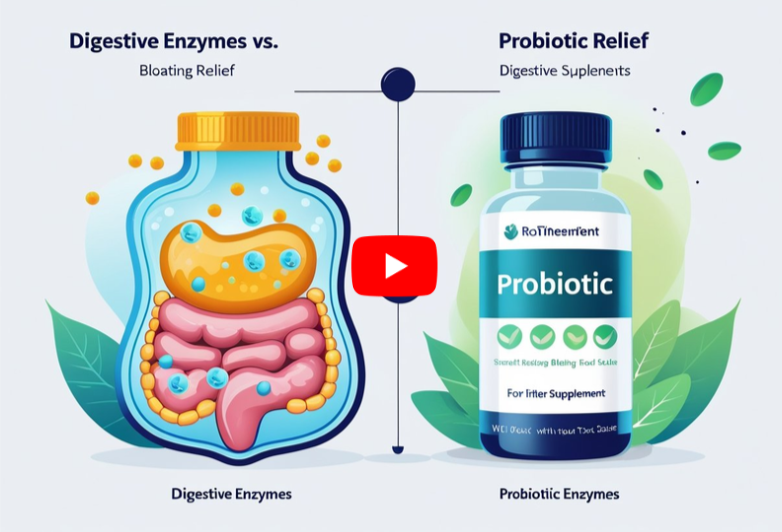
Fix Your Digestion Fast!⚡Enzymes vs Probiotics 🦠
What Are Probiotics?
While digestive enzymes focus on breaking down food, probiotics work by supporting the gut microbiome.
Probiotics are live microorganisms—mainly beneficial bacteria and yeasts—that help maintain a healthy balance of gut bacteria.
The human digestive system contains trillions of microorganisms collectively known as the gut microbiome. When the balance between beneficial and harmful bacteria is disrupted, it can lead to digestive issues and other health concerns.
Probiotics help restore and maintain this balance.
Common Probiotic Strains
Some of the most common probiotic microorganisms include:
- Lactobacillus
- Bifidobacterium
- Saccharomyces boulardii
These beneficial microbes can be found in fermented foods such as yogurt, kefir, kimchi, sauerkraut, and miso.
Benefits of Probiotics
Probiotics offer several benefits for digestive and overall health.
1. Improved Gut Microbiome Balance
Probiotics replenish beneficial bacteria in the digestive system and help maintain microbial balance.
2. Better Digestion
These microorganisms assist in breaking down certain food components and producing beneficial compounds that support digestion.
3. Enhanced Immune Function
A large portion of the immune system resides in the gut, and probiotics help support immune responses by maintaining gut health.
4. Reduced Digestive Symptoms
Probiotics may help relieve common digestive issues such as bloating, constipation, and diarrhea.
5. Support After Antibiotic Use
Antibiotics can disrupt the balance of gut bacteria. Probiotics help restore beneficial microbes after antibiotic treatments.
Digestive Enzymes vs Probiotics: Key Differences
Although both support digestive health, digestive enzymes and probiotics function in very different ways.
| Feature | Digestive Enzymes | Probiotics |
|---|---|---|
| What they are | Proteins that break down food | Live beneficial bacteria |
| Main function | Help digest nutrients | Maintain healthy gut bacteria |
| Immediate effect | Yes, help during digestion | Long-term gut health support |
| Where they work | In the digestive tract, during food breakdown | Primarily in the intestines |
| Primary benefit | Nutrient digestion and absorption | Gut microbiome balance |
Digestive enzymes act directly on food, breaking it down so the body can absorb nutrients. Probiotics, on the other hand, influence the gut environment by supporting beneficial bacteria.
When Should You Take Digestive Enzymes?
Digestive enzymes may be beneficial for individuals who experience:
- Frequent bloating after meals
- Gas or indigestion
- Difficulty digesting certain foods
- Lactose intolerance
- Pancreatic enzyme insufficiency
- Nutrient malabsorption
Enzyme supplements are often taken with meals to help break down food more effectively.
When Should You Take Probiotics?
Probiotics may be helpful for people experiencing:
- Irregular bowel movements
- Antibiotic-related digestive issues
- Gut microbiome imbalance
- Chronic bloating
- Immune health concerns
- Digestive discomfort linked to bacterial imbalance
They are usually taken daily to support long-term gut health.
Can You Take Digestive Enzymes and Probiotics Together?
Yes, digestive enzymes and probiotics can often be taken together because they perform complementary roles in digestive health.
Digestive enzymes help break down food during digestion, while probiotics support the gut microbiome and help maintain a balanced intestinal environment.
Using both may be particularly beneficial for individuals dealing with:
- Chronic digestive discomfort
- Irritable bowel symptoms
- Gut microbiome imbalance
- Poor nutrient absorption
Together, they support both the digestion process and the health of the gut ecosystem.
Digestive Enzymes vs Probiotics 🥗 Better Digestion Starts Here!
Natural Sources of Digestive Enzymes
While the body produces digestive enzymes naturally, certain foods also contain enzymes that may support digestion.
Examples include:
- Pineapple
- Papaya
- Mango
- Avocado
- Banana
- Honey
- Ginger
Including these foods in your diet may help support natural digestive processes.
Natural Sources of Probiotics
Probiotic-rich foods help maintain healthy gut bacteria.
Common probiotic foods include:
- Yogurt
- Kefir
- Kimchi
- Sauerkraut
- Miso
- Tempeh
Regularly consuming fermented foods can help support a healthy gut microbiome.
Signs Your Gut Health May Need Support
Many people don’t realize their digestive system needs support until symptoms appear.
Common signs include:
- Bloating
- Gas
- Acid reflux
- Irregular bowel movements
- Fatigue
- Brain fog
- Skin issues
- Food intolerances
These symptoms may indicate problems with digestion, enzyme production, or gut bacteria balance.
Digestive Enzymes vs Probiotics: Which One Is Better?
The answer depends on your specific digestive needs.
Choose Digestive Enzymes If:
- You struggle to digest certain foods
- You feel heavy or bloated after meals
- You have enzyme deficiencies
Choose Probiotics If:
- You want to support gut bacteria balance
- You recently took antibiotics
- You experience irregular digestion
Consider Both If:
- You want comprehensive digestive support
- You have chronic digestive discomfort
- You want to improve nutrient absorption and gut health simultaneously
Since they support digestion in different ways, digestive enzymes and probiotics are not interchangeable—they are complementary tools for better gut health.
Tips for Maintaining a Healthy Digestive System
Whether you choose digestive enzymes, probiotics, or both, lifestyle habits play a crucial role in digestive health.
1. Eat a Balanced Diet
Focus on whole foods rich in fiber, vitamins, and nutrients.
2. Stay Hydrated
Water helps digestion and nutrient absorption.
3. Manage Stress
Stress can negatively impact gut health and digestion.
4. Exercise Regularly
Physical activity supports healthy digestion and bowel movements.
5. Get Enough Sleep
Quality sleep helps regulate many body systems, including digestion.
Final Thoughts
Digestive health is fundamental to overall wellness, influencing everything from nutrient absorption to immune function and energy levels.
When comparing digestive enzymes vs probiotics, it’s important to remember that they serve different purposes:
- Digestive enzymes help break down food and improve nutrient absorption.
- Probiotics support the gut microbiome and maintain bacterial balance.
Rather than choosing one over the other, many individuals benefit from using both as part of a comprehensive digestive health strategy.
By understanding how digestive enzymes and probiotics work, you can make informed decisions about your digestive health and take proactive steps toward better gut function and overall well-being.
References
What Are Digestive Enzymes?
https://www.webmd.com/digestive-disorders/what-are-digestive-enzymes
Digestive Enzymes: Benefits, Side Effects, and Sources
https://www.healthline.com/nutrition/digestive-enzymes
Probiotics
https://www.nccih.nih.gov/health/probiotics-what-you-need-to-know
Digestive Enzyme
https://en.wikipedia.org/wiki/Digestive_enzyme
How useful was this post?
Click on a star to rate it!
Average rating 5 / 5. Vote count: 581
No votes so far! Be the first to rate this post.