
Bedtime Warm Water Trick for Diabetes Control Naturally

Contents
- 1 Bedtime Warm Water Trick for Diabetes: A Simple Yet Powerful Support Habit
- 2 Understanding Diabetes: A Quick Primer
- 3 Why Warm Water? What Science Says
- 4 The Bedtime Warm Water Trick Explained
- 5 Potential Benefits for Diabetes Management
- 6 How to Customize Your Warm Water Trick
- 7 Precautions and Myths: What You Should Know
- 8 Evening Hydration & Your Overall Diabetes Routine
- 9 Testimonials and Personal Experiences
- 10 Final Thoughts: A Small Habit With Big Support Potential
- 11 References
Diabetes is one of the most widespread chronic health challenges of our time. Managing it well requires attention to diet, hydration, sleep, metabolism, and daily routines.
But what if a simple, age-old habit like drinking warm water before bed could play a supportive role in stabilizing blood sugar and enhancing overall metabolic health?
In this in-depth blog post, we explore the science, practical benefits, real limitations, and customized guidance to help diabetics get the most out of this bedtime warm water trick, all grounded in current understanding of health and metabolic science.
Bedtime Warm Water Trick for Diabetes: A Simple Yet Powerful Support Habit


Understanding Diabetes: A Quick Primer
Before we dive into the bedtime warm water trick, it’s important to understand what diabetes really is and why blood sugar control matters so profoundly.
Diabetes refers to a group of metabolic diseases characterized by chronic high blood glucose (sugar) levels. This happens when the body either doesn’t produce enough insulin (Type 1 diabetes) or cannot use insulin effectively (Type 2 diabetes).
Left unmanaged, high blood sugar can damage organs, blood vessels, nerves, and increase the risk of heart disease, kidney problems, eye complications, and more.
Managing diabetes typically involves balanced nutrition, regular exercise, medications or insulin, continuous glucose monitoring, and attentive lifestyle habits.
But beyond medications, habits like hydration and how we consume liquids (especially at night) can influence blood glucose levels, sleep quality, appetite, and digestion—all factors closely linked to diabetic control.
Why Warm Water? What Science Says
Warm water isn’t a medication. It won’t replace glucose-lowering drugs or insulin. However, clinicians and health experts recognize that proper hydration does affect the body’s metabolic processes. Here’s how:
Digestion and Glucose Absorption
Dr Narander Singhla, internal medicine expert, explains that warm water stimulates the digestive system and helps the body break down food more effectively. This, in turn, can slow down glucose absorption into the bloodstream, which is particularly helpful after meals.
Slower absorption reduces sudden blood sugar spikes—a key aspect of diabetes management. A steady blood sugar profile is always more desirable than dramatic post-mealtime surges.
Hydration and Metabolism
Hydration plays a crucial role in metabolic regulation. Water helps carry nutrients to cells, remove wastes, and support the functions of insulin itself, chiefly responsible for ushering glucose into cells for energy.
While water alone won’t dramatically lower glucose, being well-hydrated may help the body use insulin more effectively.
Warm water can also:
- Improve blood circulation
- Soothe the digestive tract
- Support regular bowel movements
- Reduce bloating and discomfort
- Enhance metabolic functions
All of which help control diabetes indirectly.
Evening Relaxation and Sleep Quality
Good sleep itself is a health behavior that affects blood glucose regulation. Poor sleep increases stress hormones like cortisol, which can lead to insulin resistance over time.
Drinking warm water at night can promote calmness, ease muscle tension, and help you sleep more soundly. While part of this may be subjective, it’s supported by general understanding of hydration and relaxation physiology.
The Bedtime Warm Water Trick Explained

What Is It?
The “Bedtime Warm Water Trick” simply involves drinking a glass (about 250–300 ml) of warm water roughly 30 minutes before going to bed. The temperature should be pleasant, warm, not hot, so it’s comfortable to sip and won’t disrupt sleep or cause burns.
This routine can be adapted with a few optional additions based on individual preference and health goals, which we’ll cover later.
Why Before Bed?
Here’s what makes the bedtime timing especially helpful:
- Promotes Overnight Hydration: Overnight fasting means your body doesn’t get water for 7–9 hours. A small glass of warm water can keep hydration more even, supporting kidney function and overall homeostasis.
- Supports Stable Blood Sugar Levels: Though research is still emerging, warm water may help slow glucose absorption and help maintain steadier sugar levels overnight, a period when glucose spikes can sometimes occur unpredictably.
- Reduces Late-Night Cravings: Some diabetics experience hunger pangs before bed, which can lead to unhealthy snacking. Warm water creates a mild fullness that may curb these cravings, supporting weight management.
- Enhances Relaxation: A warm glass of water can soothe the nervous system and reduce stress—beneficial when targeting metabolic calm before sleep.
How Much and How to Drink
- Timing: Drink warm water about 30–60 minutes before going to sleep.
- Quantity: One standard glass (250–300 ml). Avoid drinking too much to prevent frequent nighttime urination.
- Temperature: Just above room temperature, comfortably warm, not scalding.
Consistency is key—make this a nightly habit to allow your body to adapt to the routine.
Potential Benefits for Diabetes Management
Let’s explore the benefits more deeply, especially from a diabetic health perspective.
Stabilizing Blood Glucose Overnight
Research and health practitioners note that warm water supports digestion and modulates glucose absorption from food. Over time, this may help maintain more stable blood glucose levels overnight.
This doesn’t mean warm water fixes diabetes, but as a supportive routine, it contributes to metabolic steadiness when combined with other healthy habits.
Enhancing Insulin Sensitivity
Some health commentators suggest warm water may help improve insulin sensitivity, the way your body responds to insulin. Better insulin sensitivity means your cells can more readily absorb glucose, helping keep blood sugar levels in check.
Although this effect is modest, even small improvements can matter in a chronic condition like diabetes.
Supporting Healthy Weight Management
Weight management is a cornerstone of managing Type 2 diabetes. Warm water can:
- Create a sense of satiety
- Reduce late-night snacking
- Help regulate metabolism
This simple hydration habit may help reduce unwanted calorie intake and support overall weight goals.
Aiding Better Sleep and Better Sugar Regulation
Sleep quality affects glucose regulation. Poor sleep can lead to insulin resistance and higher fasting sugar in the morning.
A warm pre-bed drink can calm the nervous system, reduce stress, and promote restful sleep, which in turn helps ward off insulin resistance and supports metabolic balance.
How to Customize Your Warm Water Trick
While plain warm water is beneficial, you can safely personalize this habit, especially if you’re comfortable with traditional dietary approaches or want added metabolic support.
Note: Always consult your healthcare provider before adding spices or herbs if you’re on medication (especially glucose-lowering drugs), to avoid interactions.
Cinnamon Warm Water
Cinnamon contains compounds that may mimic insulin activity and increase insulin sensitivity. Adding a small stick or ½ teaspoon of cinnamon powder to warm water can be a helpful addition.
Lemon Warm Water (Cautiously)
A squeeze of lemon provides vitamin C and may support digestion and glucose regulation. But diabetics should avoid adding sugar or sweeteners.
Ginger or Turmeric Infusion
Both ginger and turmeric possess anti-inflammatory benefits, support digestion, and may improve metabolic function when consumed regularly.
Fenugreek or Methi Water at Night
Traditional practices use fenugreek seed water to help regulate blood sugar. Some experts suggest drinking fenugreek water at bedtime may help manage glucose levels.
Precautions and Myths: What You Should Know
While bedtime warm water is largely safe, it’s essential to separate facts from myths and understand important precautions.
Warm Water Does Not Cure Diabetes
No home remedy, not even warm water, can cure diabetes overnight or replace medical treatment. Claims that cinnamon warm water or vinegar mixtures will “fix” diabetes quickly are false and misleading.
Overhydration at Night Can Disrupt Sleep
Drinking too much water before sleep can cause frequent nighttime bathroom visits, which might hurt sleep quality, a critical factor for metabolic health.
Be Cautious With Hot (Not Warm) Water
Very hot water can irritate the esophagus or cause discomfort. Stick to warm, not boiling, temperatures for safety.
Medication Interactions Matter
If you’re taking glucose-lowering medications or insulin, speak with your doctor before adding herbal infusions or spices, as they can sometimes affect blood sugar or interact with drugs.
Evening Hydration & Your Overall Diabetes Routine
The bedtime warm water trick should be seen as part of a comprehensive diabetes care plan, including:
- Balanced meals with controlled carbohydrate portions
- Regular physical activity
- Blood sugar monitoring
- Routine medical checkups
- Adequate sleep
Water hydration (including warm water) bridges many of these aspects, digestive health, metabolic function, nervous system calm, and detoxification.
Testimonials and Personal Experiences
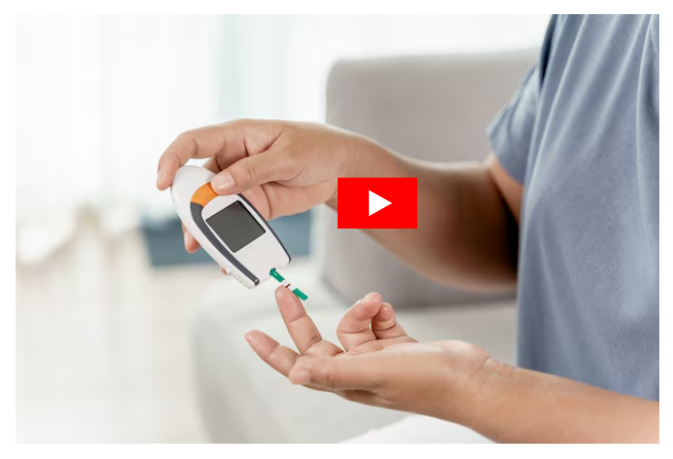
Many diabetics share positive experiences with a nightly warm water ritual, improved sleep, better digestion, fewer cravings, and a feeling of metabolic support. However, individual responses vary widely, so listen to your body and adjust as needed.
While these experiences can be motivational, always treat them as personal anecdotes, not clinical evidence.
Final Thoughts: A Small Habit With Big Support Potential
In the journey of diabetes management, the little things often make the biggest difference, from daily walks, meal timing, stress management, to hydration routines.
Drinking warm water before bed:
- Supports digestion and hydration
- May help stabilize blood glucose
- Encourages better sleep
- Helps maintain a calming nightly routine
- Can be personalized with safe additions
Though it won’t replace medical treatment, it can be a gentle, supportive habit that complements your comprehensive diabetes management plan.
References
- Diabetes Mellitus: https://en.wikipedia.org/wiki/Diabetes_mellitus
- Blood Sugar Regulation: https://en.wikipedia.org/wiki/Blood_sugar_regulation
- Insulin Resistance: https://en.wikipedia.org/wiki/Insulin_resistance
- Type 2 Diabetes Overview: https://www.webmd.com/diabetes/type-2-diabetes
- How Hydration Affects Blood Sugar: https://www.webmd.com/diabetes/dehydration-diabetes
.