
Avocado Trick for Prostate: Natural Support for Men Over 50

Contents
- 1 The Avocado Trick for Prostate Health: A Simple but Powerful Dietary Strategy
- 2 Why the Prostate Matters
- 3 Enter the Avocado: A Nutritional Powerhouse
- 4 What the Research Tells Us
- 5 The “Avocado Trick” Explained: How to Use It
- 6 The Bigger Picture: Lifestyle & Diet for Prostate Health
- 7 Who Might Benefit Most (and When to Be Cautious)
- 8 How to Build an “Avocado + Prostate Health” Meal Plan
- 9 Practical Tips & Considerations
- 10 What to Expect and How to Track Progress
- 11 The Bottom Line
If you’re searching for a natural, science‑backed way to give your prostate a little extra care, then look no further than the humble avocado.
Yes, the creamy green fruit that sits stylishly on brunch plates and in Instagram feeds, there’s more to it than meets the eye.
“🥑Prostate Health Secrets: The Avocado Trick You Need to Know! 🌟”
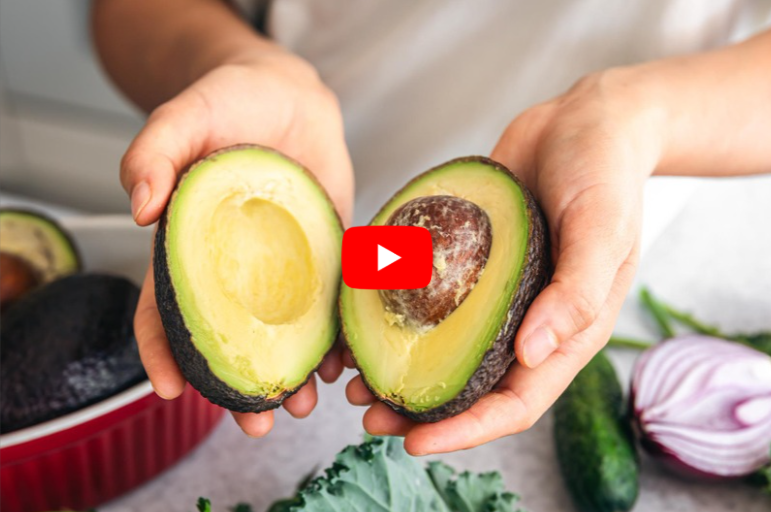

In this article, we’ll examine the “avocado trick” for prostate health, break down the science, talk about how to use this simple food tool in your diet, explore who it might benefit (and when to be more cautious), and provide actionable tips for incorporating it into your lifestyle.
Avocado Trick for Prostate uses avocados to support prostate health, reduce BPH symptoms, & provide anti-inflammatory benefits with healthy fats & antioxidants.
This is especially relevant for men concerned with prostate wellness—whether dealing with symptoms of enlargement (benign prostatic hyperplasia, BPH), thinking about prostate‐cancer prevention, or simply seeking to support overall urinary and reproductive health.
Why the Prostate Matters
The prostate gland is a small organ in men, located just below the bladder, surrounding the urethra. It plays a key role in male reproductive health secreting fluids essential to semen. But as men age, the prostate becomes prone to changes:
- Benign Prostatic Hyperplasia (BPH): This is a non‐cancerous enlargement of the prostate, common in men over 50. The enlarged gland presses on the urethra, causing urinary symptoms like frequent urination (especially at night), hesitancy, weak stream, and urgency.
- Prostate cancer: One of the most common cancers in men. Its progression is influenced by genetics, age, lifestyle factors, and diet.
- Lower urinary tract symptoms (LUTS): Whether from BPH or other issues, urinary symptoms can significantly impact quality of life.
Given its small size but large impact, taking steps to support prostate health is wise—and diet is one of those controllable factors.
According to expert guidance, a diet rich in nutrient‐dense foods, healthy fats, antioxidants, and anti‐inflammatory plant foods is a smart strategy.
Enter the Avocado: A Nutritional Powerhouse
Why pick the avocado? Because this fruit delivers a wide range of nutrients and bioactive compounds relevant to prostate health:
- Monounsaturated fats (especially oleic acid)
- Dietary fibre
- Vitamins (C, E, K, folate)
- Minerals (potassium, magnesium)
- Phytochemicals such as beta‐sitosterol, carotenoids (e.g., lutein), tocopherols (vitamin E family)
- Research suggests specific effects on prostate cells and enlargement.
To pick out the most prostate‐relevant nutrients:
- Beta‑sitosterol: This plant sterol is especially interesting. It interferes with pathways involved in prostate enlargement and urinary symptoms.
- Antioxidants / anti‐inflammatory compounds: Several prostate issues (BPH, cancer) involve oxidative stress, inflammation, and hormonal modulation. Avocados, by virtue of their nutrients, may help.
- Healthy fats and tissue support: Prostate tissue, like many other tissues, benefits from good fats, and the monounsaturated fat profile of avocado supports general cellular health and may reduce risk factors.
In short, Avocado is well-positioned to play a supportive role in prostate health. Now, the keyword here is supportive. It is not a miracle cure, but used wisely it can form part of a smart lifestyle strategy.
What the Research Tells Us
In vitro and animal studies
Several laboratory (cell culture) and animal studies suggest avocado extracts or avocado oil may influence prostate tissue:
- An in vitro study found that an acetone extract of avocado inhibited the growth of both androgen‐dependent and androgen‐independent prostate cancer cell lines.
- In one animal study on rats with induced benign prostatic hyperplasia (BPH), diets including avocado oil reduced epithelial thickness of the prostate gland compared to induced rats only.
These kinds of studies illustrate mechanisms—how compounds in avocado might affect prostate tissue (cell growth, inflammation, oxidative damage)—which are promising. But animal or cell studies aren’t direct proof for humans.
Observational human data
- One article noted that men who ate the most avocado (more than roughly a third of an avocado per day) had reduced risk of prostate cancer—“less than half the odds” compared to lower consumption.
- Dietary reviews for enlarged prostate (BPH) mention avocados and their plant sterols as part of a beneficial diet.
While these data do not establish causation, they do provide support for the theory that adding avocado could be beneficial for prostate health.
What we don’t yet know
- As with many dietary interventions, the exact dosage of avocado for prostate benefit is unclear. Is one-half avocado a day sufficient? More?
- We don’t have large randomized controlled trials in humans specifically targeting avocado intake for prostate outcomes.
- The mechanisms in humans (versus animals) aren’t fully fleshed out—so while we see associations and plausible biochemistry, we still treat it as part of a broader strategy rather than a standalone fix.
“Watch This for a Natural Way to Support Your Prostate with Avocados!”
The “Avocado Trick” Explained: How to Use It
What do we mean by the “avocado trick” for prostate health? Essentially: using avocado strategically, not just as a snack, but as a deliberate dietary choice to support prostate health. Here’s how to apply it:
1. Make avocado a regular part of your diet
- Aim to include at least ½ to 1 medium avocado most days of the week. The observational study suggested “more than about a third of an avocado a day” was associated with lower prostate cancer risk.
- Use avocado as your healthy fat source (instead of large amounts of saturated fats, processed oils).
- Combine avocado with other prostate‑friendly foods (we’ll get to that soon).
2. Use the right forms
- Fresh avocado (sliced, mashed) is ideal—maximum nutrient profile.
- Avocado oil can be used for dressings or mild cooking (keeping heat moderate to preserve nutrients). Animal studies used avocado oil to good effect.
- Avoid frying avocado to the point of heavy oil absorption or coating it with unhealthy toppings.
3. Pair it smartly
- Make avocado part of a meal rich in plant foods, antioxidants, and fibre.
- For example: whole‐grain toast + mashed avocado + smoked salmon or eggs; or quinoa salad + avocado + mixed veggies + extra virgin olive oil.
- These combinations create synergy: fibre + healthy fats + phytochemicals = supportive environment for prostate health.
4. Replace less healthy fats
- One of the trickiest parts: men’s diets often have high saturated fat, processed meats, and refined carbs all of which may contribute to prostate or general health risks. Swap out some of those for avocado.
- For instance, instead of butter on toast, try avocado spread. Instead of heavy creamy dressings, use an avocado‑olive oil blend.
5. Monitor and track how your body responds
- Especially if you already have prostate issues (BPH, LUTS), watch for changes in urinary symptoms: frequency, nocturia, stream strength.
- Keep a food journal: track avocado intake + other prostate‑supporting behaviours (exercise, hydration).
- Remember: dietary strategies work best when combined with lifestyle changes.
The Bigger Picture: Lifestyle & Diet for Prostate Health
The avocado trick is valuable, but must be part of a holistic strategy. Consider these broader components:
Anti‐inflammatory, plant‑rich diet
- Prostate conditions often have an inflammatory component. Diets high in fruits, vegetables, legumes, whole grains, and healthy fats help.
- Specific foods: tomatoes (lycopene), cruciferous vegetables (broccoli, kale), fatty fish (omega‑3s), avocados, nuts, olive oil.
- Limiting processed meats, high saturated fat foods, and excessive dairy (some evidence) may also help.
Healthy body weight & metabolism
- Excess body fat, insulin resistance, and metabolic syndrome all increase prostate risk and urinary symptoms.
- Avocados support weight management through fibre + healthy fats (promotes satiety).
- Combine diet with regular exercise—especially strength training and aerobic activity.
Hydration & urinary health
- Drinking sufficient water helps bladder and prostate function.
- Timing of fluid intake matters (avoid lots of fluid just before bed to reduce nocturia).
- Limit caffeine and alcohol if they exacerbate urinary urgency.
Routine screening & medical follow‐up
- For men 50+ (or 45+ for high‐risk), routine screenings (PSA, digital rectal exam) remain key.
- Diet complements medical monitoring—it doesn’t replace it. If you have prostate cancer or BPH, always follow medical guidance.
Specific behaviours for urinary symptoms
- For LUTS/BPH: elevate legs before bed to reduce fluid pooling, avoid heavy lifting when symptomatic, double void (urinate, wait, urinate again).
- Combine these with dietary choices like avocado to support the prostate.
Who Might Benefit Most (and When to Be Cautious)
Good candidates for the avocado trick
- Men aged 40 + aiming to build prostate‐supportive habits.
- Men with mild BPH/LUTS looking for non‐drug lifestyle strategies.
- Men are looking for prostate cancer prevention through diet and lifestyle.
- Men with general healthy lifestyle goals (since avocado supports cardiovascular, metabolic, and gut health too).
Situations where caution is needed
- If you’re already undergoing prostate cancer treatment, check with your oncologist before making major dietary changes or relying on avocado alone.
- If you have kidney disease or are on a potassium‑restricted diet (avocado is high in potassium).
- If you have allergies to avocado (rare, but possible).
- Remember: More is not always better. While the association is favorable, eating excessive avocado (in place of other healthy foods) may miss the broader diet value.
How to Build an “Avocado + Prostate Health” Meal Plan
Here’s a sample outline for a week of prostate‑supportive meals where avocado is featured smartly.
Day 1 (Breakfast): Avocado toast on whole‐grain bread, topped with tomato slices (lycopene!) and smoked salmon (omega‐3s).
Day 2 (Lunch): Quinoa salad with mixed greens, half an avocado diced, chickpeas, red pepper, olive oil & lemon dressing.
Day 3 (Dinner): Grilled mackerel + side salad including avocado, broccoli, and steamed sweet potato.
Day 4 (Snack): Smoothie: spinach, half avocado, banana, flaxseed, almond milk.
Day 5 (Breakfast): Egg scramble with sautéed mushrooms, half avocado slices, and whole‐grain toast.
Day 6 (Dinner): Chicken or tofu fajitas with avocado guacamole, peppers, onions, whole‐wheat wraps, and salsa.
Day 7 (Lunch): Mixed bean salad, half avocado, cherry tomatoes, cucumber, walnuts, and vinaigrette.
Key points:
- Each day includes ~½ an avocado.
- Each meal includes other prostate‐friendly foods.
- Healthy fats, fiber, and plant foods dominate.
- Processed foods, high-saturated-fat items are minimized.
Practical Tips & Considerations
- Choose ripe avocados (slightly soft to the touch) and store unripe ones at room temperature; once ready, you can keep them in the fridge to slow further ripening.
- If cost or availability is an issue, include avocado several times per week—not necessarily daily. Consistency matters more than perfection.
- Don’t load avocado with heavy or high‐calorie toppings (bacon bits, heavy creams) as that may offset benefits.
- Consider splitting the avocado across meals (½ in breakfast, ½ in lunch) for steady nutrient distribution.
- Be mindful of total calorie intake: avocado is calorie‐dense (~230–250 kcal for a whole medium avocado), so portion with awareness if weight control is a priority.
- Combine avocado intake with other healthy habits: regular exercise, reduced red/processed meat, increased vegetables, adequate hydration, moderate alcohol, and no smoking.
- If urinary symptoms (night waking, hesitancy, urgency) are severe or worsening, consult a urologist—diet is supportive but not a substitute for medical evaluation.
“Watch – How Avocados Can Transform Your Prostate Health! 🥑💪”

What to Expect and How to Track Progress
While avocado won’t provide instant relief from prostate symptoms overnight, over weeks and months, you may observe subtle but meaningful improvements if you integrate it within a supportive lifestyle:
- Slightly fewer nocturia episodes (waking to pee at night).
- Improved urinary flow or reduced hesitancy.
- Better overall well‑being: energy levels, digestive health (thanks to fibre), and cardiovascular markers (cholesterol).
- Improved weight/body composition, if that was a concern.
You can track progress by:
- Keeping a symptom diary (urination frequency, urgency, flow quality) every 2–4 weeks.
- Monitoring body weight, waist circumference.
- Following up with your doctor: PSA, digital exams, and other prostate markers as recommended.
- Taking note of how you feel: less fatigue, fewer urinary disturbances.
The Bottom Line
The “avocado trick” for prostate health is simple: incorporate avocado regularly into your diet as part of a broader set of lifestyle habits, and you stand a good chance of supporting your prostate, urinary system, and overall wellness.
It’s not a magic bullet, but it offers real nutritional value, backed by promising research, and it complements other proven strategies (plant‐rich diet, healthy weight, exercise, screening).
For men concerned about prostate health, whether prevention or early support of enlargement symptoms, the humble avocado deserves a place on your plate.
Think of it as a gentle ally working behind the scenes: good fats, plant sterols, antioxidants, fibre, all combining to nurture the prostate.
At Nuvectra Medical, we believe in holistic wellness where dietary choices, lifestyle habits, and medical awareness integrate to support your health journey. Adding avocado is a practical, evidence‐informed step you can take today.
References
-
Avocado’s Role in Prostate Health: https://pubmed.ncbi.nlm.nih.gov/15629237/
-
“Just One Fruit to Reduce an Enlarged Prostate”: https://www.medicalnewstoday.com/articles/321079
-
“Avocado Oil (Persea americana) Reduces Epithelial Proliferation on Benign Prostatic Hyperplasia”: https://pubmed.ncbi.nlm.nih.gov/37871299/
-
“Avocado Consumption: Greater or Reduced Risk of Cancer?” https://pmc.ncbi.nlm.nih.gov/articles/PMC10073249/
User Review
( votes)