
The Self-Sufficient Backyard Reviews 2026 | Is It Worth It?

The Self-Sufficient Backyard is a practical guide with DIY projects to grow food, collect rainwater, and create a productive, sustainable backyard.
Official Website: Click Here
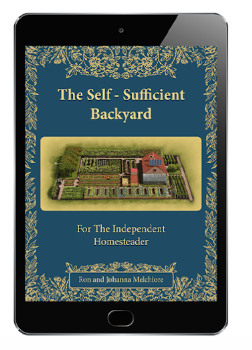
What is The Self-Sufficient Backyard?
The Self-Sufficient Backyard is a comprehensive homesteading guide designed to help people transform an ordinary backyard into a productive, self-sufficient living space.
Created by off-grid pioneers Ron and Johanna, the program is based on more than 40 years of real-world experience living independently from the power grid.
The guide includes step-by-step instructions, illustrations, and practical tips for growing food, collecting water, generating electricity, and preserving harvests without relying heavily on modern utilities.
It also covers greenhouse gardening, soil improvement, rainwater harvesting, and raising chickens for eggs and protein.
With over 100 DIY projects and a year-round planting calendar, the program aims to show that even a small backyard can produce significant food and resources.
The goal is to help homeowners reduce living costs, increase sustainability, and move toward a more independent, resilient lifestyle.
Who Created The Self-Sufficient Backyard?
The Self-Sufficient Backyard was created by Ron Melchiore and Johanna Melchiore, a couple with more than 40 years of hands-on experience living off the grid.
They began their self-reliant lifestyle in the late 1970s and have since built multiple homesteads where they produce their own food, generate electricity, and manage water without relying on public utilities.
Drawing from decades of practical knowledge, they created this guide to help ordinary homeowners learn simple, affordable ways to build a self-sufficient backyard and move toward a more sustainable and independent lifestyle.
How Does The Self-Sufficient Backyard Work?
The Self-Sufficient Backyard works by teaching readers how to design a backyard system that produces essential resources such as food, water, and energy.
Instead of relying entirely on external supply chains, the guide focuses on building simple, affordable systems that allow homeowners to become more self-reliant.
The program provides step-by-step instructions for dozens of projects, including building raised garden beds, creating automatic irrigation systems, collecting rainwater, and installing small hybrid power systems.
It also explains techniques for food preservation, medicinal gardening, and greenhouse cultivation, so food can be produced throughout the year.
One key concept emphasized in the guide is starting small and gradually expanding your system as you gain confidence.
Even people with limited space or minimal gardening experience can begin implementing these projects and slowly build a sustainable backyard ecosystem that supports their household’s needs.
What Is Inside The Self-Sufficient Backyard
The guide includes numerous practical lessons and projects designed to help readers build a productive backyard homestead.
Step-by-Step Homestead Blueprint
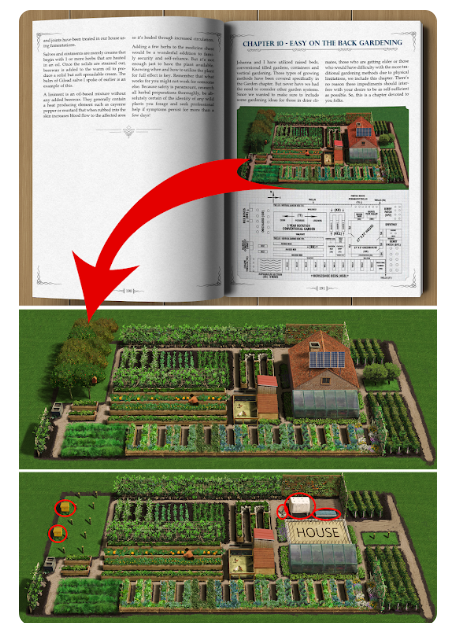
The program begins with a detailed blueprint showing how a small backyard can be organized into different productive zones. It explains how just 1,020 square feet of land per person can produce a large portion of the food needed for a household when managed correctly.
Year-Round Self-Sustaining Greenhouse
One of the most valuable sections teaches readers how to build a greenhouse that works throughout the entire year. The guide explains insulation techniques, ventilation methods, and heat-retention strategies so plants can grow even during colder months.
Rainwater Collection System
The book includes instructions for creating a simple and affordable rainwater harvesting system. This setup allows homeowners to collect, store, and use rainwater for irrigation or other household purposes, reducing dependency on municipal water supplies.
Hybrid Off-Grid Electricity System
Another key section explains how to build a low-cost hybrid electricity system. The authors describe how to connect solar panels, batteries, controllers, and inverters to create a reliable power source for your home.
Soil Testing and Improvement Guide
Healthy soil is essential for productive gardening. The guide teaches a simple mason jar soil test that helps identify the composition of soil and provides practical solutions for improving fertility and increasing crop yields.
Automatic Irrigation System
Readers learn how to build an automatic irrigation system that waters plants consistently without daily manual effort. This system helps conserve water while ensuring plants receive the moisture they need to grow.
Off-Grid Earth Refrigerator
The program includes instructions for building an underground refrigerator that keeps food fresh without electricity. This natural cooling method can store vegetables, fruits, and other harvested foods for long periods.
Food Preservation Techniques
A detailed section focuses on traditional food preservation methods such as drying, storing root vegetables, and preserving eggs, fruits, and meats. These techniques allow homesteaders to store food safely without relying on modern refrigeration.
Dwarf Fruit Tree Gardening
The guide explains how to grow dwarf fruit trees in small spaces such as patios, balconies, or garden borders. These trees are easier to manage and often produce fruit faster than standard-size trees.
Companion Planting Guide
Readers discover which plants grow well together and which combinations should be avoided. Proper companion planting can improve crop health, increase yields, and naturally reduce pests.
Survival Food Gardening
The book identifies nutrient-dense foods that are easy to grow and store for long-term food security. Some of these crops can even be grown indoors using simple methods.
Straw Bale Gardening
This section introduces straw bale gardening, a technique that allows plants to grow in compact spaces without traditional garden beds. It also acts as a compostable and low-cost raised bed alternative.
75+ DIY Homestead Projects
The program contains more than 75 practical projects that help build a fully functional backyard homestead. These include building chicken coops, hoop tunnels, raised beds, trellises, and container gardening systems.
Year-Round Planting Calendar
A detailed 12-month planting calendar shows exactly what crops should be planted during each month of the year. This helps gardeners avoid planting seeds too early or too late.
Chicken Coop Secrets
The guide also provides practical advice for raising chickens efficiently. It explains how to design low-maintenance chicken coops and includes tips to help hens produce more eggs.
Independent Water Sources
Readers learn how to create reliable water systems such as wells, hand pumps, and backup water solutions to ensure a consistent water supply for their homestead.

Benefits
Helps Reduce Monthly Expenses
One of the biggest advantages of this program is the ability to cut down on everyday costs. By growing your own vegetables, collecting rainwater, and producing small amounts of electricity, you can significantly reduce grocery and utility bills over time.
Encourages Healthier and Fresh Food
The guide teaches how to grow fruits, vegetables, and herbs directly in your backyard. This means you can enjoy fresh, chemical-free produce while improving the overall quality of your daily diet.
Promotes Self-Reliance and Independence
The program focuses on building systems that reduce dependence on corporations, grocery stores, and utility companies. By producing your own food, water, and energy, you gain a greater sense of independence and control over your lifestyle.
Works Even With Small Spaces
Many people assume they need large farmland to become self-sufficient, but the program proves otherwise. The strategies inside show how even small backyards or limited land can be used efficiently to produce meaningful results.
Teaches Practical Life Skills
The guide provides hands-on skills such as gardening, water collection, food preservation, and basic DIY construction. These are valuable long-term skills that can benefit families for many years.
Improves Food Security
Learning how to grow and store your own food can help protect your household during food shortages or supply chain disruptions. Having a productive backyard provides extra peace of mind.
Environmentally Friendly Lifestyle
The program promotes eco-friendly practices like composting, rainwater harvesting, and renewable energy use. These methods help reduce waste and support a more sustainable way of living.
Potential to Generate Extra Income
By producing surplus vegetables, eggs, or other homestead products, some users may be able to sell their extra produce locally and generate additional income.
Suitable for Beginners
The step-by-step instructions and diagrams make it easy for beginners to follow along. Even people with little gardening or homesteading experience can start implementing the methods gradually.
Pros
- Based on 40+ years of off-grid experience
- Beginner-friendly step-by-step guide
- Works for small backyard spaces
- Includes 100+ DIY homesteading projects
- Promotes sustainable living methods
- Helps reduce food and utility costs
- Covers food, water, and energy systems
- Includes helpful diagrams and illustrations
- Comes with valuable bonus guides
- 60-day money-back guarantee
Cons
- Requires time and effort to implement
- Results depend on climate and space availability
- Only available website
How to Get Started?
Getting started with The Self-Sufficient Backyard is designed to be simple and beginner-friendly.
The guide created by Ron Melchiore and Johanna Melchiore walks you through the process step by step so you can begin building a more self-sufficient lifestyle at your own pace.
Access the Program
- First, visit the official website and order the program. After completing the secure checkout process, you will receive instant access to the digital guide and any included bonus materials.
Read the Step-by-Step Guide
- Start by reviewing the main sections of the guide. It explains the core principles of homesteading, including food production, water collection, energy generation, and backyard planning.
Start with Small Projects
- Begin with simple projects such as container gardening, rainwater collection, or soil improvement. These beginner steps help you build confidence and see quick results.
Expand Your Backyard System
- As you gain experience, you can gradually add larger systems like greenhouses, irrigation systems, and backyard electricity setups.
Follow the Planting Calendar
- Use the included year-round planting calendar to know exactly when to plant crops and manage your garden for consistent food production.
By starting small and gradually applying the techniques, you can slowly transform your backyard into a productive and sustainable homestead.
✅ Click to Check the Availability.
The Self-Sufficient Backyard Customer Reviews
The Self-Sufficient Backyard is a highly-rated homesteading guide with positive experiences and results, earning 4.8/5 stars from 38,000+ reviews and strong user satisfaction.
The Self-Sufficient Backyard is a significant contribution to sustainable living literature. It strikes the right balance between being educational and practical. Would I recommend this book? Absolutely. The information is spot on, the projects are easy to understand and the visuals are incredibly helpful.
Emily Elizabeth
Verified Buyer⭐⭐⭐⭐⭐
Living at high altitude in Colorado presents unique challenges, and this book addressed most of them. The food preservation and root cellar sections were especially useful for our cold winters. I wish there was a bit more on high-altitude gardening specifically, but overall the information has been invaluable for our homestead.
Michelle Pugh
Verified Buyer⭐⭐⭐⭐⭐
My husband and I bought 60 acres in Kentucky and have been moving towards homesteading. IT IS EXACTLY WHAT I WAS LOOKING FOR! Well written, easy to understand, lots of pictures, honest information and covers every topic for homesteading! Thanks to this amazing couple for everything they have accomplished!
Courtney Collins
Verified Buyer⭐⭐⭐⭐⭐
How We Researched & Rated The Self-Sufficient Backyard
To provide an accurate and balanced evaluation of The Self-Sufficient Backyard, we used a structured review process similar to how experienced product researchers analyze digital guides and homesteading programs.
Our goal was to assess both the practical value and overall usability of the program created by Ron Melchiore and Johanna Melchiore.
Content Quality – ⭐⭐⭐⭐
We evaluated the depth and clarity of the information provided in the guide. The program contains numerous step-by-step instructions, illustrations, and practical explanations covering gardening, water systems, food preservation, and off-grid living. The content appears detailed and beginner-friendly, making complex homesteading concepts easier to understand.
Practicality & Real-World Application – ⭐⭐⭐⭐
Another important factor was whether the ideas can realistically be applied by everyday homeowners. The projects are designed for small backyards and limited land, which increases accessibility. Many of the methods focus on simple DIY solutions rather than expensive equipment.
Ease of Implementation – ⭐⭐⭐⭐⭐
We examined how easy it would be for beginners to follow the projects. The guide provides clear instructions, diagrams, and tips that help readers implement systems gradually, starting with smaller projects and expanding over time.
Value for Money –⭐⭐⭐⭐⭐
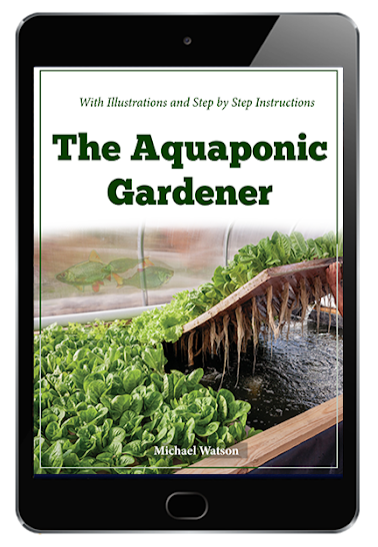
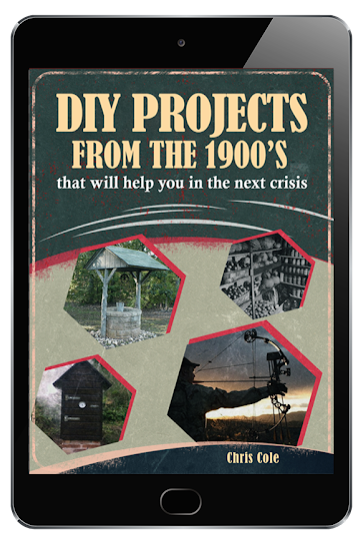
The program includes the main guide plus several bonus resources related to aquaponics, traditional DIY projects, and land opportunities. Considering the amount of material and the potential long-term benefits, the overall value appears strong for people interested in sustainable living.
Customer Feedback – ⭐⭐⭐⭐
We also reviewed testimonials and user feedback shared by readers who have applied the techniques. Many users report positive experiences with backyard gardening projects, water collection systems, and practical homesteading advice.
Overall Rating – ⭐⭐⭐⭐⭐
Based on our research process, The Self-Sufficient Backyard receives a strong overall rating for its comprehensive guidance, practical projects, and focus on helping beginners move toward a more self-sufficient lifestyle.
Is The Self-Sufficient Backyard a Scam or Legit?
The Self-Sufficient Backyard is generally considered legitimate, not a scam. The guide was created by Ron Melchiore and Johanna Melchiore, a couple who reportedly have over 40 years of experience living off-grid and building homesteads.
Their background and expertise in self-sufficient living have been documented in homesteading communities and publications, which adds credibility to the program.
The book provides practical instructions for gardening, water collection, renewable energy systems, food preservation, and other DIY homesteading projects.
Many readers report that the guide contains useful step-by-step advice and real-world methods that can be applied even on small properties.
However, like most guides, results depend on the reader’s effort and available space. It is not a get-rich-quick system or instant solution, but rather a learning resource that requires time and practical work to implement.
Money-Back Guarantee

The Self-Sufficient Backyard comes with a 60-day, 100% money-back guarantee, giving buyers the opportunity to explore the program without financial risk.
After purchasing the guide, users have two full months to review the content, study the projects, and decide whether it meets their expectations. If, for any reason, they are not satisfied during this period, they can request a refund and receive their full purchase amount back.
The creators state that the policy is designed to provide confidence and peace of mind to new buyers. This guarantee allows readers to try the program risk-free and evaluate whether the self-sufficiency methods work for their needs.
Bonus Details

Pricing & Availability
The Self-Sufficient Backyard guide is available at an affordable one-time price and can be purchased primarily through the official website.
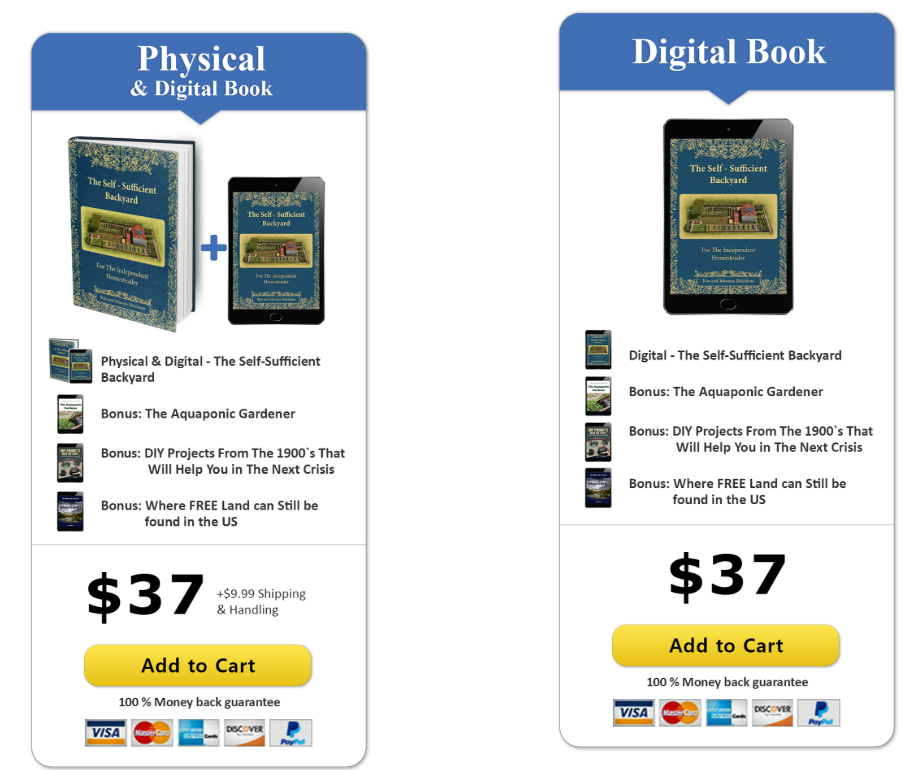
The program is usually offered at a discounted price of about $37, reduced from a higher regular price during promotional offers.
Price Options
- Digital Version: Around $37 for instant online access after purchase.
- Physical Book + Digital Access: About $37 plus approximately $9.99 shipping and handling for the printed copy.
What the Purchase Includes
When you buy the program, you typically receive:
- The complete 266-page guide with diagrams and step-by-step instructions.
- Three bonus guides related to aquaponics, traditional DIY homesteading projects, and land opportunities.
✅ Click to Order The Self-Sufficient Backyard At A Discounted Price!
Where to Buy?
You can purchase The Self-Sufficient Backyard directly from the official website of the program.
Buying from the official source ensures you receive the complete package, including the full digital guide, bonus materials, and the 60-day money-back guarantee.
After completing the secure checkout process, you typically get instant access to the digital version, allowing you to download and start reading the guide immediately.
In some cases, a printed version may also be available for shipping. Purchasing from the official website helps ensure authenticity, access to updates, and the full set of bonuses included with the program.
Conclusion
I highly recommend trying The Self-Sufficient Backyard if you want a practical and beginner-friendly guide to building a more independent lifestyle.
Developed by experienced off-grid homesteaders Ron Melchiore and Johanna Melchiore, this program brings together decades of real-world knowledge in one comprehensive resource.
What stands out most is the clear step-by-step guidance for growing food, collecting rainwater, generating electricity, and preserving harvests without relying heavily on modern utilities.
The guide focuses on simple, affordable projects that can be implemented even in small backyards, making it accessible for beginners and experienced gardeners alike.
With its practical DIY systems, helpful diagrams, and useful bonus materials, it offers genuine value for anyone interested in homesteading or sustainable living. Overall, it’s a solid starting point for building a more self-sufficient future.

Click to Learn More About The Self-Sufficient Backyard
Frequently Asked Questions
Is the Self-Sufficient Backyard suitable for beginners?
Yes, the guide is designed to be beginner-friendly and easy to follow. It includes step-by-step instructions, practical examples, and helpful illustrations. Even people with little gardening or homesteading experience can understand and apply the methods.
Do I need a large piece of land to use this program?
No, the methods are designed to work even in small backyard spaces. Many techniques focus on maximizing productivity in limited areas. This makes the program suitable for suburban homes and small garden plots.
Does the guide include a planting calendar?
Yes, the program includes a year-round planting calendar to help guide your gardening schedule. It shows what crops should be planted during different months of the year. This helps prevent planting too early or too late and improves gardening success.
Can I use the methods if I live in a city?
Yes, many of the techniques can be applied in urban environments. The guide includes solutions for small gardens, balconies, and compact backyard areas. This allows city residents to grow food and practice sustainable living.
Are there diagrams or illustrations included?
Yes, the guide includes helpful diagrams and visual instructions. These visuals make it easier to understand complex projects and systems. They also help readers follow each step more confidently.
Is the program only about gardening?
No, the program covers much more than gardening alone. It also discusses renewable energy systems, rainwater harvesting, and food preservation techniques. These topics work together to create a more complete self-sufficient lifestyle.
Click to Learn More About The Self-Sufficient Backyard
.
.
User Review
( votes)