
Swelling Reducer for Feet and Legs | Fast, Effective Relief

Swollen feet and legs — medically known as edema — is one of the most common complaints people experience today.
Whether it’s the result of a long day on your feet, a sedentary work routine, travel, pregnancy, injury, or an underlying health condition, fluid buildup in the lower extremities can cause discomfort, heaviness, pain, and mobility issues.
“Swelling Relief for Feet & Legs | Reduce Puffiness Fast! ⚡💧”
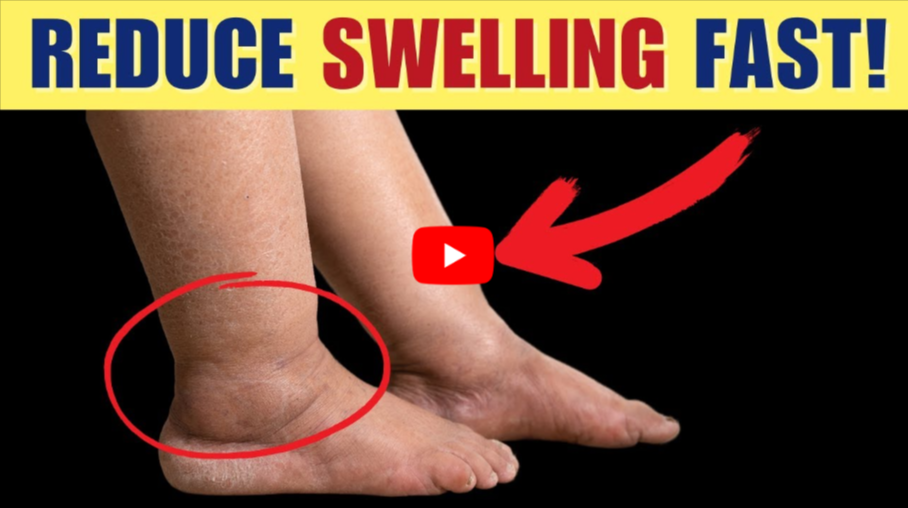

We understand how swelling can interfere with daily life. That’s why this comprehensive guide will walk you through everything you need to know about swelling reducer strategies for feet and legs — from causes and prevention to effective remedies and long-term management.
Swelling reducer for feet and legs helps reduce fluid buildup, improve circulation, relieve pain and heaviness, and provide all-day comfort and mobility.
By the end of this article, you’ll be equipped with evidence-based methods to reduce swelling, improve circulation, prevent daily flare-ups, and enhance your overall comfort.
Understanding Edema: Why Your Feet and Legs Swell
Before diving into solutions, it’s important to understand why swelling happens in the first place.
Edema occurs when excess fluid accumulates in the tissues beneath the skin. This is most visible in the feet, ankles, and legs because gravity pulls fluid downward when we stand or sit for too long.
Common triggers of swelling include:
- Prolonged standing or sitting
- Poor circulation or venous insufficiency
- Injury or inflammation
- Pregnancy
- High sodium intake
- Lymphatic system issues
- Certain medications
- Underlying health conditions such as heart, kidney, or liver disease
While occasional swelling is normal, persistent or severe swelling deserves attention.
Symptoms of Foot and Leg Swelling
Swelling can range from mild puffiness to noticeable enlargement. Below are common symptoms:
- Bulging skin in the feet or lower legs
- Tightness or heaviness in the affected areas
- Shiny or stretched skin
- Pitting — when pressing the skin leaves an indentation
- Reduced flexibility in joints
- Pain or discomfort when walking or standing
Recognizing these symptoms early helps you take action before swelling becomes chronic.
When to Seek Medical Attention
Swelling is often benign, but sometimes it signals a more serious condition. You should consult a doctor if swelling:
- Comes on suddenly
- Is accompanied by shortness of breath or chest pain
- Is only on one side of the body
- Is painful, red, warm, or firm
- Is associated with fever or infection
- Interferes with daily activities
A healthcare professional can determine whether the swelling is a symptom of an underlying issue such as blood clots, heart or kidney disease, or circulatory disorders.
The Best Swelling Reducer Strategies for Feet and Legs
Below are proven approaches — from lifestyle changes and home remedies to medical solutions — that help reduce swelling and restore comfort.
1. Elevation: A Simple Yet Powerful Swelling Reducer
One of the quickest ways to reduce fluid buildup in your feet and legs is elevation.
Why Elevation Works
When you elevate your legs above heart level, gravity helps draw excess fluid back into the circulatory system. This can significantly reduce swelling and discomfort.
How to Elevate Your Legs Properly
- Lie down on your back
- Use pillows or cushions to prop your legs
- Aim to keep your feet above heart level for 15–30 minutes
- Repeat 3–4 times per day
You can also elevate your legs while resting or sleeping to maintain relief throughout the day.
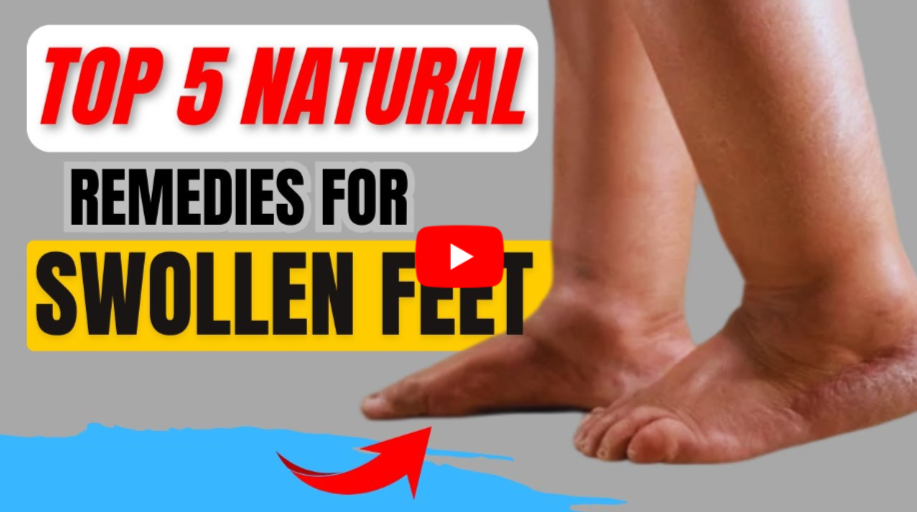
“Swollen Feet & Legs No More! | Fast, Effective Home Remedies.”
2. Movement and Exercise: Keep Your Circulation Flowing
Staying active is one of the most impactful ways to manage swelling — especially for people with sedentary jobs or those who sit or stand for long hours.
How Exercise Helps
- Enhances blood flow
- Strengthens calf muscles, which act as pumps to push fluid upward
- Reduces fluid pooling in the extremities
Effective Exercises to Reduce Swelling
Here are some low-impact activities you can start doing today:
A. Ankle Pumps
- Sit or lie down
- Flex your feet up and down slowly
- Repeat 15–20 times
B. Ankle Circles
- Lift one foot off the ground
- Rotate in circles (both directions)
- Do 10 circles per direction, per foot
C. Walking
-
Even short 5-10 minute walks throughout the day help activate circulation
D. Leg Lifts
- While lying down, slowly lift each leg toward your torso
- Hold for a few seconds and release
Train regularly — consistency leads to better fluid balance and long-term relief.
3. Compression Therapy: A Targeted Swelling Reducer
Compression garments are one of the most effective solutions for swelling in the feet and legs, especially for chronic or recurring edema.
How Compression Works
Compression socks or stockings gently squeeze your legs, aiding circulation by helping blood and fluid move upward toward the heart rather than pooling in the lower extremities.
Choosing the Right Compression Level
Compression is measured in mmHg (millimeters of mercury). Common levels include:
- Mild (8–15 mmHg): Everyday comfort and mild swelling
- Moderate (15–20 mmHg): Best for daily swelling and long periods of standing
- Firm (20–30 mmHg and above): Recommended for medical conditions or significant swelling
Compression garments are especially helpful for:
- Travelers
- People with sedentary jobs
- Athletes
- Those with chronic venous insufficiency
- Pregnant women
Tip: Put on compression gear early in the morning before fluid builds up.
4. Dietary Changes to Reduce Fluid Retention
What you eat impacts swelling — especially sodium and hydration levels.
Start with Salt Reduction
High sodium intake causes the body to retain water. Reducing salt and processed foods helps your kidneys excrete excess fluid, reducing swelling.
Eat Hydrating and Potassium-Rich Foods
Hydrating foods include:
- Cucumbers
- Melons
- Celery
- Strawberries
Potassium-rich foods:
- Bananas
- Sweet potatoes
- Leafy greens
- Avocado
Potassium helps balance sodium levels and reduces fluid retention.
Stay Properly Hydrated
Drinking sufficient water may seem counterintuitive, but dehydration triggers fluid retention as the body tries to hold onto available water. Aim for consistent hydration throughout the day.
5. Natural Remedies and Home Treatments
Many people find relief using home-based approaches that improve circulation and decrease inflammation.
A. Epsom Salt Soaks
Soaking your feet in warm water with Epsom salt helps promote circulation and relax muscles. This simple treatment can reduce swelling and soothe tired feet.
- Fill a basin with warm water
- Add 1–2 cups of Epsom salt
- Soak for 15–20 minutes
B. Contrast Water Therapy
Alternating between warm and cool water stimulates circulation.
- Warm water for 3–5 minutes
- Cold water for 30–60 seconds
- Repeat 10–15 minutes
C. Lymphatic Massage
Massaging your feet and legs in upward strokes toward the heart helps move excess fluid from tissues into the lymphatic system.
6. Footwear and Posture: Simple Yet Effective
Believe it or not, what you wear and how you sit or stand can influence swelling.
Choose Supportive Footwear
Tight shoes or high heels restrict circulation. Wear shoes with:
- A roomy toe box
- Good arch support
- Flexible soles
Correct Your Posture
Avoid crossing your legs for extended periods, which restricts circulation. Sit with feet flat on the floor or elevated if possible.
7. Manage Underlying Health Conditions
If swelling persists despite home care, there may be an underlying cause such as:
- Heart disease
- Kidney disease
- Liver problems
- Chronic venous insufficiency
- Lymphedema
In these cases, a medical professional can recommend appropriate treatment — from medication to physical therapy or specialized compression therapy.
“Say Goodbye to Swollen Feet & Legs✨| Easy Remedies at Home“

8. Preventive Daily Habits to Keep Swelling at Bay
Prevention is powerful. Incorporate these habits into your daily life to minimize swelling:
Stay Active
Avoid long periods of immobility. Standing or sitting too long causes fluid buildup.
Take Frequent Breaks
During long travel or work hours, stand every hour and walk or stretch.
Hydrate Well
Aim for at least 8 glasses of water daily.
Avoid Excessive Salt
Limit intake of processed foods and snacks.
Wear Compression Socks
Especially useful if you’re on your feet a lot or have chronic swelling.
Sleep with Legs Elevated
This reduces fluid retention overnight.
9. Targeted Solutions: Advanced Swelling Reducers
For severe or persistent swelling, medical devices or treatments may be recommended:
Pneumatic Compression Devices
These are advanced compression systems that inflate and deflate to support blood flow.
Prescription Diuretics
When appropriate, doctors may prescribe medications that help the kidneys remove excess fluid.
Therapeutic Support Services
Specialized physical therapy techniques such as manual lymphatic drainage improve fluid movement.
Always consult a healthcare provider before using advanced therapies.
10. The Impact of Swelling on Daily Life
Swelling is more than a cosmetic concern — it affects:
- Comfort and mobility
- Quality of sleep
- Activity levels
- Confidence and emotional well-being
Chronic swelling can even lead to skin issues, infections, or decreased circulation if untreated.
By understanding swelling and proactively managing it, you take control of your comfort and health — and that’s a game-changer.
Conclusion: Your Path to Healthier, Comfortable Feet and Legs
Swelling in the feet and legs can be frustrating, but it doesn’t have to control your life.
What works best is a comprehensive approach:
✔ Understanding your personal triggers
✔ Combining daily preventive habits
✔ Using effective swelling reducers like elevation, movement, compression, and nutrition
✔ Seeking medical support when necessary
Whether you’re dealing with occasional puffiness after a long day or chronic swelling due to circulation issues, these strategies empower you to feel better, stay active, and live fully.
At Nuvectra Medical, we’re committed to helping you understand and manage swelling with safe, effective, real-world solutions. Your feet and legs carry you through life — it’s time to give them the care and relief they deserve.
Reference
Foot, leg, and ankle swelling: https://medlineplus.gov/ency/article/003104.htm
Edema: Diagnosis & Treatment: https://www.mayoclinic.org/diseases-conditions/edema/diagnosis-treatment/drc-20366532
Home remedies for swollen feet backed by science: https://www.healthline.com/health/home-remedies-for-swollen-feet/
Compression stockings: https://en.wikipedia.org/wiki/Compression_stockings