Why Is Your Eye Bloody? Causes, Symptoms & Eye Care Tips
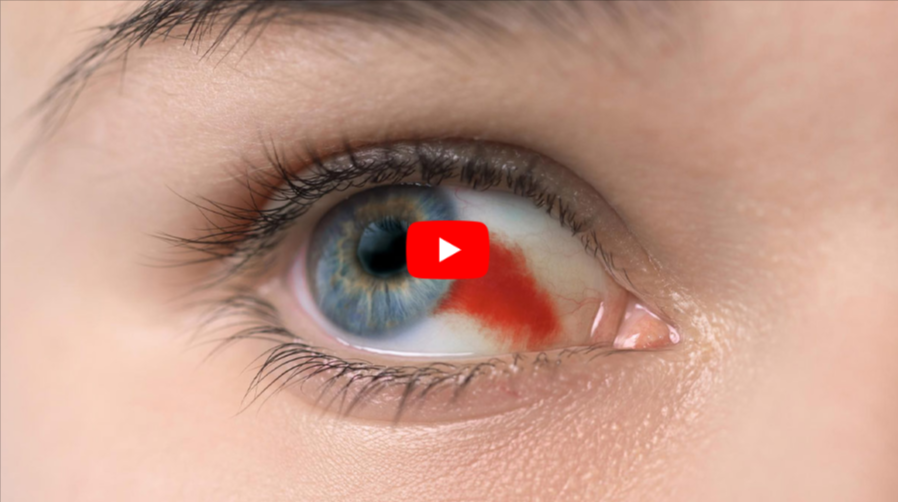
There are few sights more alarming than seeing blood in your eye — whether it’s a bright red patch across the white part of your eyeball, a thin streak that looks like a red line, or worse, blood flowing in your tears.
You might wake up one morning and be startled to find your eye looks bloody, even though it doesn’t hurt. Or you could notice that your vision is blurry and tinged with red.
Bloody Eye Explained🩸👀| Causes, Symptoms & When to Worry

So what’s going on? Why is your eye bloody? Most importantly, is it serious?
A bloody eye can result from a burst surface vessel, injury, or internal bleeding. Most are harmless, but sudden pain or vision changes need urgent care.
In this thorough and easy‑to‑understand guide, we’ll walk you through:
- What “bloody” eyes actually mean
- Common and less common causes
- Symptoms to watch for
- How these conditions are diagnosed
- Treatment, recovery & prevention
- When to immediately seek medical attention
Let’s dive in and demystify this startling phenomenon.
How to Think About “Blood in the Eye”
Before we explore causes, it’s important to clarify what people mean by a “bloody eye.” The eye is made up of many layers, and depending on where the blood appears, the cause and seriousness can vary widely.
In general, blood in or around the eye falls into two broad categories:
- Blood on the surface of the eye, usually seen as a bright red patch — often harmless.
- Blood inside the eye or deeper layers, which can sometimes signal serious eye conditions.
Let’s look at each category in detail.
1. Subconjunctival Hemorrhage: The Most Common Cause of a Bloody Eye
What Is It?
The most frequently encountered reason your eye might look bloody — and often the first thing eye doctors check for — is something called a subconjunctival hemorrhage.
This happens when a tiny blood vessel just beneath the clear surface covering the white of your eye (the conjunctiva) breaks. Blood leaks into the space between the conjunctiva and the white tissue of the eye (the sclera), creating a bright red or dark red patch on the eye’s surface.
Why It Looks Worse Than It Is
Because the blood lies on the surface — not inside the eyeball or affecting the structures responsible for vision — a subconjunctival hemorrhage usually:
- Looks dramatic and alarming
- Does not cause pain
- Does not affect vision
- Causes little or no irritation, beyond a slight feeling of fullness or scratchiness in some cases
This means that although it looks like your eye is bleeding badly, it’s really similar to a bruise on the skin — just under a transparent layer.
Common Triggers
You might be surprised how easily this can happen. Often, there’s no obvious cause, but triggers include:
- Sneezing or coughing hard
- Straining — even lifting heavy objects
- Rubbing your eye too vigorously
- Forceful vomiting
- Minor bumps or pokes to the eye
- Sudden spikes in blood pressure
- Taking blood‑thinning medications
- Diabetes or blood‑clotting disorders
People with these risk factors are somewhat more likely to experience recurring subconjunctival hemorrhages.
What It Looks Like
A subconjunctival hemorrhage typically appears as a patch of bright red on the white part of the eye. It may be small or it may spread over much of the sclera.
Unlike inflammation or pink eye, there isn’t usually tearing, discharge, or eye crusting. And you usually feel fine apart from the visual redness.
How Long Does It Take to Clear
The blood gradually gets reabsorbed back into your body. Usually this takes about:
-
1–2 weeks for most cases
-
Smaller patches may fade faster
You do not generally need medical treatment for a single subconjunctival hemorrhage. If irritation bothers you, some people use lubricating eye drops for comfort.
When It Might Be Serious
Seek medical help if:
✔ The redness follows a significant injury
✔ You have pain, vision changes, or discharge
✔ You get recurrent episodes (many times)
✔ You’re on blood thinners or have a bleeding disorder
These could be signs of more than just a broken surface vessel.
Why Does Your Eye Look Bloody? Medical Reasons Revealed
2. Hyphema: Blood Inside the Eye
What Is Hyphema?
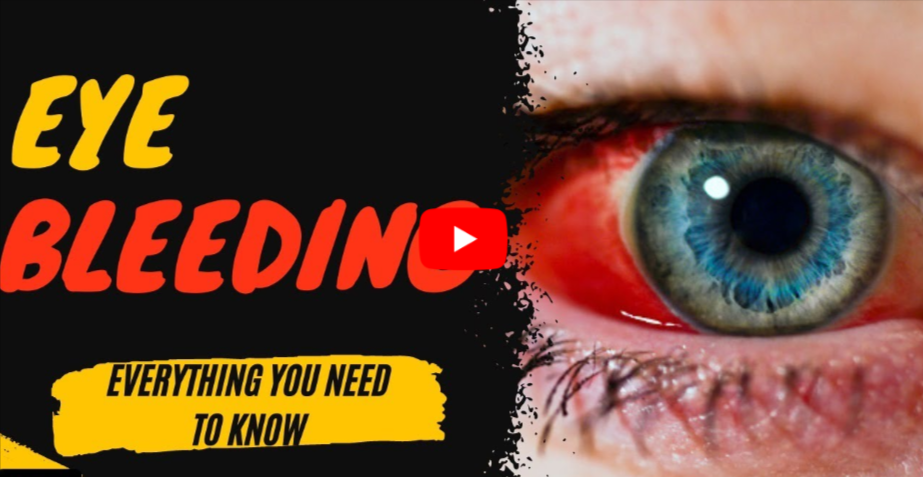
Unlike a subconjunctival hemorrhage, hyphema refers to blood inside the eye — specifically between the cornea (the clear front surface) and the colored part of the eye (the iris).
This is not just cosmetic — it can affect vision and needs prompt medical evaluation.
Causes of Hyphema
Hyphema is most often caused by trauma — a blow to the eye from:
- Sports injuries
- Accidents and falls
- Sharp objects
- Projectiles like balls or stones
Other non‑traumatic causes include:
- Abnormal blood vessels inside the eye
- Eye diseases involving blood vessels
- Blood clotting disorders
- Long‑term use of blood thinners
Signs & Symptoms
Unlike surface bleeding, hyphema often feels like something is wrong. Symptoms can include:
- Visible blood pooling in the eye
- Blurred or cloudy vision
- Pain or discomfort
- Sensitivity to light
- Nausea/vomiting (in severe cases)
The blood can literally settle at the bottom of the anterior chamber, and in more severe cases — called total hyphema — it can fill the space, blocking vision.
Why It Matters
Blood inside the eye can:
- Increase intraocular pressure
- Lead to secondary glaucoma
- Cause corneal staining
- Permanently affect vision if not properly managed
Because of these risks, hyphema is treated as an urgent situation.
Treatment Options
Treatment ranges from conservative to surgical, depending on severity:
Rest and eye protection
Head elevation to encourage drainage
Medications for pain & pressure
Surgery to drain blood, if the bleeding is extensive or pressure remains high
Most cases improve significantly with proper care.
3. Deeper Internal Eye Bleeds & Retinal Hemorrhages
Bleeding Behind What You Can See
Not all eye bleeding appears on the surface or in the front chamber. Sometimes, deep vessels at the back of the eye rupture.
One example is a retinal hemorrhage, where blood leaks from vessels in the retina — the light‑sensing tissue lining the back of the eye.
This type of bleeding might not be visible as a bright red patch. Instead, symptoms may include:
- Sudden vision changes
- Floaters or flashing lights
- Shadows or dark spots in vision
These internal hemorrhages often occur with conditions such as:
- Diabetes
- High blood pressure
- Retinal tears or detachments
- Vascular diseases
- Aneurysms and strokes
Any sudden or severe visual symptom with eye bleeding — even if not obviously bloody — should prompt immediate medical evaluation.
4. Other Causes of Blood Around the Eye Area
Not all redness that looks like blood is bleeding. Here are other things that can make your eye appear red:
Inflammation & Pink Eye
Conjunctivitis — commonly called pink eye — is inflammation of the conjunctiva. The eye appears red because blood flow increases to the area, but it isn’t the same as actual bleeding from a vessel.
Allergies
Allergic reactions cause itching, tearing, and redness due to inflammation — not bleeding. But intense rubbing can occasionally trigger a subconjunctival hemorrhage.
Dry Eyes
When the eye’s tear film breaks down, small surface vessels can be irritated and break.
Systemic Conditions
Conditions like diabetes and hypertension weaken blood vessels over time, making them more susceptible to rupture.
Common Symptoms to Note
Different causes of a bloody eye come with different clues.
Harmless Surface Bleeds
- Bright red patch on white of the eye
- No pain or vision change
- Slight irritation in some cases
- Often no obvious cause
Signs of Something More Serious
- Blurry or decreased vision
- Eye pain or pressure
- Tearing or discharge
- Blood mixed with tears
- Floaters or flashes of light
If any of the above accompany eye redness or blood, prompt medical assessment is essential.
Diagnosis: How Eye Doctors Evaluate a Bloody Eye
When you see a healthcare provider or eye specialist, the evaluation may include:
- Detailed medical history
- Examination of the eye structures
- Vision testing
- Checking intraocular pressure
- Imaging if needed (e.g., ultrasound or CT in trauma)
- Blood tests if an underlying disorder is suspected
Identifying where the blood is (on the surface vs inside) is usually the first step in directing proper treatment.
Eye Turned Bloody Overnight?🩸👁️ Here’s the Truth
Treatment & Recovery
For Subconjunctival Hemorrhage
- No treatment is usually necessary
- Use of artificial tears for comfort
- Watchful waiting — it typically resolves in weeks
For Hyphema
- Protection from further injury
- Keep your head elevated
- Medications for pain and pressure
- Possible surgical drainage if serious
For Internal Hemorrhages
- Treatment will depend on the cause and location
- May involve laser therapy, surgery, or managing underlying systemic conditions (like diabetes or hypertension)
Prevention Tips
While not all eye bleeds are preventable, you can reduce risk by:
- Wearing protective eyewear during sports or work
- Managing blood pressure and diabetes
- Avoiding vigorous eye rubbing
- Taking medications as prescribed and discussing eye risk with your doctor
When to Seek Immediate Help
📍 Go to the emergency department or urgent eye care if:
✔ Your vision worsens
✔ You experience pain
✔ You have blood inside the eye (not just on the surface)
✔ You see flashes, floaters, or dark spots
✔ You had a significant eye injury
Don’t wait to see if it gets better — early treatment can save vision.
Final Thoughts
Seeing blood in your eye is understandably frightening — whether it’s a bright red patch on the white surface or pooled blood in the front of the eyeball. But not all cases are equal.
For many people, a subconjunctival hemorrhage — a tiny broken vessel on the eye’s surface — is a harmless condition that resolves on its own without treatment.
On the other hand, bleeding inside the eye — such as hyphema or deeper hemorrhages — can pose a threat to vision and calls for urgent medical attention.
Understanding the difference, recognizing symptoms, and knowing when to get help can empower you to take the right steps for your eye health.
Remember — your eyes are precious. Don’t ignore changes — and when in doubt, be proactive about seeing a qualified eye care specialist.
Reference
Subconjunctival Hemorrhage: https://www.healthline.com/health/subconjunctival-hemorrhage
Hyphema (Bleeding Inside the Eye): https://en.wikipedia.org/wiki/Hyphema
Intraocular Hemorrhage (Deeper Eye Bleeding): https://pubmed.ncbi.nlm.nih.gov/33620856/