Is Your Pain In Your Head? The Science Behind Head Pain
Have you ever reached for a glass of water, felt a dull throbbing in your temples, and wondered—“Is this pain even real, or is it just in my head?”
If you’ve asked yourself this, you’re far from alone. Headaches are among the most common physical complaints globally, affecting millions of people every day.
But the way we perceive that pain and the science behind it is far more complex and fascinating than most people realize.
Is Your Pain In Your Head? 🤕🧠 The Science You Never Knew
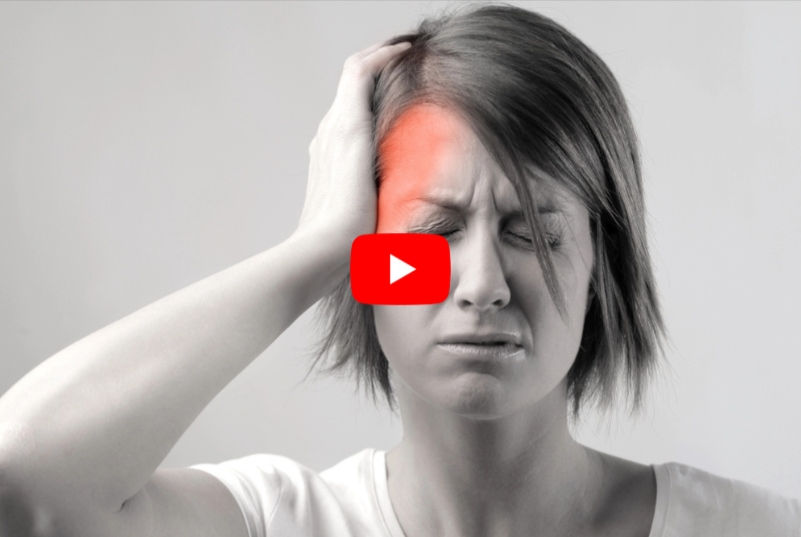

In this deep-dive guide, we’ll explore what causes head pain, how the brain processes it, when it might be “in your head,” and when it’s a sign of something more serious.
Head pain feels real because the brain interprets pain signals from nerves and tissues around it, explaining why headaches hurt and how they can be treated fast.
Whether you experience occasional headaches or deal with chronic pain, this post will help you understand:
- Why a headache feels like it’s in your brain
- How pain signals are processed by your nervous system
- The difference between physical and psychological pain
- Types of headaches and what triggers them
- Common misconceptions about head pain
- Diagnosis, prevention, and treatment options
Let’s unpack the mystery of head pain—starting with a question that’s much deeper than it sounds.
If Pain Isn’t Really “In the Brain,” Then Why Does It Hurt There?
One of the most surprising facts about headache pain is this:
👉 Your brain itself does not have pain receptors.
That means the brain tissue—the neurons and cells responsible for thinking, memory, and everything that makes you you—cannot actually feel pain.
So then what does hurt?
Even though the brain doesn’t directly feel pain, there are other structures inside your skull that do:
- Blood vessels that supply the brain
- Nerves in the face and neck
- Muscles around the skull and jaw
- The meninges—the protective membranes covering the brain
- Pain-sensing nerve endings (nociceptors)
When these structures are irritated, inflamed, or stretched, they activate nociceptors. These specialized nerves fire signals to your spinal cord and up to the brain, which interprets those signals as pain.
This is why headache sufferers often describe pain as being “in my head” because the pain signal reaches the brain, even though the sensation originates elsewhere.
In simple terms: Your brain doesn’t hurt—the message of pain does.
Why Pain Feels Like It’s in Your Head
When you feel a headache, your brain processes a lot more than just “pain.” Pain is part of a sensory experience, much like sight or sound.
Specialized pathways like the trigeminal nerve (a major nerve in your head and face) transmit the sensation of pain to the brain, where it is decoded.
Another important concept is how your nervous system modulates pain—that is, makes it feel stronger or weaker depending on various factors. One key theory that explains this is the Gate Control Theory.
Gate Control Theory: How Pain Signals Get Turned Up or Down
The Gate Control Theory, developed in the 1960s, describes how your spinal cord and brain act like a gatekeeper for pain signals:
- When the gate is open, pain signals travel freely to the brain.
- When the gate is closed, those signals are reduced or blocked.
Non-painful input—like touch, pressure, or even distraction—can help “close the gate” and reduce the sensation of pain.
This explains why rubbing a bumped elbow feels soothing or why massage can help tension headaches. Your nervous system is not just a one-way message system—it’s dynamic and influenced by many factors.
This is also why emotional state, stress, and prior experiences can influence how intense head pain feels. Pain is not just a physical sensation—it’s an interpretation by the brain.
Is Your Pain In Your Head? 🧠⚡Truth About Headaches Explained
So Which Headaches Are “In Your Head,” and Which Are Real?
The phrase “it’s all in your head” has a negative connotation—like pain is imaginary or fake. But pain being processed in the brain doesn’t mean it isn’t real.
Pain is always real to the person experiencing it, whether it originates from a physical trigger or complex neurological processes. So let’s clear up some common types of headache pain:
1. Tension Headaches
The most common headache, tension headaches, feel like a band squeezing around your head. They are often caused by:
- Stress
- Muscle tightness in the neck or scalp
- Fatigue or poor posture
Tension headaches are typically mild to moderate and can often be relieved with rest, hydration, or over-the-counter pain relievers. Signs include dull, persistent pain on both sides of the head and tenderness of the scalp muscles.
2. Migraines
Migraines are not just bad headaches—they’re a complex neurological condition. They often involve intense throbbing pain on one side of the head and can be accompanied by:
- Nausea or vomiting
- Light and sound sensitivity
- Visual disturbances (auras)
The underlying cause of migraines isn’t fully understood, but genetics and nervous system sensitivity play a role. Migraine pain can be debilitating and may last for hours to days.
3. Cluster Headaches
Cluster headaches are severe and sharp, usually felt behind or around one eye. They occur in clusters—hence the name—and can be extremely painful. They are less common but more intense than migraines and tend to follow a predictable pattern.
4. Secondary Headaches
These headaches are caused by an underlying medical condition, such as:
- Sinus infection
- Neck injury
- Eye strain or jaw issues
- High blood pressure
A secondary headache can sometimes be a symptom of a more serious issue, especially if it’s sudden, severe, or accompanied by other symptoms like fever, confusion, or visual changes.
Is Headache Pain Ever Just “In Your Head”?
The idea that pain could be purely “psychological” or imagined is misleading and outdated. Modern medicine recognizes that pain is a complex interaction of physical stimuli and brain processing.
Psychogenic Pain and Pain Perception
Previously, doctors used the term psychogenic pain to describe pain with no identifiable tissue damage or physical cause.
Today, this term is largely abandoned because it suggests pain isn’t real when, in fact, it is—it’s just arising from different interactions between the nervous system and brain perception.
Pain involves:
- Stimulus at a nerve ending
- Signal transmission to the brain
- Brain interpretation of that signal
Even if there’s no clear physical cause, the brain can still interpret signals (or the lack thereof) in ways that produce real pain sensations. That’s why chronic pain conditions can persist even after the original injury is healed.
Additionally, psychological factors like stress and anxiety can amplify pain perception. Some individuals have a heightened awareness of bodily sensations, a phenomenon known as somatosensory amplification, which makes normal or minor sensations feel intense and distressing.
Importantly, this does not mean the pain isn’t real, just that the brain’s perception processes play a strong role in how the pain feels.
Why Headache Pain Feels So Personal and Unique
Pain is subjective. Two people with the same stimulus may rate their pain very differently, and that’s perfectly normal.
Some researchers suggest that factors influencing pain perception include:
- Genetics
- Emotional and psychological state
- Previous pain experiences
- Attention and focus
- Environmental triggers
In migraine sufferers, for example, pain thresholds can be lower, meaning even minor stimuli can feel intensely painful.
This is why one person’s tension headache might be a mild inconvenience while another’s feels debilitating.
Is Your Pain In Your Head? The Shocking Science Behind Pain

Practical Strategies to Reduce Head Pain
If you’re wondering how to manage or prevent headaches, here are evidence-based strategies that can help:
1. Identify Triggers
Keeping a headache journal can help you track patterns such as:
- Food or drink triggers
- Sleep disruptions
- Stressful events
- Weather changes
- Hormonal fluctuations
This information is invaluable in understanding what might be contributing to your headache.
2. Lifestyle Modifications
Simple changes can make a big difference:
- Stay hydrated
- Prioritize regular sleep
- Practice relaxation techniques (yoga, meditation)
- Improve posture
- Avoid skipping meals
These lifestyle factors are common contributors to both tension headaches and migraine triggers.
3. Stress Management
Since stress and anxiety can intensify pain perception, managing emotional stress through:
- Deep breathing
- Mindfulness
- Biofeedback
- Physical therapy
can reduce the frequency and severity of headaches.
4. Medical Treatment Options
Depending on the type and severity of headache, treatment can include:
- OTC pain relievers (acetaminophen, ibuprofen)
- Prescription medications for migraines
- Preventive medications for chronic headaches
- Therapies like nerve blocks or Botox injections (for certain headache types)
Always consult a healthcare provider for tailored advice.
When Headache Pain May Be a Red Flag
Most headaches are benign and manageable, but some may signal something more serious. You should seek immediate medical attention if your headache is:
- Sudden and severe (often described as “the worst ever”)
- Accompanied by fever, stiff neck, or confusion
- Related to injury
- Influencing vision or speech
- Persistent and worsening over time
These symptoms could indicate underlying conditions that need urgent evaluation.
Final Thoughts: Pain Is Real—But Not Always What It Seems
So, is your pain in your head?
The answer is nuanced.
✔ Yes, pain feels like it’s in your head.
✔ But no—your brain isn’t the source of pain in most headaches.
✔ Yet pain is always real, and your experience matters.
Headache pain emerges from a complex interplay between physical stimuli, nerve signals, and your brain’s interpretation of those signals.
Whether tension, migraine, or another type of headache, pain is a meaningful message that your body is signaling stress, imbalance, or neurological sensitivity.
Understanding how pain works isn’t just scientific—it’s empowering. When you recognize what’s happening inside your nervous system, you can make informed choices about prevention, relief, and when to seek medical care.
Stop wondering whether your pain is “just in your head” and start understanding why it feels that way—and how you can take control.
Reference
-
Gate Control Theory of Pain
https://en.wikipedia.org/wiki/Gate_control_theory -
Somatosensory Amplification Explained
https://en.wikipedia.org/wiki/Somatosensory_amplification -
Migraine and Pain Sensitivity Research Study
https://pubmed.ncbi.nlm.nih.gov/30116215/ - What Causes Headaches? Triggers & Relief Tips
https://www.healthline.com/health/headache/what-causes-headaches