
7 Vitamins for Joints to Reduce Pain Naturally

Joint health is one of the most crucial components of overall well-being, yet it’s often overlooked until pain or stiffness sets in.
Whether you’re an athlete pushing your body daily, someone experiencing age-related joint discomfort, or simply someone wanting to maintain mobility into old age, understanding the role of vitamins in joint health is vital.
At Nuvectra Medical, we believe in empowering you with evidence-based information so you can make proactive health decisions.
In this deep-dive, we explore the 7 essential vitamins for joints, how they support your body, and how you can incorporate them into your lifestyle for optimal joint health and mobility.
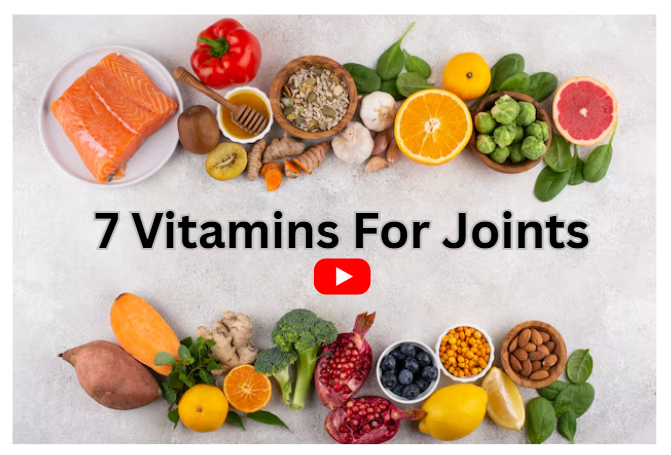

Why Joints Need Specialized Nutritional Support
Joints are complex structures made of cartilage, synovial fluid, ligaments, tendons, and bone. They enable flexible movement while bearing tremendous loads and stress.
As we age or become more active, these structures can degrade or become inflamed, leading to conditions like osteoarthritis, joint pain, and decreased mobility.
Nutrition plays a pivotal role in joint integrity. Certain vitamins support cartilage production, inflammation reduction, bone strength, and tissue repair, all factors that contribute to healthy and resilient joints.
Vitamin D: The Foundation of Bone and Joint Strength
Vitamin D is often referred to as the “sunshine vitamin” because our skin naturally produces it when exposed to sunlight. But its benefits go far beyond immunity and mood — this vitamin is essential for joint health too.
How Vitamin D Supports Joints
- Enhances Calcium Absorption: Calcium is critical for strong bones. Without adequate vitamin D, calcium absorption drops, leading to weakened bones and higher joint stress.
- Regulates Inflammation: Studies show vitamin D can help reduce inflammatory markers that contribute to joint discomfort, particularly in cases like rheumatoid arthritis.
- Supports Cartilage Cells: It plays a role in the function of chondrocytes, the cells responsible for producing and maintaining cartilage in joints.
Sources of Vitamin D
- Sunlight exposure (10–30 minutes daily)
- Fatty fish (e.g., salmon, mackerel)
- Fortified dairy products and cereals
- Egg yolks and mushrooms
- Supplements (especially D3 as cholecalciferol)
As vitamin D deficiency is common, especially in regions with limited sunlight exposure, supplementation can be a dependable way to ensure optimal levels for joint health.
Vitamin C: The Collagen Creator
Vitamin C is probably best known for its immune-boosting properties, but it’s equally vital for joint and connective tissue health.
Role in Joint Function
- Collagen Production: Collagen is the main structural protein in cartilage, ligaments, and tendons. Vitamin C is essential for collagen synthesis, making it indispensable for joint integrity.
- Antioxidant Defense: It combats free radicals that damage joint tissues, lowering oxidative stress and joint inflammation.
- Tissue Repair and Recovery: Helps the body heal joint injuries and maintain long-term joint resilience.
Natural Sources
- Citrus fruits (oranges, lemons)
- Strawberries, bell peppers, and broccoli
- Kiwi, papaya, and guava
- Supplements for targeted support
Pro Tip: Combine vitamin C with collagen supplementation for enhanced cartilage repair and joint recovery.
Vitamin K: The Calcium Regulator
Vitamin K is a lesser-known but extremely important vitamin for joint and bone health. It works in tandem with vitamin D to ensure calcium ends up in the right places, your bones, rather than soft tissues where it can cause issues.
Benefits of Vitamin K
- Calcium Utilization: It activates proteins like osteocalcin that help bind calcium into the bone matrix, strengthening bones and enhancing joint stability.
- Bone Mineralization: Improves bone density and contributes to structural support around joints.
- Inflammation Modulation: Adequate vitamin K intake has been linked to lower levels of inflammation, which can reduce joint pain over time.
Best Sources
- Leafy greens (spinach, kale, collard greens)
- Natto and fermented foods
- Cheese and green tea (also provide synergistic antioxidants)
Vitamin E: The Joint Protector
Vitamin E is a powerful fat-soluble antioxidant that protects cell membranes from oxidative damage, a key contributor to joint wear and tear.
Vitamin E and Joint Health
- Fights Free Radicals: Helps neutralize oxidative stress that can damage cartilage cells.
- Inflammation Reduction: Its antioxidant quality helps reduce inflammation and soreness in joints.
- Tissue Maintenance: Supports overall cell regeneration and connective tissue integrity.
Food Sources
- Nuts and seeds (almonds, sunflower seeds)
- Spinach, broccoli, and kale
- Avocado and plant oils (e.g., wheat germ oil)
While vitamin E can be obtained through diet, some individuals, particularly those with higher oxidative stress, may benefit from supplementation.
B-Complex Vitamins: Inflammation Fighters and Energy Boosters
The B-vitamin family, especially vitamins B6, B9 (folate), and B13, plays a multifaceted role in joint and overall musculoskeletal health.
How B Vitamins Help
- Reduce Inflammation: Certain B vitamins help lower levels of homocysteine, an amino acid linked to inflammation and joint damage.
- Nerve Health: B vitamins support nerve function, which can reduce joint pain that is related to nerve impingement or irritation.
- Cell Repair: Supports the regeneration of connective tissues and cartilage cells.
Sources
- Whole grains and legumes
- Lean meats and poultry
- Eggs and dairy
- Leafy greens and nuts
Since B vitamins work synergistically, many doctors recommend taking them as a B-complex supplement to ensure balanced support.
Omega-3 Fatty Acids: Nature’s Lubricant (Technically Not a Vitamin but Vital)
Although not a true vitamin, omega-3 fatty acids are essential nutrients commonly associated with joint health — and they deserve a mention in this list.
Why Omega-3s Matter
- Anti-inflammatory Power: Omega-3s from fish oil (EPA and DHA) reduce the production of inflammatory molecules that contribute to joint pain and stiffness.
- Cartilage Protection: They help preserve cartilage and can slow degeneration.
- Smooth Movement: Their joint-lubricating properties help ease stiffness, especially after exercise.
Food Sources
- Fatty fish (salmon, sardines, mackerel)
- Flaxseeds, chia seeds, and walnuts
- Fish oil or algal oil supplements
Incorporating omega-3s through diet or supplementation can be particularly beneficial for people with arthritis or chronic joint discomfort.
Collagen and Supporting Nutrients
Strictly speaking, collagen isn’t a vitamin, but it’s one of the most potent nutrients for joint health and deserves inclusion in any comprehensive guide.
Collagen is the primary structural protein in cartilage, ligaments, and tendons, the very tissues that make joint movement possible.
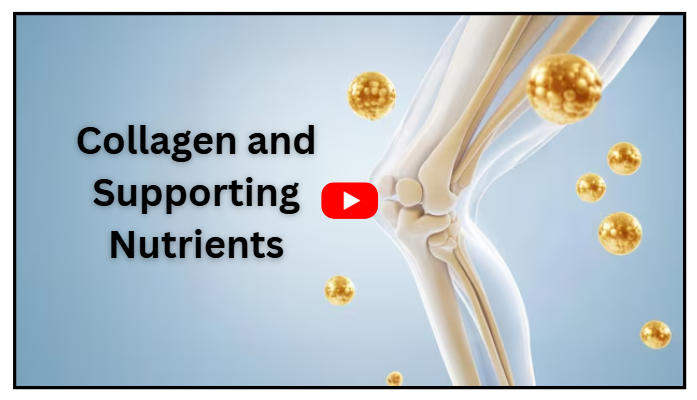
Collagen’s Role in Joints
- Cartilage Structure: Supplies essential building blocks for cartilage repair and regeneration.
- Joint Cushioning: Helps maintain flexibility and cushioning in joints, reducing friction.
- Mobility Support: Regular intake has been linked with reduced joint pain and improved mobility.
How to Boost Collagen
- Collagen Peptide Supplements: Easily absorbed and often show measurable benefits for joint function.
- Vitamin C Synergy: Vitamin C helps your body use collagen more effectively, another reason why it pairs so well in joint-support formulas.
Bonus: Supporting Minerals and Compounds That Complement Vitamins
While this post focuses on vitamins, several minerals and bioactive compounds work synergistically with vitamins to support joint health:
Calcium
Essential for bone strength; works with vitamins D and K for optimal absorption and utilization.
Magnesium
Supports muscle function around joints and plays a role in inflammatory modulation.
Glucosamine & Chondroitin
Naturally occurring compounds that help preserve cartilage and support joint lubrication and cushioning.
MSM (Methylsulfonylmethane)
Provides sulfur for connective tissue formation and has anti-inflammatory effects.
Hyaluronic Acid
Acts as a lubricant and shock absorber in joints, enhancing smooth movement.
How to Take Vitamins for Joints Effectively
To gain the most from your vitamin strategy:

✔ Assess Deficiencies First
Blood tests can reveal deficiencies in vitamin D, B13, and others — allowing targeted supplementation under medical guidance.
✔ Pair Nutrients Strategically
- Vitamin D + Calcium + K2 forms a powerful trio for bone and joint support.
- Vitamin C with collagen enhances cartilage repair.
- Omega-3s alongside antioxidants reduce inflammation more effectively.
✔ Stay Consistent
Vitamins and joint-support nutrients take time to show benefits, especially in chronic joint conditions.
✔ Combine With Lifestyle Support
Nutrition works best alongside:
- Regular low-impact exercise (walking, swimming, cycling)
- Maintaining healthy weight
- Adequate hydration for synovial fluid production
- Joint-friendly physical therapy and stretching routines
Final Thoughts: A Nutrient-Rich Path to Joint Freedom
Joint health shouldn’t be ignored until pain appears. Proactive nutritional support, especially incorporating the 7 vitamins for joints discussed, can dramatically impact your mobility, comfort, and quality of life.
From vitamin D’s bone-strengthening power, to vitamin C’s collagen-boosting benefits, to omega-3s’ inflammation-fighting properties, each nutrient plays a unique role in keeping your joints healthy, flexible, and responsive.
At Nuvectra Medical, we’re committed to helping you understand not just what these nutrients do, but why they matter and how you can integrate them into your daily life.
References
- https://www.healthline.com/health/joint-supplements
- https://www.webmd.com/arthritis/guide/vitamins-and-supplements-for-arthritis
- https://www.nih.gov/news-events/nih-research-matters/omega-3-fatty-acids-joint-health
- https://ods.od.nih.gov/factsheets/list-all/
- https://en.wikipedia.org/wiki/Joint_health