
Chia Seed Alone Doesn’t Work: The Truth About Real Results

Chia seeds are everywhere, from Instagram smoothie bowls to wellness influencers touting them as a miracle cure, these tiny black seeds have become one of the most hyped “superfoods” of the last decade.
They’re marketed as a weight loss solution, a blood sugar regulator, a heart health booster, and even a digestive miracle. But here’s the real truth, backed by science and clinical research:
Chia seed alone doesn’t work. It won’t magically transform your health, melt fat away, cure chronic disease, or replace the impact of a balanced diet and healthy lifestyle.
That doesn’t mean chia seeds are worthless, far from it. When used correctly and as part of a complete nutritional strategy, they offer valuable benefits.
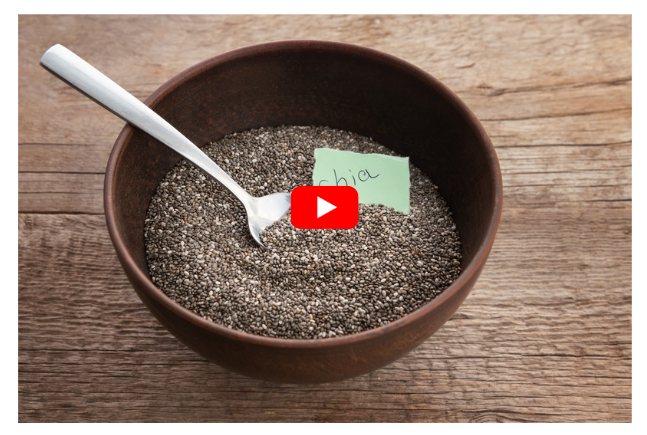

What Are Chia Seeds?
Chia seeds come from Salvia hispanica L., a plant native to Central America. They were a staple food for the Aztec and Mayan civilizations, prized for their long-lasting energy and rich nutrient profile. Today, they’re one of the most popular additions to health-conscious diets worldwide.
Nutritionally, chia seeds pack:
- Fiber — especially soluble fiber
- Omega-3 fatty acids (mainly ALA)
- Protein with essential amino acids
- Minerals like calcium, phosphorus, magnesium, iron
- Antioxidants including quercetin, caffeic acid and myricetin
This nutritional density is impressive — but only part of the picture.
The Truth Behind the Hype: Where Chia Seeds Do Help
✔ Digestive Support
Chia seeds are very high in fiber, roughly 9–10 grams per ounce, which promotes healthy digestion and regular bowel movements.
When you soak chia seeds in water or another liquid, they absorb it and form a gel-like substance. This gel adds bulk to stool and can help prevent constipation when paired with ample hydration.
✔ Satiety and Appetite Regulation
The fiber in chia seeds expands in the stomach, which may help you feel fuller for longer. This has led many to associate chia seeds with weight control.
✔ Heart-Healthy Components
Chia seeds contain omega-3 fatty acids, mainly alpha-linolenic acid (ALA). Omega-3s are generally beneficial for heart health — they are involved in lowering inflammation and supporting cardiovascular function.
However, the form of omega-3 in chia seeds (ALA) must be converted by the body into EPA and DHA — a process that is often very inefficient in humans.
✔ Micronutrient Support
Chia contributes important minerals that many people lack — such as magnesium, phosphorus, and calcium — which support bone health and muscle function.
Chia Seed Alone Doesn’t Work — Here’s Why
Despite the hype, scientific evidence shows that simply eating chia seeds — without other lifestyle changes and healthy habits — won’t deliver the promised outcomes that marketers typically advertise.
⛔ Chia Seeds Aren’t a Weight Loss Magic Bullet
Although chia seeds help with satiety, the idea that they cause significant weight loss on their own is unsupported by strong clinical evidence.
Multiple studies have looked at chia seeds as a weight loss strategy, and many have found no significant impact on body weight, body fat, or body composition when chia was consumed alone and without dietary changes.
Eating chia seeds while continuing an unhealthy diet won’t lead to meaningful fat loss. Successful weight loss requires a calorie deficit, balanced nutrition, physical activity, sleep quality, stress management, and long-term lifestyle habits — not simply adding one “superfood.”
⛔ Limited Effects on Blood Sugar and Diabetes Control
Given their high fiber content, chia seeds were expected to improve markers like fasting blood glucose and hemoglobin A1c (a key long-term blood sugar indicator). However, clinical research tells a more cautious story.
A systematic review and meta-analysis found that chia seed supplementation had no statistically significant effect on fasting blood glucose, HbA1c, or insulin levels.
While chia seeds may slow glucose absorption modestly, they are not a replacement for medical management of diabetes or a diet built around balanced meals.
⛔ Effects on Heart Disease Risk Factors Are Mixed
Some research shows that chia ingestion — especially at higher doses — can reduce triglycerides and LDL (“bad”) cholesterol, and even slightly decrease systolic blood pressure.
However, these effects are relatively modest and often inconsistent across studies. Simply consuming chia seeds — without a heart-healthy diet and lifestyle — is not enough to significantly alter cardiovascular disease risk.
⛔ Nutrient Absorption and Bioavailability Matters
Chia seeds are a rich source of nutrients on paper, but the bioavailability — how much your body actually absorbs — can be limited, especially if the seeds are consumed whole and unsoaked.
For example:
- The omega-3 ALA in chia must be converted into usable EPA and DHA, and this conversion is inefficient
- Minerals such as calcium and iron bind with plant compounds like phytic acid, which can reduce absorption
Side Effects and Risks of Eating Chia Seeds Alone
Chia seeds are generally safe, but they’re not risk-free — especially when consumed excessively or without proper preparation.
⚠ Digestive Issues and Fiber Overload
Chia’s high fiber content can lead to:
- Bloating
- Gas
- Constipation
- Abdominal discomfort
These symptoms are especially common if you suddenly increase chia intake without drinking enough water.
⚠ Choking and Gastrointestinal Blockages
Unsoaked chia seeds can absorb liquid after they’re in your esophagus or stomach. This expansion can pose a choking hazard or, in rare cases, lead to clumping and blockages.
⚠ Interactions with Medications
Because chia seeds can lower blood sugar and blood pressure, they might interact with medications in people being treated for diabetes or hypertension.
⚠ Nutrient Interaction Risks
Chia’s fiber and phytic acid content may interfere with the absorption of other minerals like iron and zinc when eaten in very large quantities.
How to Use Chia Seeds Effectively?
Just because chia seeds alone aren’t a miracle doesn’t mean they’re useless. They can be a powerful part of a balanced eating pattern when combined with other healthy habits.
Here’s how to make them work for you:
Soak Chia Before Eating
Soaking chia seeds (in water, milk, yogurt, or juice) activates their gel-forming properties and helps improve digestibility while reducing choking risk.
Pro Tip: Soak 1–2 tablespoons in 1 cup of liquid for at least 15–30 minutes or overnight for best results.
Pair with Balanced Meals
Chia seeds should enhance your meals — not replace other nutritious components like:
- Lean proteins
- Healthy fats
- Colorful vegetables and fruits
- Whole grains
This ensures your body gets the full spectrum of nutrients it needs.
Use Chia for Satiety and Stable Blood Sugar
Because of their fiber content, chia seeds can help slow carbohydrate absorption and support stable blood glucose levels — but only in context with balanced meals.
Eating them with mixed meals rather than as a stand-alone snack is more effective.
Mix With Other Functional Foods
Pairing chia seeds with foods known to have complementary effects, like leafy greens, berries, nuts, seeds, and lean proteins — boosts overall nutrition.
Combining chia with antioxidant-rich foods or probiotic yogurt can support digestion, blood sugar control, and satiety.
Include in a Holistic Lifestyle Plan
Chia seeds can be a component of a comprehensive wellness strategy — one that incorporates:
- Regular physical activity
- Balanced nutrition
- Quality sleep
- Stress management
In other words: chia seeds support health — but they don’t replace lifestyle fundamentals.
Delicious Ways to Incorporate Chia Seeds
Here are practical, real-world ways to use chia seeds without overhyping their benefits:
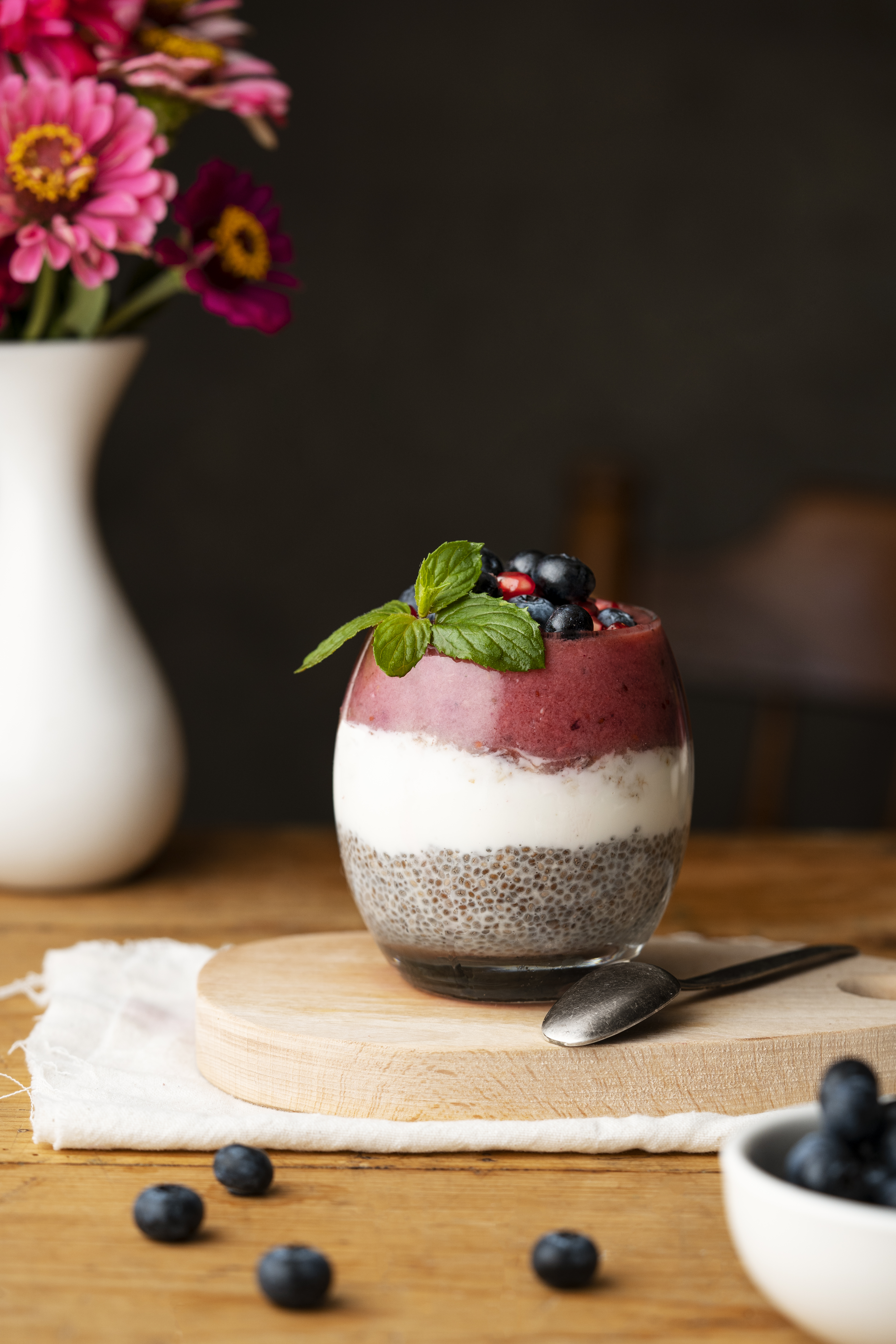
⭐ Chia Seed Pudding
Soak chia in almond milk, vanilla, a dash of honey, and top with berries.
⭐ Chia Water
Add 1–2 tablespoons of chia to water with lemon for a fiber boost.
⭐ Smoothie Booster
Add chia seeds to smoothies for texture and nutrition.
⭐ Sprinkle on Oatmeal or Salads
Sprinkle chia seeds on hot or cold dishes for added fiber and crunch.
⭐ Baked Goods
Mix chia seeds into muffins, breads, or granola bars.
Each of these ideas ensures chia seeds are part of a balanced meal, not a stand-alone cure.
Final Verdict: Chia Seed Alone Doesn’t Work — But It Helps
Let’s wrap up with a clear summary of the facts:
🔹 Chia seeds are nutritious
They provide fiber, omega-3s, antioxidants, protein, and micronutrients.
🔹 Chia seeds can support digestion and satiety
But they don’t automatically cause weight loss.
🔹 Chia seeds alone don’t reliably improve blood sugar or disease outcomes
Scientific evidence shows limited effects when not paired with broader lifestyle changes.
🔹 Chia seeds are most effective when part of an overall healthy diet
Use them as a tool, not a solution.
References
https://www.healthline.com/nutrition/chia-seeds
https://pubmed.ncbi.nlm.nih.gov/38917708/
https://www.webmd.com/diet/health-benefits-chia-seeds
https://pubmed.ncbi.nlm.nih.gov/39299649/
https://www.healthline.com/nutrition/11-proven-health-benefits-of-chia-seeds
.