
Fastest Way to Burn Dangerous Visceral Fat Naturally

Visceral fat often called the hidden or dangerous fat is one of the most serious health threats facing adults today.
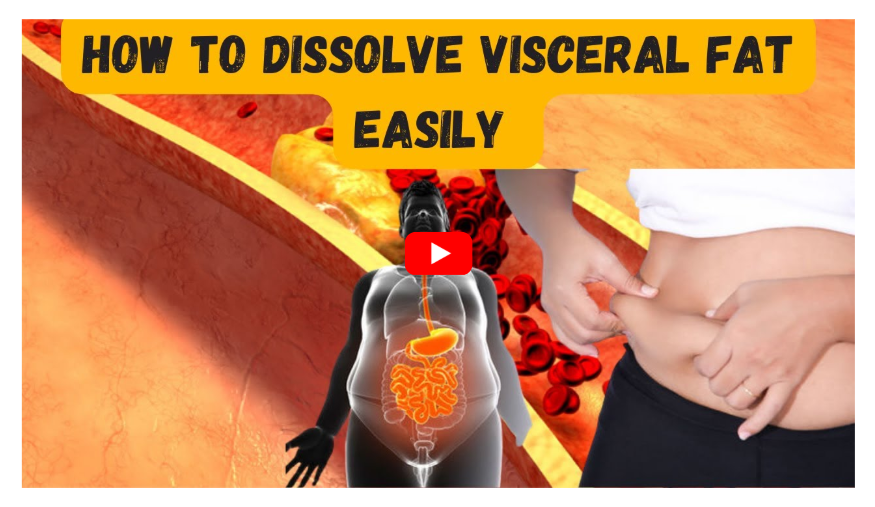
While many people obsess over subcutaneous fat (the kind you can pinch), visceral fat lurks deep beneath your skin, surrounding vital organs like your liver, pancreas, and intestines.
In this comprehensive guide, we’ll cover everything you need to know about visceral fat, what it is, why it’s dangerous, and most importantly, the fastest and most effective ways to burn visceral fat safely and sustainably.
Whether you’re just beginning your health journey or you’ve been battling belly fat for years, this post gives you the science-backed strategies and actionable steps you can start using today.


What is Visceral Fat?
Unlike subcutaneous fat (the soft fat beneath your skin), visceral fat is stored deep within the abdominal cavity around your internal organs, liver, intestines, and even the heart. This makes it particularly insidious because you can’t see it or feel it easily, yet its impact on your health is profound.
Why Visceral Fat Is Dangerous
Excessive visceral fat is strongly linked with:
- Heart disease and stroke
- Type 2 diabetes and insulin resistance
- High blood pressure and bad cholesterol
- Certain cancers (like colorectal and breast cancer)
- Metabolic syndrome
- Inflammation and hormone disruption
That’s because visceral fat isn’t just inert tissue, it’s metabolically active, releasing inflammatory substances and hormones that impair blood sugar control and increase disease risk.
Having too much visceral fat is one of the strongest predictors of chronic health problems and even early death. But the good news? It’s also one of the most responsive to early lifestyle changes, often decreasing before you notice changes in subcutaneous fat.
How to Know If You Have Too Much Visceral Fat
Since visceral fat lies deep inside, you can’t measure it directly without specialized imaging. But there are practical ways to estimate your risk:
Waist Circumference
Men with a waist larger than 40 inches (102 cm) and women over 35 inches (88 cm) are at higher risk of excess visceral fat.
Waist-to-Height Ratio
Dividing waist circumference by height gives another useful indicator. A ratio above 0.5 often signals too much visceral fat.
Body Shape
Even with normal weight, a “thick waist” or apple-shaped body can indicate high visceral fat. Often people call this being “skinny fat” or thin on the outside but unhealthy on the inside.
The Principle Behind Burning Visceral Fat
There’s no magic pill that instantly melts belly fat. However, the most potent strategy involves forcing your body to shift its energy source from glucose (from food) to stored fat, especially the dangerous visceral fat around your organs.
This is achieved by:
- Creating a calorie deficit
- Optimizing insulin and hormone balance
- Increasing metabolic rate
- Prioritizing strong lifestyle habits like sleep and stress management
The trick is to activate fat burning consistently, not just in bursts.
Fastest Ways to Burn Dangerous Visceral Fat
Below are the most effective, evidence-based ways to reduce visceral fat, backed by scientific research and clinical recommendations.
Intermittent Fasting and Strategic Eating Patterns
Many experts now agree that when you eat can be just as important as what you eat — especially when it comes to burning visceral fat.
How Fasting Helps
- Lowers insulin levels: When your body isn’t constantly processing food, insulin drops and your body starts using stored fat for fuel, including visceral fat.
- Triggers metabolic switching: This process transitions your metabolism from burning glucose to fats.
- May improve metabolic health: Studies suggest intermittent fasting can reduce visceral fat while also improving cholesterol and blood sugar profiles.
Popular fasting methods include:
- 16/8 fast: Eat during an 8-hour window and fast for 16 hours.
- Time-restricted eating: Shorten your eating window to 6–10 hours.
- 5:2 method: Normal eating 5 days, calorie restriction the other 2 days.
Note: Fasting isn’t suitable for everyone (especially pregnant women or people with certain medical conditions), so consult your healthcare provider first.
Calorie Control with Smart Nutrition
While fasting helps with metabolic shift, your diet quality and calorie balance remain crucial for reducing visceral fat.
Key Dietary Strategies
- Create a small calorie deficit: Cutting 300–500 calories per day can promote healthy fat loss without unsustainable restrictions.
- Prioritize whole foods: Fruits, vegetables, lean proteins, whole grains, and healthy fats keep you full longer and support nutrition.
- Cut added sugars and processed foods: Excess sugar and junk foods spike insulin and promote fat storage.
- Consider Mediterranean-style eating: Rich in anti-inflammatory foods like olive oil, fish, legumes, and greens, this approach supports fat loss and heart health.
- Drink water, not sugary drinks: Liquid calories from sodas and sugary beverages contribute directly to fat accumulation.
Cardio & Aerobic Exercise — Burn More Visceral Fat Faster
No discussion about visceral fat loss is complete without exercise.
Why Cardio Works
Cardiovascular exercise increases your heart rate, burns calories, and taps into fat stores especially visceral fat, which is more metabolically active than subcutaneous fat.
Best Cardio Options
- Brisk walking or jogging
- Cycling
- Swimming
- Running
- Rowing
Aim for at least 150 minutes of moderate aerobic activity or 75 minutes of vigorous activity per week.
Even better: mix cardio with strength training (see below) for maximum results.
High-Intensity Interval Training (HIIT) — Explosive Fat Burning
If cardio is effective, HIIT takes it a step further.

What Is HIIT?
HIIT alternates short bursts of intense activity with rest periods. Think:
- 30 seconds sprinting
- 60 seconds walking
- Repeat for 10–20 minutes
This style of training burns a lot of calories in a short time and significantly boosts your metabolism — even after the workout ends.
Research shows HIIT is especially effective at reducing abdominal and visceral fat compared to steady-state cardio.
How to Get Started
- Warm up 5 minutes
- Do 10 cycles of 30 sec high intensity + 60 sec rest
- Cool down 5 minutes
- Repeat 3–4 times weekly
Strength Training — Build Muscle, Burn More Fat
Aerobic exercise burns calories in the moment. Strength training builds muscle — and muscle burns calories even at rest.
Why Muscle Matters
- Boosts resting metabolic rate: More muscle → more calories burned even when you’re not exercising.
- Improves insulin sensitivity — which helps prevent fat storage.
- Preserves lean tissue while losing fat.
Strength Training Tips
Focus on major muscle groups 2–3 times per week. Examples include:
- Squats
- Deadlifts
- Push-ups
- Lunges
- Rows
Combine resistance training with cardio and HIIT for the ultimate visceral fat loss plan.
Sleep — The Unsung Hero of Fat Loss
You could be eating right and exercising every day — yet still hold onto stubborn visceral fat if you’re not sleeping enough.
Poor or insufficient sleep disrupts hormones like leptin and ghrelin, which regulate hunger and fat storage. It also increases cortisol, a stress hormone linked to visceral fat accumulation.
Sleep Tips for Fat Loss
- Aim for 7–9 hours of quality sleep nightly.
- Keep a consistent sleep schedule.
- Avoid screens before bed.
- Make your bedroom dark and quiet.
Sleep is the silent partner in every successful fat-loss journey.
Manage Stress — Because Cortisol Causes Fat Storage
Chronic stress is more than a mental burden — it’s a biological one that drives visceral fat storage via elevated cortisol.
Stress-Reducing Techniques
- Meditation and mindfulness
- Yoga or stretching
- Deep breathing exercises
- Time outdoors and sunlight exposure
- Talking to friends or a therapist
The less stressed you are, the easier it becomes to lose fat and maintain a healthy weight.
Limit Alcohol — A Surprising Contributor to Visceral Fat
Alcohol may relax you, but it also relaxes your body’s ability to burn fat. Too much alcohol is strongly linked to increased abdominal and visceral fat.
If fat loss is your goal:
- Limit alcohol intake
- Choose lower-calorie options
- Avoid sugary mixers
This one change alone can help accelerate visceral fat reduction.
Putting It All Together — Your 8-Week Plan to Burn Visceral Fat
Here’s an example weekly lifestyle plan that implements all the evidence-based strategies:
Monday
- 30-min HIIT workout
- Protein-rich meals
- 8 hours sleep
- Meditation before bed
Tuesday
- 45-min brisk walk / cycling
- Focus on fiber and healthy fats
- Hydration + sleep
Wednesday
- Strength training session
- Intermittent fasting (e.g., 16/8)
- Reduced alcohol / sugar
Thursday
- Light cardio + yoga
- Stress management focus
- Sleep optimization
Friday
- HIIT + resistance training
- Quality nutrition
- Wind-down routine for better sleep
Saturday
- Active recovery: hiking, swimming
- Mindfulness activities
- Balanced eating
Sunday
- Rest day
- Prepare food for the week
- Reflect and plan goals
Consistency over weeks leads to powerful results and visceral fat responds faster than you may expect.
Conclusion: Burn Visceral Fat for Lifelong Health
Visceral fat isn’t just about appearance, it’s a biomarker of systemic health and future disease risk. The good news? You can reduce it faster than you think if you adopt the right strategies.
From intermittent fasting and smart nutrition to cardio, HIIT, strength training, sleep, stress management, and lifestyle tweaks, the path to burning dangerous visceral fat is clear and achievable.
At Nuvectra Medical, we believe in evidence-based health transformation. If you’re committed, consistent, and supported by science, you’ll not only burn visceral fat you’ll transform your health for the long term.
References
https://www.healthline.com/nutrition/lose-visceral-fat
https://www.webmd.com/diet/what-is-visceral-fat
https://www.healthline.com/health/visceral-fat
.