
Korean Pink Salt Recipe: A Perfectly Seasoned for Your Meals

Salt is an essential ingredient in every kitchen, a crucial element that enhances the flavors of foods across the globe.
While common table salt may be the most widely used, different cultures have their own unique varieties of salt that offer distinct flavors and health benefits.
Korean Pink Salt Recipe 🍂💖 | A Flavorful Twist for Your Meals
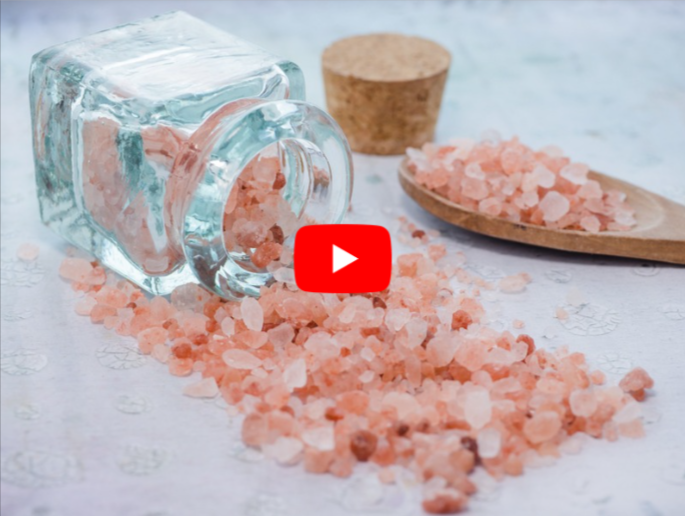

One such unique salt that has garnered attention in recent years is Korean Pink Salt. Known for its vibrant color, mineral-rich composition, and delightful flavor profile, Korean Pink Salt is a rising star in the culinary world.
Learn to make authentic Korean Pink Salt, a blend of natural flavors and health benefits. Perfect for seasoning, grilling, and enhancing your favorite dishes!
In this blog post, we’ll explore what Korean Pink Salt is, why it’s gaining popularity, and, most importantly, how you can incorporate it into your own cooking with some fantastic recipes.
What is Korean Pink Salt?
Korean Pink Salt, as the name suggests, originates from Korea, where it is traditionally harvested from the salt beds of the western coast.
The salt is extracted through a natural process where seawater evaporates in the sun, leaving behind mineral-rich crystals.
What sets Korean Pink Salt apart from regular sea salt is its unique pink hue, which comes from the minerals and trace elements present in the salt.
These minerals include calcium, magnesium, and potassium, all of which contribute to the distinctive taste and texture of the salt.
The salt’s natural pink color is not just visually appealing but also an indicator of the abundance of minerals that are beneficial for health. Korean Pink Salt is less processed than table salt, retaining much of its natural goodness.
It is also considered a more health-conscious option because it typically contains fewer additives and chemicals compared to highly refined salts. This makes it a great alternative for those who are looking to add a healthier, more natural salt to their diet.
Why Choose Korean Pink Salt?
Korean Pink Salt offers a variety of benefits that can make it a better choice than other types of salt. Here are some reasons why it should become a staple in your kitchen:
- Rich Mineral Content: Korean Pink Salt contains essential minerals like calcium, magnesium, and potassium, which contribute to the overall health benefits of the salt. These minerals are not only beneficial for your body but also enhance the flavor of your dishes.
- Healthier Alternative: Unlike regular table salt, Korean Pink Salt is less refined and doesn’t contain anti-caking agents or other chemicals. It is a natural product that retains many of the health benefits of its mineral content.
- Lower Sodium Content: Many people are concerned about their sodium intake, particularly when it comes to processed foods. Korean Pink Salt tends to be lower in sodium compared to other salts, making it a better option for those who are looking to manage their salt consumption.
- Flavorful: The mineral content of Korean Pink Salt gives it a more complex and subtle flavor compared to regular salt. It’s often described as less harsh and more earthy, making it a perfect addition to a variety of dishes.
- Aesthetic Appeal: The beautiful pink color of the salt adds an aesthetic element to your dishes. Whether used as a garnish or as a key ingredient, Korean Pink Salt can elevate the appearance of your meals.
How to Use Korean Pink Salt in Cooking?
Korean Pink Salt is incredibly versatile and can be used in a variety of dishes. Its subtle flavor makes it perfect for use in both savory and sweet recipes.
You can use it for seasoning, garnishing, or even for finishing your dishes to add a burst of flavor and color. Below, we’ll explore some delicious recipes where you can use Korean Pink Salt to create authentic Korean flavors and beyond.
Transform Your Dishes with Korean Pink Salt 🌸✨| Must-Try Recipe

Korean Pink Salt Recipes
1. Kimchi (Korean Fermented Cabbage)
Kimchi is one of Korea’s most iconic dishes, and it’s a great way to introduce Korean Pink Salt into your cooking. This traditional fermented dish is made with napa cabbage, Korean chili flakes, garlic, ginger, and other seasonings. Korean Pink Salt plays a crucial role in the fermentation process by drawing out moisture from the cabbage and helping to preserve the dish.
Ingredients:
- 1 medium napa cabbage
- 1/4 cup Korean Pink Salt
- 4 cups water
- 1 tablespoon grated ginger
- 3 tablespoons minced garlic
- 2 tablespoons fish sauce
- 3 tablespoons Korean chili flakes (gochugaru)
- 2 teaspoons sugar
- 1/4 cup chopped green onions
Instructions:
- Begin by cutting the napa cabbage into quarters and removing the core. Chop it into bite-sized pieces.
- Dissolve the Korean Pink Salt in the water and soak the cabbage in this brine solution for about 3-4 hours. This will help soften the cabbage and allow it to release excess water.
- After the cabbage has softened, rinse it thoroughly to remove excess salt. Drain the cabbage well.
- In a separate bowl, combine the garlic, ginger, fish sauce, chili flakes, sugar, and green onions to create the kimchi paste.
- Massage the kimchi paste into the cabbage, ensuring that each piece is coated evenly.
- Transfer the kimchi to a clean jar, pressing it down to eliminate air pockets. Seal the jar tightly and leave it at room temperature for 1-2 days to ferment.
- Once the kimchi has fermented, store it in the refrigerator. The longer it ferments, the more flavorful it will become.
Kimchi made with Korean Pink Salt offers a more delicate and less salty flavor profile, while still delivering that signature tangy taste.
2. Grilled Korean BBQ (Samgyeopsal)
Korean BBQ is another staple of Korean cuisine, and it’s a great opportunity to showcase the versatility of Korean Pink Salt. Samgyeopsal, or grilled pork belly, is one of the most popular BBQ dishes in Korea. The salt enhances the natural flavors of the meat, adding a savory and slightly mineral taste that complements the richness of the pork.
Ingredients:
- 2 pounds of pork belly, cut into 1/2-inch thick slices
- 1 tablespoon Korean Pink Salt
- 1 tablespoon sesame oil
- 1 tablespoon soy sauce
- 2 teaspoons minced garlic
- 1 teaspoon freshly ground black pepper
- 1 teaspoon toasted sesame seeds
- Lettuce leaves for wrapping
Instructions:
- Preheat your grill or grill pan over medium-high heat.
- In a bowl, mix the sesame oil, soy sauce, minced garlic, black pepper, and Korean Pink Salt to create a marinade.
- Coat the pork belly slices with the marinade and let them sit for 20-30 minutes to absorb the flavors.
- Grill the pork belly slices for about 3-4 minutes on each side, or until they are crispy and golden brown.
- Once the pork is cooked, remove it from the grill and sprinkle it with toasted sesame seeds.
- Serve the grilled pork belly with lettuce leaves, rice, and your favorite dipping sauces.
The Korean Pink Salt enhances the umami flavor of the pork, giving the dish an extra layer of depth and complexity.
3. Korean Salted Egg (Gyeran Jjim)
Gyeran Jjim is a popular Korean steamed egg dish that is often enjoyed as a side dish or appetizer. The Korean Pink Salt in this recipe brings a natural saltiness to the dish without overpowering the delicate flavor of the eggs.
Ingredients:
- 4 large eggs
- 1/2 cup chicken broth (or water)
- 1 tablespoon Korean Pink Salt
- 1 tablespoon sesame oil
- 1 teaspoon soy sauce
- 1/2 teaspoon minced garlic
- 1/4 teaspoon freshly ground black pepper
- Green onions, chopped for garnish
Instructions:
- In a bowl, whisk together the eggs, chicken broth, soy sauce, sesame oil, minced garlic, and Korean Pink Salt.
- Pour the egg mixture into a heatproof bowl or a small pot.
- Bring a pot of water to a gentle simmer. Place the bowl with the egg mixture into the simmering water, making sure that the water doesn’t touch the eggs. Cover the pot and let it steam for about 12-15 minutes, or until the eggs are set and slightly firm.
- Once the eggs are done, remove the bowl from the pot and garnish with freshly ground black pepper and chopped green onions.
This Korean dish is a delicate, savory treat with the perfect balance of saltiness from the Korean Pink Salt, creating a rich and satisfying experience.
Unlock the Secret of Korean Pink Salt 🌸| Healthy & Flavorful Recipe

4. Korean Spicy Salted Shrimp (Saewoo Jeot)
Another delicious way to incorporate Korean Pink Salt into your dishes is by making Saewoo Jeot, a type of salted shrimp often used as a condiment in Korean cuisine. It’s used in various dishes, including kimchi and stews, to impart a deep, savory flavor.
Ingredients:
- 1/2 cup raw shrimp (peeled and deveined)
- 2 tablespoons Korean Pink Salt
- 1 tablespoon Korean chili flakes (gochugaru)
- 1 teaspoon minced garlic
- 1 tablespoon fish sauce
- 1 tablespoon sugar
Instructions:
- Combine the shrimp, Korean Pink Salt, chili flakes, garlic, fish sauce, and sugar. Mix thoroughly, ensuring the shrimp are well-coated.
- Transfer the mixture to a clean jar and press it down to remove any air pockets.
- Seal the jar and let it sit in the refrigerator for 3-4 days to allow the flavors to meld.
- Use the salted shrimp as a topping for rice, in stews, or as a component in kimchi.
The combination of the Korean Pink Salt and spicy chili flakes creates a perfect balance of flavors, making Saewoo Jeot a great addition to your culinary repertoire.
Conclusion
Korean Pink Salt is a wonderful ingredient that can transform your cooking. With its mineral-rich content and subtle, earthy flavor, it brings a touch of authenticity to Korean dishes and enhances the overall taste of your meals.
Whether you’re making kimchi, grilled Korean BBQ, or a simple steamed egg dish, Korean Pink Salt can elevate your cooking experience to new heights.
By experimenting with these recipes, you can enjoy the flavors of Korea right at home. So, why not introduce this unique salt into your kitchen and take your culinary adventures to the next level?
Reference
-
“Is Pink Himalayan Salt Better Than Regular Salt?” https://www.healthline.com/nutrition/pink-himalayan-salt
-
“Himalayan Salt: Is It Good for You?” https://www.webmd.com/diet/himalayan-salt-good-for-you