Vicks VapoRub for Memory Loss Elon Musk: Facts and Myths
Vicks VapoRub For Memory Loss Elon Musk: What Science Really Says
Smell and memory are deeply connected, but can a household ointment treat memory loss? Here is a clear, evidence-informed look at the claim, the celebrity link, and the habits that truly support your brain.
Memory plays an essential role in everyday life. It helps us recognize familiar faces, enjoy meaningful experiences, learn new skills, and maintain connections with the people we love. As interest in brain health grows, many people are exploring practical ways to support memory, concentration, and long-term cognitive wellness.
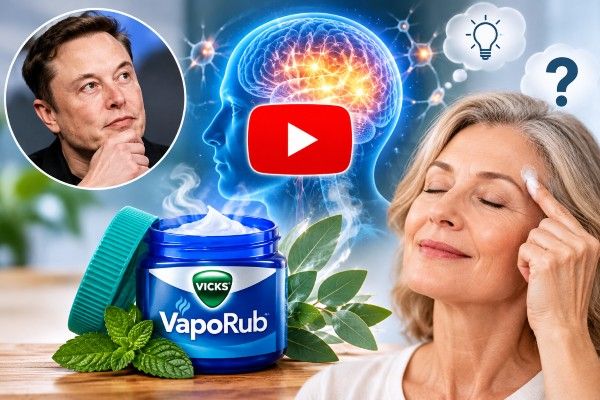
One unusual topic attracting online attention is “Vicks VapoRub For Memory Loss Elon Musk.” This search phrase combines a familiar household product, growing interest in natural wellness approaches, and curiosity about the link between neuroscience and modern technology.


Could the distinctive aroma of Vicks VapoRub be connected to memory? What can scientific research tell us about the relationship between smell and the brain? And how can people incorporate evidence-informed habits into their daily routines to support cognitive health?
This guide explores the topic in detail, discusses the science behind sensory stimulation, and shares practical strategies for maintaining a healthy, active mind.
Quick Summary
-
🧠 Smell and memory are closely connected.
-
🌿 Vicks VapoRub offers a refreshing scent but is not a proven memory-loss treatment.
-
🔍 Claims about Elon Musk’s endorsement require reliable verification.
-
💚 Healthy sleep, exercise, and nutrition support brain health.
-
👨⚕️ Professional guidance helps address persistent memory changes.
What Is Vicks VapoRub, and Why Is It Associated With Memory?
Vicks VapoRub is a familiar topical ointment used for temporary relief of cough symptoms associated with colds and for minor muscle and joint discomfort. Its distinctive aroma comes from ingredients such as menthol, camphor, and eucalyptus oil.
For many people, its recognizable scent is associated with comfort, family routines, and memories of being cared for during childhood illnesses.
These personal associations help explain why a familiar aroma can feel meaningful. Smell isn’t just a way to identify our surroundings; it also shapes how we experience emotions and recall past events.
Researchers have spent decades investigating the relationship between olfaction, the scientific term for the sense of smell, and the brain’s memory systems.
Although this research is fascinating, it is important to distinguish between a scent that reminds someone of a past experience and a product that clinically improves memory.
Vicks VapoRub has a recognizable aroma, but its ability to trigger familiarity should not be confused with a proven memory-enhancing effect. The product’s established uses remain focused on temporary symptom relief, rather than the treatment of cognitive impairment or neurological disease.
Elon Musk and the Growing Interest in Brain Technology
Elon Musk is widely associated with technological innovation, artificial intelligence, space exploration, and the development of brain-computer interfaces through Neuralink.
These fields have encouraged public discussion about how technology might interact with the human brain and potentially improve the lives of people experiencing neurological disabilities.
This broader interest in neuroscience may help explain why some internet searches combine Musk’s name with topics involving memory and cognitive health.
However, it is important to distinguish verified technological developments from claims circulating in online advertisements.
That does not make the broader topic of memory research any less interesting. Scientists continue to investigate how the brain forms memories, how sensory experiences influence recall, and how lifestyle and medical interventions may support cognitive function.
For readers interested in brain health, the best approach is to explore these developments through reliable scientific sources rather than relying on celebrity-associated marketing claims.
Why Celebrity Health Claims Spread So Easily
Famous names attract attention, and attention drives clicks. Online ads sometimes pair a well-known figure with a health topic because the association feels trustworthy at a glance, even when no real statement or partnership exists.
Common warning signs include dramatic headlines, edited screenshots, fake news-style layouts, urgent countdown timers, and promises of a “secret” doctors supposedly don’t want you to know. Pausing to check the original source usually reveals whether the claim holds up.
The Fascinating Connection Between Smell and Memory
One of the most interesting aspects of human neuroscience is the close relationship between the sense of smell and memory.
Think about the aroma of freshly baked bread, a favorite meal, or flowers in a familiar garden. A single scent can sometimes bring back a vivid recollection of a person, place, or experience. This phenomenon shows how sensory information can become linked to stored memories.
When odor molecules enter the nose, specialized sensory receptors detect them and send signals through the olfactory system. These signals reach brain regions involved in identifying smells and communicating with networks responsible for emotion and memory.
Two important structures involved in these processes are the hippocampus and the amygdala.
The Hippocampus: Supporting Learning and Memory
The hippocampus plays an important role in forming new memories and organizing experiences. It helps connect information about events, locations, and people so that the brain can retrieve those experiences later.
When someone encounters a familiar scent, the brain may associate it with information previously stored about a particular event. For example, the smell of a traditional family recipe may bring back memories of celebrations, conversations, or time spent with relatives.
However, recalling an old memory in response to a scent does not necessarily mean that the scent improves general memory performance. A scent can remind you of a memory without treating memory loss.
The Amygdala: Connecting Smell With Emotion
The amygdala helps process emotions and contributes to the emotional significance of experiences. Because smell and emotion are closely connected, certain aromas can create strong feelings of familiarity, comfort, excitement, or nostalgia.
These experiences can make memories feel particularly vivid. For example, an aroma associated with a childhood home may bring back a sense of warmth and familiarity even after many years. Understanding these relationships helps researchers investigate how sensory information influences human experience.
Scent and Reminiscence: A Gentle, Comforting Use
Although a familiar scent isn’t a medical treatment, it can still play a supportive, comforting role. Caregivers and families sometimes use familiar aromas, music, and photographs during conversations to encourage storytelling and connection.
The goal in this setting is emotional comfort and engagement, not curing memory loss. A pleasant shared moment has value on its own, and it is best viewed as an addition to professional care rather than a replacement for it.
Why Smell Research Matters for Brain Health
Researchers have observed that changes in smell function can sometimes accompany neurological conditions, including Alzheimer’s disease and Parkinson’s disease. Scientists are studying whether smell-related assessments could contribute to the early evaluation of certain neurological changes.
However, aging, allergies, nasal conditions, and respiratory infections can also affect smell function. A change in smell does not automatically indicate a neurological disorder. Similarly, exposure to a strong scent does not establish that cognitive function will improve.
The encouraging aspect of this research offers valuable insight into how different sensory systems interact with the brain.
Can Vicks VapoRub Support Memory Improvement?
Vicks VapoRub contains ingredients that create a distinctive aromatic, cooling sensation. Some people find this sensation refreshing or associate the smell with familiar experiences.
Nevertheless, no established clinical evidence shows that Vicks VapoRub improves memory, restores lost memories, or prevents dementia.
This distinction is important because positive feelings, sensory stimulation, and measurable cognitive improvement are different outcomes. A person may enjoy a familiar aroma and feel more comfortable without experiencing a measurable change in their ability to learn or recall information.
Understanding the Difference Between Alertness and Memory
Certain smells may influence how people feel in the moment. For example, a strong mint-like aroma may feel refreshing to some individuals. However, feeling refreshed does not necessarily translate into better attention, learning, or long-term memory.
Researchers studying cognitive performance use specific assessments to measure different abilities, such as verbal learning, attention, and delayed recall.
To show that a product improves memory, researchers need well-designed clinical trials that demonstrate meaningful benefits and an acceptable safety profile. Such evidence has not established Vicks VapoRub as a treatment for memory loss.
A Positive Perspective on Sensory Research
Although Vicks VapoRub is not a proven cognitive treatment, research into smell and memory continues to offer useful scientific insights. Understanding how the brain responds to sensory experiences may help researchers develop and evaluate new approaches to rehabilitation and cognitive wellness.
For example, olfactory training has been investigated as a method for improving smell function in certain circumstances. Researchers have also examined whether structured scent exposure could influence selected cognitive outcomes.
These findings encourage continued investigation, but more evidence is needed to determine which interventions are effective, for whom, and under what conditions. The promising opportunity lies in continued scientific research, not in assuming that a household ointment can restore memory.
Common Myths About Vicks VapoRub and the Brain
Reality: The cooling feeling may be refreshing, but it has not been shown to improve learning or recall.
Reality: Scent intensity is not evidence of cognitive benefit. Effects must be measured in well-designed human studies.
Reality: Names are often used in ads without any real endorsement. Always look for the original statement.
Reality: Ingredients like camphor can be harmful if used incorrectly, so label directions matter.
Understanding the Ingredients in Vicks VapoRub
Learning about the product’s ingredients can help readers understand its intended uses and why it smells so distinctive. The labeled active ingredients commonly include menthol, camphor, and eucalyptus oil, although formulations can vary.
Menthol
Menthol produces a cooling sensation by interacting with sensory receptors involved in the perception of cold. It is commonly used in topical products that create a refreshing or cooling feeling.
Some people find menthol’s aroma pleasant or stimulating. However, no established clinical evidence shows that menthol ointment treats memory loss or prevents dementia.
Camphor
Camphor contributes to the distinctive characteristics of various topical preparations. It has established uses in certain products intended for external application, but it must be handled appropriately.
Camphor can be toxic if swallowed and may cause serious symptoms, including seizures, following significant exposure. For this reason, Vicks VapoRub should only be used according to its label.
Eucalyptus Oil
Eucalyptus oil contributes an herbal aroma to the ointment. Researchers have investigated aromatic plant compounds in several areas, including sensory perception and aromatherapy.
However, findings from studies of individual compounds or other essential-oil preparations cannot automatically be applied to Vicks VapoRub. The formulation, concentration, exposure method, and study population all matter when interpreting scientific results.
What These Ingredients Mean for Memory
Each ingredient contributes to the product’s intended topical or aromatic properties. None has established Vicks VapoRub as an effective treatment for memory loss.
Understanding ingredients helps consumers make informed choices and appreciate the difference between a product’s established use and unverified health claims.
Safe Use of Vicks VapoRub: What the Label Is For
Because the product is so familiar, it is easy to forget that it still carries important safety directions. Using it as intended protects you and your family.
- Use it only on the skin as directed on the package. Never swallow it.
- Do not place it inside the nostrils or near the eyes.
- Do not apply it to broken or irritated skin.
- Do not heat it or add it to hot water, and avoid tight bandages over treated skin unless the label allows it.
- It is labeled for children aged 2 years and older. Do not use it on babies or toddlers under 2.
- Keep it out of reach of children, and contact a poison control center or doctor promptly after accidental ingestion.
If you have asthma, a chronic breathing condition, a skin condition, or are pregnant, ask a healthcare professional before using it, and always follow the current instructions printed on your product.
What Does Scientific Research Say About Aromatherapy?
Researchers have studied how scents may influence mood, relaxation, and certain aspects of cognitive performance. Some studies have examined inhaled essential oils, while others have focused on structured olfactory training.
These approaches are not interchangeable because they involve different substances, methods, and goals.
Olfactory Training and Cognitive Research
Olfactory training generally involves repeatedly smelling selected odors on a structured schedule. Researchers have studied it primarily for its potential to improve smell function. Some researchers have also explored possible effects on cognitive performance.
A systematic review published in 2023 examined research on olfactory training and brain function. The findings suggested potential benefits for selected cognitive measures, but differences in study methods and limitations in the available evidence made firm conclusions difficult.
These results provide a useful starting point for further research. They do not establish that every aromatic product produces similar effects or that smell-based interventions can reverse dementia.
Inhaled Aromatherapy and Cognitive Impairment
A systematic review and meta-analysis published in 2025 examined inhaled aromatherapy among people with cognitive impairment. The review included 14 studies involving 888 participants and reported improvements in some cognitive assessment scores.
However, the studies differed in their interventions, methods, and participant characteristics. Additional high-quality research is needed to clarify the findings and determine whether any benefits are clinically meaningful and long-lasting.
The research is encouraging as an area of scientific investigation, but it should be interpreted carefully. Early findings can inspire future research without establishing a proven treatment.
What Researchers Need to Learn Next
Future studies may clarify which scents are most useful, how often people should be exposed, and which groups of people might benefit. Researchers also need to determine whether any observed improvements translate into meaningful changes in everyday activities.
For individuals with cognitive impairment, a useful intervention should ideally provide measurable benefits in areas that matter to daily life, such as communication, independence, or quality of life. These outcomes require more than anecdotal reports or short-term changes on cognitive tests.
Positive Lifestyle Habits That Support Brain Health
While research into sensory stimulation continues, there are several practical ways to support overall cognitive wellness. No single habit guarantees protection against Alzheimer’s disease, but healthy routines can support general well-being and help address some risk factors associated with cognitive decline.
1. Make Quality Sleep a Priority
Sleep supports attention, learning, and memory consolidation. During sleep, the brain processes information and supports important restorative functions. Insufficient sleep can make it harder to concentrate, increase mental fatigue, and worsen forgetfulness.
Most adults should aim for approximately seven to nine hours of sleep each night, although individual needs vary. A consistent sleep schedule, a comfortable bedroom, and reduced caffeine consumption late in the day may help improve sleep quality.
People who experience persistent daytime sleepiness or symptoms of sleep apnea should discuss them with a medical professional.
2. Keep Your Body Moving
Physical activity supports cardiovascular health and overall well-being. Regular exercise can help manage blood pressure, blood sugar, and other factors associated with long-term brain health.
Walking, cycling, swimming, dancing, and strength-training exercises are practical options for many adults. When medically appropriate, aiming for at least 150 minutes of moderate-intensity aerobic activity each week is a useful general goal.
Even short periods of movement can be a positive starting point for people who have been inactive. Consistent activity is more valuable than waiting for the perfect exercise routine.
3. Enjoy a Balanced, Nutrient-Rich Diet
The brain requires a range of nutrients to function normally. Dietary patterns such as the Mediterranean and MIND diets emphasize vegetables, fruits, whole grains, legumes, nuts, and other nutrient-rich foods. They also encourage appropriate choices regarding fats and highly processed foods.
Useful foods to include in a balanced eating pattern are:
- Leafy green vegetables such as spinach and kale.
- Berries and other colorful fruits.
- Fatty fish that provide omega-3 fatty acids.
- Nuts and seeds.
- Beans, lentils, and whole grains.
- Olive oil and other sources of unsaturated fats.
No single food guarantees better memory, but a balanced diet can support cardiovascular and metabolic health.
4. Continue Learning New Skills
Learning helps keep the mind engaged. Reading, practicing music, studying a language, cooking new recipes, or developing a creative hobby can introduce new challenges and experiences.
Cognitive training can improve certain abilities, but improvements in a specific exercise don’t necessarily transfer to every aspect of everyday memory. The most important goal is to maintain an enjoyable and stimulating routine. Choosing meaningful activities can make it easier to stay consistent over time.
5. Stay Socially Connected
Conversations, shared activities, and meaningful relationships provide opportunities for mental engagement. Spending time with friends, participating in community events, volunteering, or joining a group hobby can help maintain social connections. These activities may also support emotional well-being and reduce feelings of isolation. Social engagement is not a guaranteed method of preventing dementia, but it is a valuable part of a balanced lifestyle.
6. Manage Cardiovascular Health
The brain depends on a healthy supply of blood and oxygen. High blood pressure, diabetes, smoking, and elevated cholesterol can affect vascular health and contribute to certain forms of cognitive decline. Regular health checkups and appropriate management of these conditions are important steps toward protecting long-term well-being. People taking prescribed medications should continue following their healthcare professional’s guidance.
7. Investigate Persistent Memory Changes
Forgetfulness can have many possible causes. Sleep disorders, medication effects, depression, thyroid conditions, and vitamin B12 deficiency can sometimes contribute to cognitive symptoms. Some of these conditions can improve with appropriate treatment. A healthcare professional can review symptoms, medications, medical history, and possible testing to determine the next steps. Identifying the cause of memory problems creates a clearer path toward appropriate care.

A Simple Daily Brain-Health Routine You Can Start Today
Big goals are easier when they are broken into small, repeatable steps. Here is an easy framework you can adapt to your own schedule.
Morning: get some daylight, drink water, and take a short walk if you can.
Midday: eat a balanced meal with vegetables, protein, and whole grains, and take a few minutes to chat with someone.
Afternoon: spend time on something that challenges you, such as a puzzle, a language app, music practice, or a new recipe.
Evening: wind down with less screen time, keep a consistent bedtime, and aim for restful sleep.
When to Talk to a Doctor About Memory Changes
Occasional forgetfulness, like misplacing keys, is common. Seek medical advice if changes are persistent, worsening, or affecting daily life. Examples include:
- Repeatedly asking the same questions or forgetting recent conversations.
- Getting lost in familiar places.
- Difficulty managing bills, medications, or familiar tasks.
- Trouble finding common words or following conversations.
- Noticeable changes in mood, judgment, or personality.
Early evaluation can identify treatable causes and make it easier to plan supportive care. If symptoms appear suddenly, seek urgent medical attention.
How to Approach Online Memory Improvement Claims With Confidence
The popularity of searches involving Vicks VapoRub and Elon Musk shows the importance of carefully evaluating health information. A positive, informed approach does not require dismissing every new idea. Instead, it involves distinguishing promising possibilities from established facts.
When evaluating a memory-related claim, consider the following questions:
- Is the claim supported by published human research?
- Does the evidence involve the exact product being advertised?
- Have independent researchers replicated the findings?
- Does the claim promise a guaranteed or immediate cure?
- Is a celebrity’s name being used without a verifiable endorsement?
- Does the source explain the risks, limitations, and uncertainty?
Reliable health information usually acknowledges what researchers know, what remains uncertain, and which conclusions cannot yet be drawn.
Testimonials can provide personal perspectives, but they cannot establish that a treatment works for everyone. Similarly, scientific research involving one ingredient does not prove that a commercial product containing that ingredient will have the same effect. An informed reader can remain curious while making decisions grounded in reliable evidence.
Frequently Asked Questions
Does Vicks VapoRub help improve memory?
Vicks VapoRub has not been established as a treatment for memory loss. Its aroma may evoke familiar experiences, but this is different from demonstrating measurable improvements in cognitive function.
Did Elon Musk recommend Vicks VapoRub for memory loss?
No credible, verified evidence shows that Elon Musk has endorsed Vicks VapoRub as a memory treatment. Readers should verify celebrity health claims through authentic announcements and reliable sources.
Can smelling Vicks VapoRub trigger old memories?
A familiar aroma can sometimes trigger autobiographical memories because smell is closely linked to the brain systems involved in emotion and memory. Individual experiences vary, and this does not mean the product treats memory impairment.
Is it safe to apply Vicks VapoRub on the forehead or temples?
The label directs external use on specific areas such as the chest, throat, and sore muscles, and warns against contact with eyes and nostrils. Follow the package directions, and ask a healthcare professional if you are unsure.
Is aromatherapy a promising area of research?
Yes. Researchers are investigating how scent exposure and olfactory training may affect smell function, mood, and selected cognitive outcomes. Further research is needed to establish reliable clinical benefits.
What is the difference between ordinary forgetfulness and concerning memory loss?
Occasional forgetfulness is common, but persistent or worsening changes that interfere with everyday life deserve professional assessment. A healthcare professional can help identify possible causes and appropriate care options.
What is a positive first step for supporting brain health?
Start with manageable habits, such as maintaining a regular sleep schedule, walking regularly, eating balanced meals, and staying socially engaged. If memory concerns persist, arrange a medical evaluation.
Can memory problems sometimes improve?
Yes. Some cognitive symptoms related to treatable conditions, including sleep problems, medication effects, or certain nutritional deficiencies, may improve when the underlying cause is addressed. The outcome depends on the cause.
Final Verdict: Vicks VapoRub for Memory Loss Elon Musk
The topic “Vicks VapoRub for Memory Loss Elon Musk” reflects growing interest in memory, sensory stimulation, and neuroscience. Research into the connection between smell and memory, olfactory training, and healthy lifestyle habits continues to offer promising opportunities for better understanding brain health.
Vicks VapoRub provides a distinctive menthol scent that may create a refreshing sensory experience, although it has not been established as a treatment for memory loss, Alzheimer’s disease, or dementia. Claims about Elon Musk endorsing it for these purposes should be checked against credible, verified sources.
The good news is that everyday habits can help support long-term brain health. Regular physical activity, quality sleep, balanced nutrition, social engagement, and appropriate medical care all play valuable roles in cognitive wellness. Anyone experiencing persistent memory changes can benefit from professional evaluation and evidence-based guidance.