
How to Relieve Stomach Pain from GLP-1? Relief Guide

GLP-1 medications have become increasingly recognized as valuable tools for supporting weight management and improving metabolic health.
These medications work by mimicking the natural hormone glucagon-like peptide-1 (GLP-1), which helps regulate appetite, blood sugar levels, insulin activity, and digestion.
💊 How to Relieve Stomach Pain from GLP-1 Fast! Proven Tips & Remedies
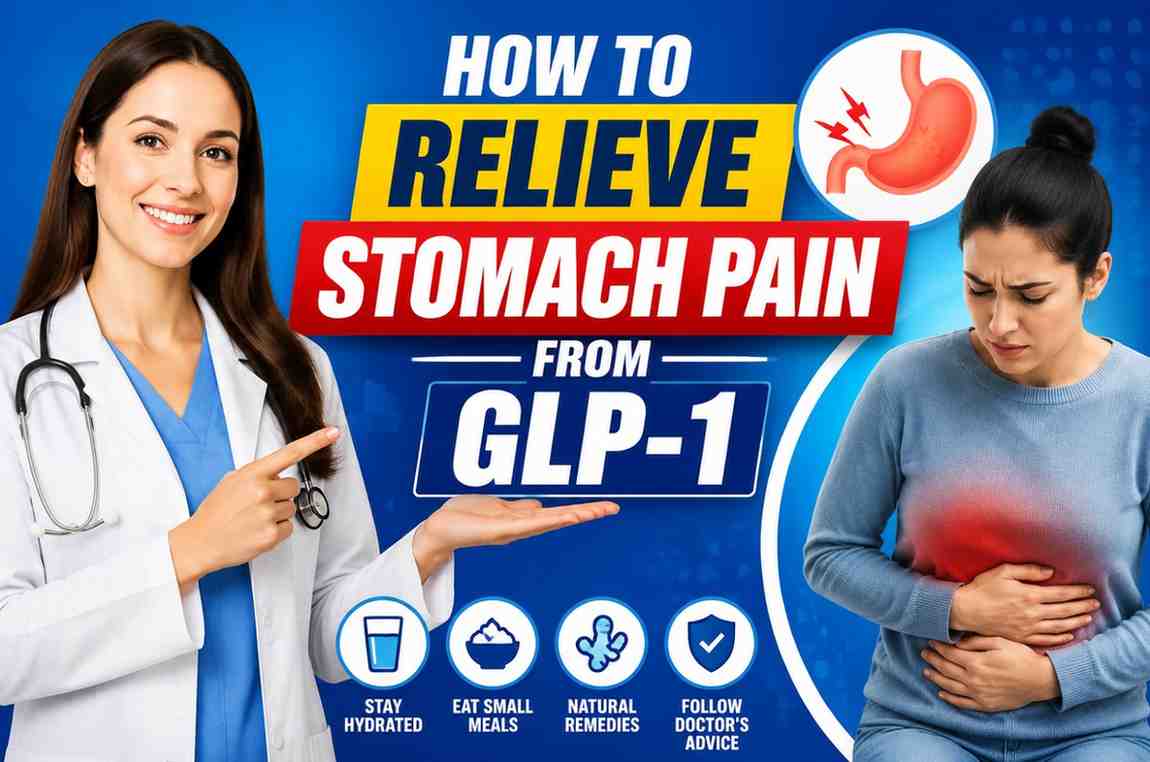
Although many people experience positive results while using GLP-1 medications, digestive discomfort is one of the most frequently reported concerns.
Some individuals may experience stomach pain, nausea, bloating, constipation, gas, or a feeling of fullness that lasts longer than expected.
Understanding how GLP-1 medications affect digestion is the first step toward reducing stomach discomfort and improving the overall treatment experience.
GLP-1 stomach pain is often caused by slower digestion and adjustment. Learn how smaller meals, hydration, and smart habits may help reduce discomfort.
The digestive system changes caused by GLP-1 medications are not necessarily a sign that something is wrong.
These medications are designed to slow digestion and increase feelings of fullness, which can support appetite control. However, these same effects may temporarily create digestive challenges while the body adjusts.
What Are GLP-1 Medications?
GLP-1 medications are treatments that mimic the action of the GLP-1 hormone, which is naturally produced in the body after eating.
The hormone plays several important roles, including:
- Supporting insulin production
- Helping regulate blood sugar
- Reducing appetite signals
- Increasing feelings of fullness
- Slowing stomach emptying
Because GLP-1 medications influence appetite and digestion, they are commonly used in weight management and type 2 diabetes care.
Some commonly known GLP-1 medications include:
| Medication Type | Common Use |
|---|---|
| Semaglutide-based medications | Blood sugar control and weight management |
| Tirzepatide-based medications | Metabolic health and weight management |
| Liraglutide-based medications | Diabetes and weight-related care |
| Dulaglutide-based medications | Diabetes management |
While these medications can provide meaningful benefits, digestive side effects are among the most common experiences reported by users. These may include nausea, constipation, diarrhea, vomiting, and abdominal discomfort.
Why Does GLP-1 Cause Stomach Pain?
The main reason GLP-1 medications can cause stomach pain is their effect on digestion.
GLP-1 medications slow down the movement of food from the stomach into the intestines. This process is known as delayed gastric emptying.
This action helps:
- Keep you feeling full longer
- Reduce hunger
- Support portion control
- Improve appetite regulation
However, when food stays in the stomach longer than usual, some people may experience:
- A heavy stomach feeling
- Abdominal pressure
- Nausea
- Bloating
- Cramping
- Discomfort after meals
The same mechanism that helps reduce appetite can also create temporary digestive discomfort.
Many digestive symptoms are most noticeable:
- During the first few weeks of treatment
- After increasing the medication dose
- After eating large or heavy meals
Research shows that gastrointestinal side effects are commonly reported early in treatment and often become less noticeable as the body adapts.
GLP-1 Causing Stomach Pain? Try These Relief Hacks!
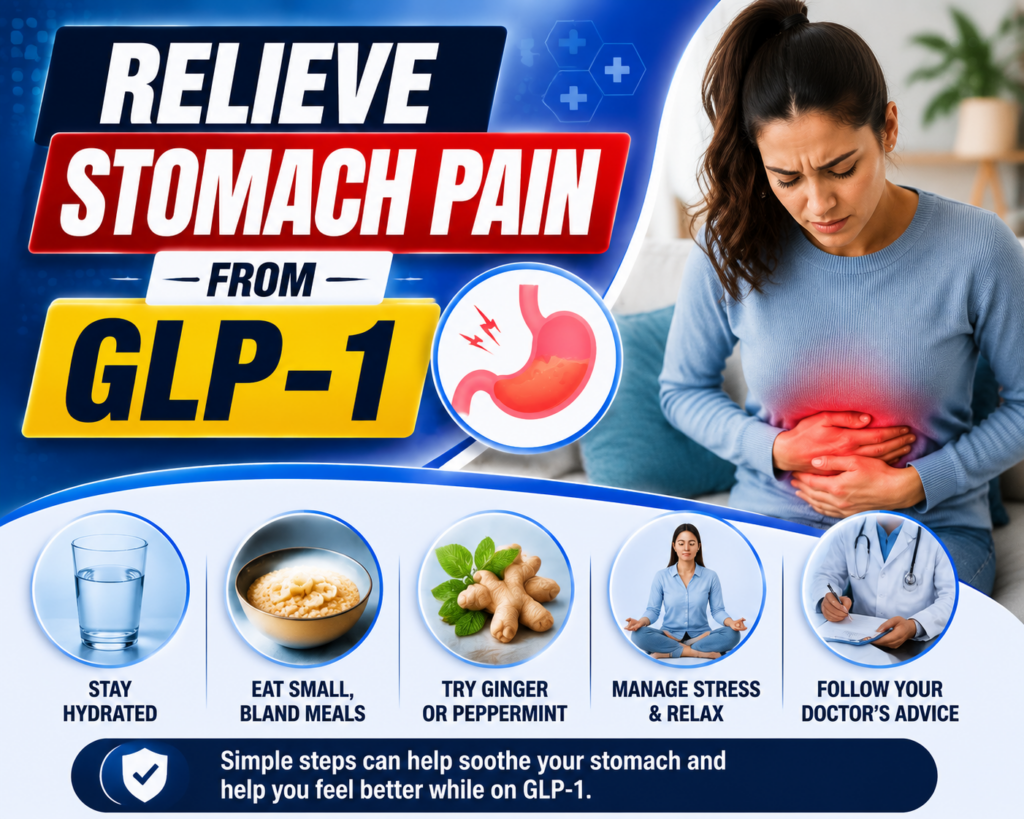
Common Symptoms of GLP-1 Stomach Discomfort
GLP-1-related stomach pain can appear differently from person to person.
1. Abdominal Pain
Some people describe stomach pain as:
- Mild cramping
- Tightness
- Pressure
- Aching discomfort
- Feeling overly full
This may occur because the stomach is processing food more slowly.
2. Nausea
Nausea is one of the most common digestive complaints associated with GLP-1 medications.
Symptoms may include:
- Feeling sick after eating
- Reduced appetite
- Mild stomach upset
- Difficulty eating normal portions
Nausea often improves as the body adjusts.
3. Bloating and Gas
Because digestion slows, some people may experience:
- Increased fullness
- Gas buildup
- Abdominal swelling
- Discomfort after meals
Reducing meal size and avoiding foods that trigger gas may help.
4. Constipation
Slower digestion may also affect bowel movements.
Signs of constipation include:
- Fewer bowel movements
- Hard stools
- Difficulty passing stool
- Abdominal pressure
Constipation can contribute to stomach pain and discomfort.
How Long Does GLP-1 Stomach Pain Last?
The duration of GLP-1 stomach pain varies depending on several factors.
For many people, digestive symptoms improve within a few weeks as the body adjusts.
However, symptoms may continue longer depending on:
| Factor | Effect |
|---|---|
| Medication dose | Higher doses may increase digestive symptoms |
| Diet choices | Heavy meals may worsen discomfort |
| Hydration | Low fluid intake can contribute to constipation |
| Digestive sensitivity | Some people adjust more slowly |
| Dose increases | Symptoms may temporarily return |
Mild stomach discomfort is often temporary, but severe or worsening pain should always be evaluated by a healthcare professional.
How to Relieve Stomach Pain from GLP-1?
1. Eat Smaller Meals More Frequently
One of the most effective ways to reduce stomach discomfort from GLP-1 medications is changing meal size.
Because digestion is slower, large meals may overwhelm the stomach.
Instead of eating:
❌ Three very large meals
Try:
✅ Four to six smaller meals throughout the day
Smaller meals may help reduce:
- Stomach pressure
- Nausea
- Bloating
- Feeling excessively full
Example meal pattern:
| Time | Example |
|---|---|
| Breakfast | Eggs with vegetables |
| Snack | Greek yogurt or fruit |
| Lunch | Lean protein with vegetables |
| Snack | Nuts or a protein option |
| Dinner | Light balanced meal |
2. Eat Slowly and Listen to Fullness Signals
GLP-1 medications often reduce hunger signals, which means your body may feel satisfied with less food.
Eating too quickly can lead to:
- Overeating
- Stomach discomfort
- Increased fullness
Helpful habits include:
- Taking smaller bites
- Chewing thoroughly
- Eating without rushing
- Stopping when comfortably full
Slow eating allows your body time to recognize fullness before discomfort develops.
3. Avoid High-Fat Foods
High-fat foods may worsen stomach discomfort because they naturally take longer to digest.
Foods that may trigger symptoms include:
- Fried foods
- Fast food
- Greasy meals
- Heavy cream sauces
- Large portions of fatty meats
Better choices include:
| Choose | Benefits |
|---|---|
| Lean chicken | Provides protein with less fat |
| Fish | Easy-to-digest protein option |
| Vegetables | Supports balanced nutrition |
| Whole grains | Provides steady energy |
| Soup-based meals | Often easier on digestion |
4. Stay Hydrated
Hydration is important while taking GLP-1 medications.
Drinking enough fluids may support:
- Healthy digestion
- Regular bowel movements
- Reduced constipation
- Better energy levels
Helpful hydration habits:
- Drink water consistently throughout the day
- Take small sips if nausea occurs
- Increase fluids during constipation
- Avoid waiting until you feel thirsty
Some people naturally drink less while using GLP-1 medications because appetite and food intake decrease, making awareness of hydration especially important.
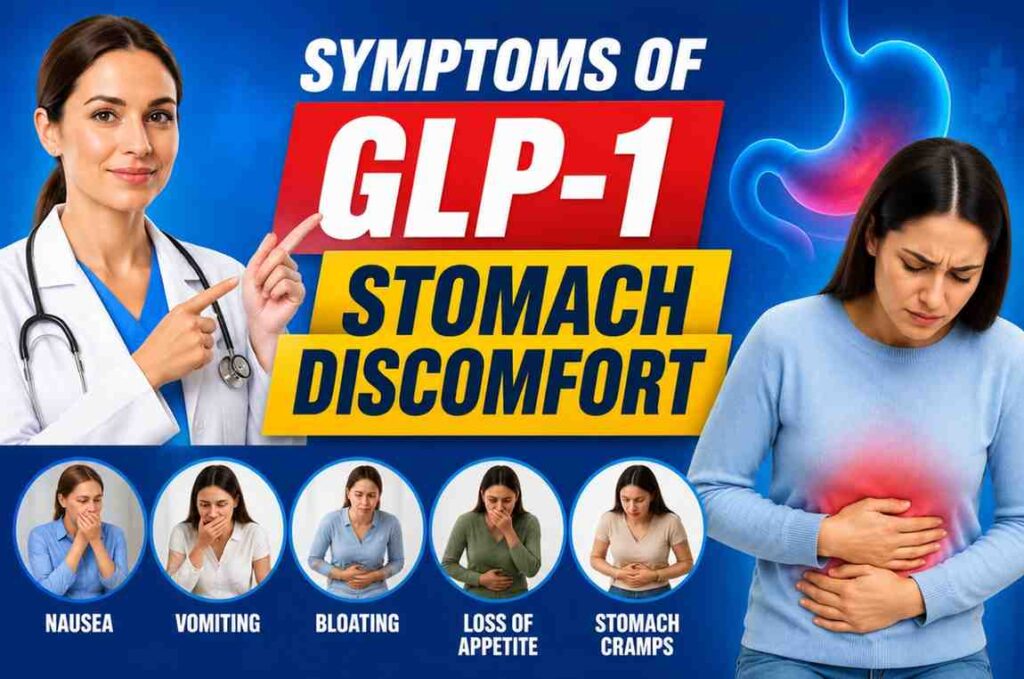
How to Relieve Stomach Pain from GLP-1 | Doctor-Backed Tips
5. Increase Fiber Gradually
Fiber can support digestive health, but adding too much too quickly may increase bloating.
Good fiber sources include:
- Vegetables
- Berries
- Apples
- Oats
- Beans
- Chia seeds
- Flaxseed
A gradual approach is best.
Example:
- Week 1: Add one serving of vegetables daily
- Week 2: Add whole grains or seeds
- Week 3: Continue increasing fiber if tolerated
Always combine fiber intake with enough water.
6. Avoid Eating Too Close to Bedtime
Eating a large meal before lying down may worsen:
- Heartburn
- Reflux
- Fullness
- Stomach discomfort
Try:
- Finishing dinner earlier
- Remaining upright after meals
- Taking a short walk after eating
7. Try Gentle Physical Activity
Light movement can support digestion.
Helpful activities include:
- Walking
- Gentle stretching
- Yoga
- Low-impact exercise
A short walk after meals may help reduce feelings of heaviness.
Avoid intense exercise immediately after eating if you feel uncomfortable.
Foods That May Be Easier on the Stomach During GLP-1 Treatment
When experiencing stomach discomfort, many people tolerate simpler foods better.
Recommended Options
| Food | Why It May Help |
|---|---|
| Bananas | Gentle and easy to digest |
| Rice | Mild carbohydrate source |
| Toast | Simple and light |
| Eggs | Protein source |
| Soup | Hydrating and easier to tolerate |
| Yogurt | Provides protein and probiotics |
Foods That May Make GLP-1 Stomach Pain Worse
Some foods may increase discomfort:
| Limit | Reason |
|---|---|
| Fried foods | Slow digestion further |
| Large meals | Increase stomach pressure |
| Very spicy foods | May worsen irritation |
| Sugary foods | May cause digestive upset |
| Alcohol | Can irritate the stomach |
When Should You Contact a Doctor About GLP-1 Stomach Pain?
While mild digestive symptoms are common, some symptoms require medical attention.
Contact a healthcare provider if you experience:
- Severe abdominal pain
- Persistent vomiting
- Signs of dehydration
- Pain that does not improve
- Severe constipation
- Sudden worsening symptoms
Rare but serious complications can occur, including pancreatitis, gallbladder problems, or severe gastrointestinal issues.
GLP-1 Stomach Pain Relief Guide: Eat Better, Feel Better!

Seek urgent medical care for:
- Severe persistent abdominal pain
- Pain spreading to the back
- Fever
- Yellowing of the skin or eyes
- Inability to keep fluids down
Conclusion: How to Relieve Stomach Pain from GLP-1
GLP-1 medications can provide important benefits for weight management and metabolic health, but digestive discomfort can sometimes make the adjustment period challenging.
The best ways to relieve stomach pain from GLP-1 include:
- Eating smaller meals
- Avoiding heavy and fatty foods
- Drinking enough water
- Increasing fiber slowly
- Eating slowly
- Staying active
- Monitoring symptoms carefully
Most mild GLP-1 digestive symptoms improve as your body adapts, and simple lifestyle adjustments can make the treatment experience more comfortable.
If stomach pain becomes severe, persistent, or concerning, always consult a qualified healthcare professional.
References
GLP-1 Receptor Agonists
https://en.wikipedia.org/wiki/GLP-1_receptor_agonist
GLP-1 Medications and Side Effects
https://www.healthline.com/health/drugs/glp-1-agonists
Uses, Side Effects, and Safety Information
https://www.webmd.com/diabetes/glp-1-receptor-agonists
GLP-1 Receptor Agonists and Gastrointestinal Effects
https://www.ncbi.nlm.nih.gov/books/