
How Does GLP-1 Work? Science Behind Weight Loss & Health

Introduction
GLP-1 has become one of the most discussed topics in modern healthcare, especially in conversations about weight management, metabolic health, and blood sugar control.
Many people searching for solutions related to weight loss or improved wellness often ask, “How does GLP-1 work?”
GLP-1 stands for glucagon-like peptide-1, a naturally occurring hormone produced in the body. This hormone plays an important role in communication between the digestive system, brain, and pancreas.
When GLP-1 levels increase, it helps regulate several processes involved in hunger, digestion, and glucose balance.
Scientists have studied GLP-1 pathways for decades because of their connection to metabolic function.
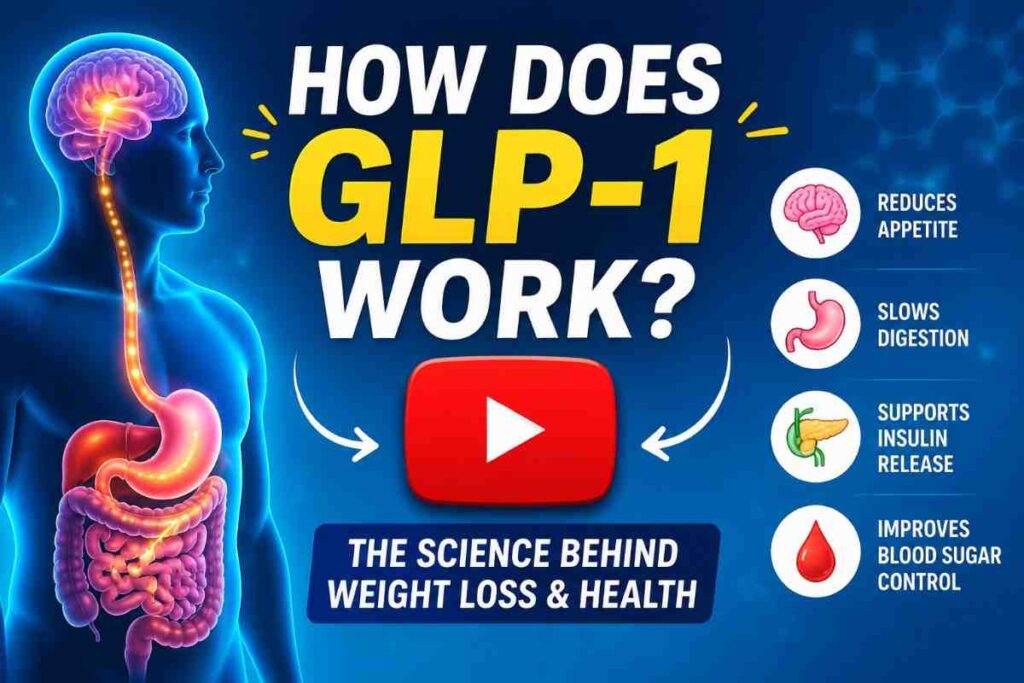

Today, medications designed to activate GLP-1 receptors are used under medical supervision to support certain health goals, including blood sugar management and weight-related care.
Understanding how GLP-1 works can help explain why these treatments have gained attention and how they influence the body’s natural systems.
What Is GLP-1?
GLP-1 is a hormone naturally produced in the body, mainly in the intestine after eating. It belongs to a group of hormones called incretins, which help regulate how the body responds to food intake.
After a person eats, the digestive system releases GLP-1 as part of the body’s normal process of managing nutrients.
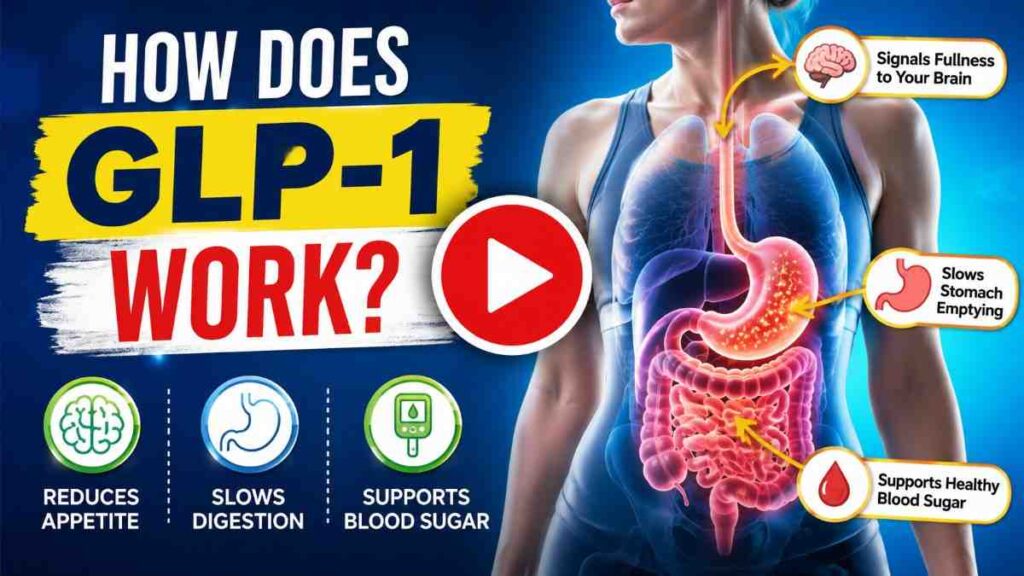
The hormone sends signals to different areas involved in metabolism, including the pancreas, stomach, and brain.
GLP-1 helps the body recognize that food has been consumed and supports several important functions, such as:
- Helping maintain healthy blood sugar levels
- Supporting natural appetite regulation
- Influencing digestion speed
- Sending fullness signals to the brain
The body produces GLP-1 naturally, but its effects are relatively short-lasting because the hormone is quickly broken down. Researchers developed medications that can mimic or enhance GLP-1 activity for longer periods.
These treatments work by activating the same receptors that respond to naturally produced GLP-1.
How Does GLP-1 Work in the Body?
GLP-1 works by interacting with specific receptors throughout the body. These receptors are found in areas involved in blood sugar regulation, digestion, and appetite control.
When GLP-1 activates these receptors, it creates a series of signals that influence how the body processes food and energy.
The main ways GLP-1 works include:
1. Supporting Blood Sugar Regulation
One of the primary roles of GLP-1 is helping the body manage blood glucose levels after eating.
When food is consumed, carbohydrates are broken down into glucose, which enters the bloodstream. The body responds by releasing insulin, a hormone responsible for helping glucose move from the blood into cells.
GLP-1 supports this process by encouraging the pancreas to release insulin when blood sugar levels are elevated.
This response is known as glucose-dependent insulin Function release, meaning the effect is stronger when blood sugar levels are higher and decreases when glucose levels return closer to normal.
This natural mechanism helps the body respond appropriately to meals.
2. Helping Control Appetite and Hunger Signals
A major reason GLP-1 has received significant attention is its influence on appetite.
GLP-1 communicates with areas of the brain involved in hunger and food intake. When GLP-1 activity increases, it can help promote feelings of fullness and satisfaction after eating.
This may influence eating patterns by:
- Reducing frequent hunger signals
- Supporting portion control
- Helping people feel satisfied with less food
The relationship between GLP-1 and appetite is complex because hunger is controlled by many factors, including hormones, emotions, habits, sleep, and environment.
However, GLP-1 plays an important role in the body’s natural system for recognizing when enough food has been consumed.
How Does GLP-1 Affect Digestion?
Another important function of GLP-1 is its effect on digestion.
GLP-1 can slow the movement of food from the stomach into the small intestine. This process is called delayed gastric emptying.
When digestion occurs more gradually, food may remain in the stomach longer, which can contribute to longer-lasting feelings of fullness.
This digestive effect may help explain why some people experience changes in appetite while using GLP-1-based treatments.
However, because digestion speed can vary between individuals, the effects may differ from person to person.
Factors such as:
- Individual metabolism
- Diet choices
- Activity levels
- Overall health
can influence how the body responds.
GLP-1 and the Brain: The Connection Between Hormones and Appetite
The brain plays a central role in regulating hunger, cravings, and eating behavior. GLP-1 contributes to this communication system by sending signals between the digestive system and the brain.
After eating, GLP-1 helps provide information that the body has received nutrients. These signals involve regions of the brain associated with appetite regulation and reward responses.
This connection between the gut and brain is often called the gut-brain axis.
The gut-brain axis involves constant communication between:
- Digestive organs
- Hormones
- Nervous system pathways
- Brain centers responsible for appetite
GLP-1 is one of several hormones involved in this process.
How Do GLP-1 Medications Work?
GLP-1 medications are designed to imitate the effects of naturally produced GLP-1. These treatments are known as GLP-1 receptor agonists because they activate GLP-1 receptors in the body.
Unlike natural GLP-1, which breaks down quickly, these medications are designed to remain active longer.
By activating GLP-1 pathways, these medications may support:
- Appetite regulation
- Blood sugar management
- Metabolic processes
- Healthy weight management when combined with lifestyle changes
The exact effects depend on the specific medication, dosage, individual health factors, and medical guidance.
Healthcare providers typically evaluate a person’s overall health history before recommending any treatment.
Why Are GLP-1 Treatments Used for Weight Management?
Weight management involves many biological factors, including metabolism, appetite hormones, genetics, activity levels, and lifestyle habits.
For some individuals, regulating appetite signals can be an important part of achieving health goals.
GLP-1 treatments may support weight management by influencing several pathways at the same time:
Appetite Support
By affecting hunger signals in the brain, GLP-1 activity may help some individuals manage food intake more effectively.
Improved Meal Satisfaction
Changes in fullness signals may help people feel satisfied after meals.
Metabolic Support
GLP-1 pathways are connected to how the body processes nutrients and manages energy.
It is important to understand that GLP-1 treatments are not a replacement for healthy habits. Nutrition, physical activity, sleep, and long-term lifestyle changes remain important parts of overall wellness.
The Difference Between Natural GLP-1 and GLP-1 Medications
The body naturally produces GLP-1 after food consumption, but natural GLP-1 has a very short activity period because it is quickly broken down by enzymes.
GLP-1 medications are developed to provide longer-lasting effects by activating the same receptors as naturally produced GLP-1.
These medications are designed to remain active for extended periods, allowing them to influence appetite, digestion, and glucose-related processes over time.
While natural GLP-1 is part of the body’s normal digestive response, GLP-1 medications provide a more sustained effect under medical supervision.
The key difference is the duration of activity:
| Natural GLP-1 | GLP-1 Medications |
|---|---|
| Produced naturally after eating | Designed to mimic GLP-1 activity |
| Breaks down quickly | Remains active longer |
| Supports normal digestion and metabolism | Provides longer-lasting receptor activation |
| Part of everyday hormone regulation | Used for specific healthcare purposes |
Both work through similar biological pathways, but medications are developed to enhance and extend these effects.
How Does GLP-1 Help With Blood Sugar Control?
Blood sugar regulation is one of the most researched effects of GLP-1 activity.
After eating, blood glucose levels naturally increase. The body responds through several mechanisms that help maintain balance. GLP-1 contributes to this process by supporting insulin activity when glucose levels rise.
GLP-1 helps by:
- Encouraging insulin release after meals
- Supporting healthy glucose responses
- Influencing hormone signals involved in metabolism
Unlike some approaches that stimulate insulin release regardless of blood sugar levels, GLP-1 activity works in a glucose-dependent way. This means its effects are closely connected to the body’s current glucose needs.
This natural response is one reason researchers have focused heavily on GLP-1 pathways for metabolic health.
How Does GLP-1 Influence Fat Metabolism?
GLP-1 is mainly known for its role in appetite and glucose regulation, but researchers have also studied its relationship with metabolism.
Metabolism refers to how the body converts food into energy and manages stored energy.
GLP-1 may influence metabolic processes by:
- Supporting balanced energy intake
- Affecting hunger-related signals
- Improving the body’s response to nutrients
Weight management is influenced by many systems working together. Hormones, sleep, activity levels, genetics, and eating patterns all contribute to how the body stores and uses energy.
GLP-1 is one piece of this larger metabolic picture.
What Happens After Taking a GLP-1 Medication?
The effects of GLP-1 medications can vary depending on the individual, but many changes occur gradually as the body responds.
Some common experiences reported during treatment include:
Early Stage
During the initial period, the body begins adjusting to increased GLP-1 activity. Some individuals notice changes in appetite, eating patterns, or digestion.
Adjustment Period
As the body adapts, healthcare providers may adjust treatment plans depending on response, tolerance, and individual goals.
Long-Term Support
With continued medical guidance and healthy lifestyle habits, GLP-1 treatments may become part of a broader approach to managing metabolic health.
Results are different for everyone because factors such as starting health status, nutrition habits, physical activity, and consistency can affect outcomes.
Benefits Associated With GLP-1 Activity
Research on GLP-1 has highlighted several areas where this hormone pathway may provide support.
Supports Appetite Regulation
- GLP-1 helps communicate fullness signals between the digestive system and the brain. This may support better awareness of hunger and satisfaction after meals.
Helps Maintain Blood Sugar Balance
- GLP-1 contributes to the body’s natural response to increased glucose after eating by supporting insulin-related processes.
Supports Digestive Regulation
- By influencing digestion speed, GLP-1 may help extend feelings of fullness after meals.
Encourages a Balanced Metabolic Response
- GLP-1 plays a role in multiple systems connected to metabolism and nutrient processing.
Works Alongside Healthy Lifestyle Changes
- GLP-1-based approaches are generally considered most effective when combined with healthy nutrition, regular movement, and sustainable lifestyle habits.
Are GLP-1 Treatments Safe?
GLP-1 treatments have been extensively studied and are prescribed by healthcare professionals for appropriate patients.
Like any medical treatment, GLP-1 medications may cause side effects, and individual experiences can vary.
Commonly reported side effects may include:
- Digestive discomfort
- Nausea
- Changes in bowel habits
- Reduced appetite
Healthcare providers typically review medical history, current medications, and personal health factors before recommending treatment.
Following professional guidance can help reduce potential risks and ensure the treatment approach matches individual needs.
Who May Consider GLP-1 Treatment?
GLP-1 treatment may be considered for adults who meet certain medical criteria and are looking for additional support with metabolic health goals.
A healthcare provider may evaluate factors such as:
✔ Overall health condition
✔ Weight-related concerns
✔ Blood sugar levels
✔ Medical history
✔ Current medications
✔ Personal health goals
GLP-1 treatment is not suitable for everyone. Individuals should discuss their options with a qualified healthcare professional before starting any medication.
Who Should Avoid GLP-1 Treatment?
Certain individuals may need to avoid GLP-1 medications or use additional medical supervision.
A healthcare provider may recommend avoiding treatment for people with specific health conditions, medication interactions, or risk factors.
Professional evaluation helps determine whether GLP-1 treatment is safe and appropriate.
Frequently Asked Questions About How GLP-1 Works
1. What does GLP-1 stand for?
GLP-1 stands for glucagon-like peptide-1, a natural hormone produced in the digestive system that helps regulate appetite, digestion, and blood sugar responses.
2. How does GLP-1 work for weight management?
GLP-1 works by influencing hunger signals, increasing feelings of fullness, and affecting digestion processes that help regulate food intake.
3. Does GLP-1 reduce hunger?
GLP-1 may help reduce hunger signals by communicating with areas of the brain involved in appetite regulation.
4. Does GLP-1 affect digestion?
Yes. GLP-1 can influence digestion by slowing stomach emptying, which may help support longer-lasting fullness.
5. Is GLP-1 naturally produced in the body?
Yes. The body naturally produces GLP-1 after eating as part of the digestive and metabolic response.
6. Are GLP-1 medications the same as natural GLP-1?
They work through similar pathways but are designed to provide longer-lasting effects than naturally produced GLP-1.
7. How does GLP-1 support blood sugar control?
GLP-1 supports the body’s natural response after meals by helping regulate insulin activity when glucose levels increase.
Conclusion
GLP-1 works by acting as an important communication hormone between the digestive system, brain, and metabolic pathways.
It helps regulate appetite, digestion, and blood sugar responses through natural biological processes.
GLP-1-based treatments have gained attention because they target several systems involved in metabolic health at the same time.
By influencing fullness signals, digestive activity, and glucose-related processes, GLP-1 provides a unique approach compared with traditional weight management methods.
However, GLP-1 treatment is not a one-size-fits-all solution. The best results typically come from combining medical guidance with healthy nutrition, physical activity, and sustainable lifestyle changes.
Anyone considering GLP-1 treatment should consult a qualified healthcare provider to understand whether it matches their personal health needs.
References
https://www.healthline.com/health/type-2-diabetes/glp-1-receptor-agonists-treatment
https://pmc.ncbi.nlm.nih.gov/articles/PMC10533252/
https://www.webmd.com/obesity/weight-loss-prescription-weight-loss-medicine
https://en.wikipedia.org/wiki/Glucagon-like_peptide-1