
Okinawa Turmeric for Neuropathy: Benefits, Uses & Truth

Okinawa Turmeric for Neuropathy: Benefits, Uses, Science & What You Should Know
Neuropathy is a condition that affects millions of people worldwide, causing symptoms such as tingling, numbness, burning sensations, weakness, and discomfort, especially in the hands and feet.
Many people look for natural approaches that may support nerve health, and one ingredient that has gained attention is Okinawa turmeric for neuropathy.
Okinawa turmeric is often associated with the traditional wellness practices of Okinawa, Japan, a region known for its unique diet and longevity-focused lifestyle.
Turmeric contains naturally occurring compounds, especially curcuminoids like curcumin, which have been studied for their antioxidant and anti-inflammatory properties.
⚡What Is Okinawa Turmeric for Neuropathy? Benefits & Truth Revealed!


Some research has explored how curcumin may influence nerve-related discomfort and oxidative stress, although more studies are needed to fully understand its role in the management of neuropathy.
Okinawa turmeric may support nerve health with its natural anti-inflammatory properties. Learn how it may help neuropathy symptoms and what research says.
This article explores what Okinawa turmeric is, how it may relate to nerve health, possible benefits, ways people use it, safety considerations, and what current research suggests.
What Is Okinawa Turmeric?
Okinawa turmeric refers to turmeric varieties traditionally grown and used in Okinawa, Japan. Turmeric comes from the root-like rhizome of the Curcuma longa plant and has been used for centuries in traditional wellness practices.
The bright yellow-orange color of turmeric comes mainly from curcuminoids, a group of plant compounds that includes curcumin. These compounds are known for their antioxidant activity and their ability to interact with inflammatory pathways in the body.
Unlike common culinary turmeric powders, some Okinawa turmeric products are marketed as concentrated wellness supplements because they may contain higher amounts of certain plant compounds.
Turmeric is more than just a cooking spice; it contains bioactive compounds that have attracted scientific interest.
Okinawa’s traditional diet includes many plant-based foods, vegetables, and natural ingredients. Turmeric has been part of regional food culture, including traditional drinks and recipes.
Understanding Neuropathy
Before discussing how Okinawa turmeric may help, it is important to understand what neuropathy means.
Neuropathy occurs when nerves outside the brain and spinal cord become damaged or irritated. These nerves help transmit signals between the brain and different parts of the body.
When nerves do not function properly, people may experience:
- Tingling sensations
- Numbness
- Burning feelings
- Sharp or electric-like discomfort
- Sensitivity to touch
- Muscle weakness
- Reduced balance
- Changes in temperature sensation
Peripheral neuropathy is one of the most common forms. It often affects the feet and hands because the longest nerves in the body are usually the first to be affected.
Common causes of neuropathy include:
- Diabetes and blood sugar imbalance
- Certain medications
- Nutritional deficiencies
- Alcohol-related nerve damage
- Physical injuries
- Autoimmune conditions
- Age-related nerve changes
Identifying the underlying cause of neuropathy is essential for proper management.
Why Is Okinawa Turmeric Considered for Neuropathy Support?
Interest in Okinawa turmeric for neuropathy primarily stems from turmeric’s natural compounds, especially curcumin.
Curcumin has been researched for several biological activities, including:
- Antioxidant effects
- Support for healthy inflammatory responses
- Protection against oxidative stress
- Potential nerve-supporting properties
Nerve cells can be affected by oxidative stress and inflammation. Researchers have investigated whether compounds like curcumin may help reduce these processes.
Some clinical studies involving curcumin formulations have reported improvements in certain neuropathy-related measurements, including studies involving diabetic neuropathy and other nerve discomfort conditions. However, researchers continue to study dosage, absorption, and long-term effects.
Curcumin research is promising, but it is not considered a guaranteed cure for neuropathy.
How Curcumin in Okinawa Turmeric May Support Nerve Health
1. Supports a Healthy Inflammatory Response
Inflammation is a natural process that helps the body respond to injury. However, excessive or prolonged inflammation may contribute to discomfort and tissue stress.
Curcumin has been studied for its ability to influence inflammatory pathways.
By helping maintain a balanced inflammatory response, turmeric may support overall comfort and wellness.
Managing inflammation is one important factor in supporting healthy nerves.
2. Provides Antioxidant Support
Oxidative stress occurs when there is an imbalance between free radicals and antioxidants in the body.
Nerve cells can be sensitive to oxidative damage because they require significant energy to function properly.
Turmeric’s curcuminoids act as antioxidants, helping the body combat oxidative stress.
Potential antioxidant support may help maintain:
- Healthy cellular function
- Normal nerve communication
- Overall wellness
Research on nano-curcumin supplementation has explored its effects in people with diabetic sensorimotor polyneuropathy, with some findings suggesting possible improvements in neuropathy severity.
3. May Support Healthy Nerve Communication
Healthy nerves rely on proper communication between cells.
Factors such as inflammation, oxidative stress, and metabolic imbalance can affect nerve signaling.
Curcumin has been investigated for possible neuroprotective properties, meaning it may help protect nerve cells from certain forms of stress.
Some studies suggest curcumin may have potential as a supportive compound for nerve health, but larger human studies are still needed.
🩺What Is Okinawa Turmeric for Neuropathy? The Truth Behind This Remedy!
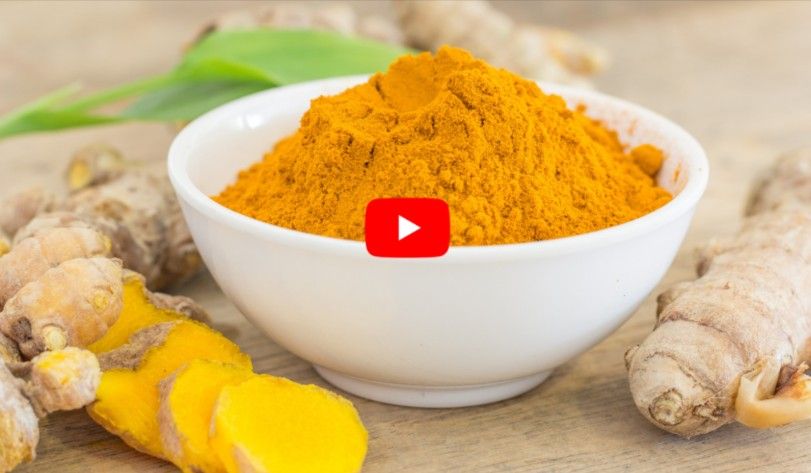
Okinawa Turmeric for Diabetic Neuropathy
Diabetic neuropathy is one of the most common types of peripheral nerve problems. High blood sugar levels over time can damage small blood vessels that supply nerves.
This may lead to:
- Foot numbness
- Burning sensations
- Tingling
- Reduced sensation
Because oxidative stress and inflammation are involved in diabetic nerve complications, researchers have explored whether turmeric compounds may offer supportive benefits.
A randomized clinical trial studied nano-curcumin supplementation in people with type 2 diabetes and diabetic sensorimotor polyneuropathy. The researchers reported reductions in neuropathy severity measurements after supplementation, although additional research is needed.
Healthy blood sugar management remains one of the most important strategies for diabetic nerve health.
Possible Benefits of Okinawa Turmeric for Neuropathy
While turmeric should not be viewed as a replacement treatment, many people use it as part of a wellness routine.
Potential benefits may include:
Supports Antioxidant Defense
The antioxidant compounds in turmeric may help protect cells from oxidative stress.
Helps Maintain Healthy Inflammatory Balance
Curcumin may support balanced inflammatory processes in the body.
Supports Overall Wellness
Turmeric has been traditionally used to support general health, digestion, and vitality.
May Complement Healthy Lifestyle Habits
When combined with:
- Regular movement
- Balanced nutrition
- Proper sleep
- Medical guidance
turmeric may fit into a broader nerve-supporting lifestyle.
How to Use Okinawa Turmeric for Neuropathy Support
Okinawa turmeric can be consumed in different ways depending on the form available. Traditionally, turmeric has been used as a culinary spice, while modern wellness products often provide concentrated turmeric extracts in capsules, powders, or blends.
Common ways people include turmeric in their daily routine include:
1. Turmeric Powder in Food and Drinks
Traditional turmeric powder can be added to meals such as soups, vegetables, rice dishes, and smoothies. Some people also prepare turmeric drinks by combining turmeric with warm liquids and other ingredients.
However, the amount of curcumin found naturally in culinary turmeric is usually much lower compared with concentrated extracts.
2. Turmeric Supplements
Many people choose turmeric supplements because they provide a more measured amount of turmeric compounds. Some supplements contain additional ingredients designed to improve absorption.
Curcumin naturally has low bioavailability, meaning the body may absorb only a small amount when consumed alone. Some formulations combine curcumin with ingredients such as black pepper extract (piperine) or specialized delivery systems to increase absorption.
The quality and formulation of a turmeric supplement can affect how effectively the body uses its active compounds.
3. Consistency Matters
Natural supplements generally work best when combined with consistent healthy habits. Taking turmeric occasionally may not provide the same experience as following a regular wellness routine.
People interested in using Okinawa turmeric for neuropathy should consider discussing their plans with a healthcare professional, especially if they have existing health conditions or take medications.
What Makes Okinawa Turmeric Different?
Many turmeric varieties are available worldwide, but Okinawa turmeric has become popular because of its connection with traditional Japanese wellness practices.
Okinawa has often been studied because of its historically high number of long-lived residents and its traditional dietary patterns. The local diet traditionally includes:
- Vegetables
- Sea plants
- Soy-based foods
- Fish
- Natural herbs and spices
Turmeric has been used culturally in Okinawa for generations, particularly in traditional drinks and foods.
While the lifestyle factors of Okinawan populations involve many influences, turmeric is one ingredient that has gained attention for its plant-based compounds.
A single ingredient does not explain longevity or health outcomes—overall lifestyle choices play a major role.
🌱What Is Okinawa Turmeric for Neuropathy? Complete Wellness Guide!

Can Okinawa Turmeric Reduce Neuropathy Symptoms?
Many people searching for “Okinawa turmeric for neuropathy” want to know whether it can reduce symptoms such as burning, tingling, or numbness.
Current research suggests that compounds in turmeric may support mechanisms related to nerve health, including those involving inflammation and oxidative stress. However, scientific evidence does not confirm turmeric as a standalone treatment or cure for neuropathy.
Possible ways turmeric may support comfort include:
- Supporting a healthy inflammatory response
- Helping maintain antioxidant protection
- Supporting overall cellular health
- Complementing a balanced lifestyle
Results may vary depending on:
- The cause of neuropathy
- Overall health condition
- Diet and lifestyle
- Supplement quality
- Individual response
Neuropathy has many causes, so the right approach depends on the individual situation.
Okinawa Turmeric and Nerve Inflammation
Inflammation plays an important role in the body’s defense system. However, ongoing inflammatory activity may contribute to cellular stress.
Researchers have studied curcumin because it interacts with several molecules involved in inflammatory pathways.
Potential areas of interest include:
- Supporting healthy immune activity
- Maintaining balanced inflammatory signals
- Protecting cells from oxidative damage
For people experiencing neuropathy-related discomfort, supporting overall inflammatory balance may be one part of a comprehensive wellness plan.
Okinawa Turmeric and Antioxidant Protection
The nervous system requires a significant amount of energy to function. Because nerve cells are highly active, they can be affected by oxidative stress.
Antioxidants help neutralize free radicals that may contribute to cellular damage.
Curcumin is recognized as a compound with antioxidant properties. Researchers continue investigating how these properties may influence neurological health.
Potential antioxidant benefits include:
- Supporting healthy cells
- Protecting against oxidative stress
- Maintaining normal body functions
Supporting the body’s natural defenses can contribute to long-term wellness.
Factors That May Improve Neuropathy Management Along With Turmeric
While Okinawa turmeric may be considered a supportive option, lifestyle habits remain extremely important for nerve health.
Maintain Healthy Blood Sugar Levels
For people with diabetes-related neuropathy, controlling blood sugar is one of the most important steps.
Helpful habits include:
- Eating balanced meals
- Monitoring blood glucose when recommended
- Staying physically active
- Following medical guidance
Follow a Nutrient-Rich Diet
Certain nutrients play important roles in nerve function.
Foods that support overall nerve health include:
- Leafy green vegetables
- Nuts and seeds
- Fish rich in omega-3 fatty acids
- Eggs
- Whole grains
- Colorful fruits and vegetables
Important nutrients for nerve function include:
- Vitamin B12
- Vitamin B6
- Magnesium
- Omega-3 fatty acids
Stay Physically Active
Regular movement can support circulation and overall health.
Low-impact activities such as:
- Walking
- Swimming
- Stretching
- Yoga
may help maintain mobility and general wellness.
Prioritize Sleep Quality
Poor sleep may increase sensitivity to discomfort and affect overall health.
Good sleep habits include:
- Maintaining a consistent bedtime
- Reducing screen exposure before sleep
- Creating a comfortable sleep environment
Possible Side Effects and Safety Considerations
Although turmeric is a natural ingredient, natural products can still cause side effects or interact with certain medications.
Some people may experience:
- Stomach discomfort
- Nausea
- Acid reflux
- Loose stools
Higher doses of turmeric supplements may increase the possibility of digestive issues.
People should use caution and seek medical advice before using concentrated turmeric supplements if they:
- Take blood-thinning medications
- Have gallbladder problems
- Have bleeding disorders
- Are you preparing for surgery
- Are pregnant or breastfeeding
Natural does not always mean risk-free—proper use is important.
Final Thoughts on Okinawa Turmeric for Neuropathy
Okinawa turmeric has gained attention as a natural ingredient that may support nerve health through its antioxidant and inflammation-balancing properties. The active compound curcumin continues to be researched for its potential role in supporting overall wellness.
Turmeric may be a helpful addition to a healthy lifestyle, but it should be viewed as supportive—not a replacement for medical care.
People experiencing neuropathy should focus on a complete approach that includes proper diagnosis, healthy nutrition, physical activity, and guidance from qualified healthcare professionals.
When used responsibly, Okinawa turmeric may be one natural option that supports overall wellness and complements other healthy habits.
References
Curcumin as a promising therapeutic agent for diabetic neuropathy
Turmeric – Uses, Side Effects, and More
10 Health Benefits of Turmeric and Curcumin
.
.