
Honey Trick Alzheimer’s: Does This Natural Remedy Work?

Alzheimer’s disease is one of the most challenging health conditions affecting millions of people worldwide. As awareness about cognitive decline grows, many individuals search for natural remedies that may help support memory, brain function, and long-term cognitive health.
One emerging search trend that has gained attention online is the phrase “Honey Trick Alzheimer’s.”
🚨🍯Shocking Truth About the Honey Trick for Alzheimer’s🧠
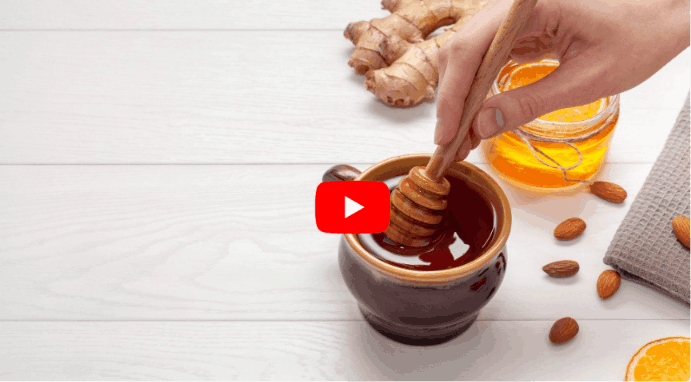

But what exactly does the “Honey Trick Alzheimer’s” phenomenon mean? Can honey actually help support brain health? Is there any scientific evidence behind the claims circulating on social media and health websites?
Honey is rich in natural antioxidants and beneficial plant compounds that support overall brain wellness and fit well into a healthy, balanced lifestyle.
In this comprehensive guide, we’ll explore the relationship between honey and Alzheimer’s disease, examine the available scientific evidence, discuss the potential brain-supporting compounds in honey, and separate fact from myth.
Understanding Alzheimer’s Disease
Alzheimer’s disease is a progressive neurological disorder that affects memory, thinking skills, behavior, and the ability to perform daily tasks.
It is the most common form of dementia and primarily affects older adults, although early-onset Alzheimer’s can occur in younger individuals.
The disease develops gradually over many years and is characterized by several changes within the brain, including:
- Accumulation of beta-amyloid plaques
- Formation of tau protein tangles
- Chronic inflammation
- Oxidative stress
- Loss of communication between brain cells
- Progressive neuronal death
Symptoms often begin with mild memory problems and can progress to severe cognitive impairment, personality changes, confusion, and loss of independence.
Although researchers have made significant advances in understanding Alzheimer’s disease, there is currently no known cure. However, lifestyle factors, diet, and certain medical treatments may help support brain health and potentially slow cognitive decline.
What Is the “Honey Trick Alzheimer’s” Trend?
The term “Honey Trick Alzheimer’s” has gained popularity through online discussions, social media posts, health blogs, and natural wellness communities.
The phrase generally refers to the belief that consuming specific types of honey or honey-based remedies may help improve memory, protect the brain, or reduce the risk of Alzheimer’s disease.
Common claims associated with the honey trick include:
- Honey boosts memory naturally.
- Honey reduces brain inflammation.
- Honey protects neurons from damage.
- Honey improves cognitive performance.
- Certain medicinal honeys may support healthy aging.
While these claims are appealing, it is important to evaluate them through the lens of scientific evidence rather than relying solely on anecdotal reports.
Why Has Honey Become Associated With Brain Health?
Honey has been used for thousands of years in traditional medicine systems across numerous cultures. Ancient civilizations valued honey not only as a food source but also as a therapeutic substance.
Modern scientific research has revealed that honey contains several biologically active compounds, including:
- Flavonoids
- Polyphenols
- Phenolic acids
- Natural antioxidants
- Vitamins and minerals
- Amino acids
- Enzymes
These compounds have attracted attention because oxidative stress and inflammation are believed to play important roles in Alzheimer’s disease progression.
Researchers have therefore investigated whether honey’s antioxidant and anti-inflammatory properties might provide benefits for brain health.
The Role of Oxidative Stress in Alzheimer’s Disease
To understand why honey is being studied, it’s important to understand oxidative stress.
Oxidative stress occurs when harmful molecules called free radicals accumulate faster than the body’s antioxidant defenses can neutralize them. Excessive oxidative stress may contribute to:
- Cellular damage
- Brain inflammation
- Protein misfolding
- Accelerated aging
- Neurodegeneration
Numerous studies suggest that oxidative stress is closely associated with Alzheimer’s disease development and progression.
Because honey contains natural antioxidants, researchers have explored whether it might help reduce oxidative damage in the brain.
What Does Science Say About Honey and Brain Function?
Scientific research investigating honey and cognitive health remains limited but intriguing.
Several laboratory and animal studies have suggested that honey may possess neuroprotective properties. Researchers have observed that certain compounds found in honey may:
- Reduce oxidative stress markers
- Lower inflammatory responses
- Support neuronal survival
- Improve learning and memory performance in animal models
- Enhance antioxidant enzyme activity
However, it’s crucial to understand that animal studies do not necessarily translate directly to humans.
Animal Research Findings
Some experimental studies involving rodents have demonstrated improvements in:
- Spatial memory
- Learning ability
- Brain antioxidant levels
- Reduction of inflammation markers
These findings have encouraged further investigation into honey’s potential role in supporting cognitive health.
Human Research Findings
Human studies remain relatively limited. Some small studies have suggested potential benefits of honey consumption on:
- Memory performance
- Mood regulation
- Cognitive processing
- Overall brain function
However, researchers emphasize that current evidence is insufficient to conclude that honey can prevent or treat Alzheimer’s disease.
More large-scale clinical trials are needed before definitive recommendations can be made.
Which Components of Honey May Benefit the Brain?
Not all honey is identical. Different varieties contain varying concentrations of beneficial compounds.
1. Flavonoids
Flavonoids are plant compounds known for their antioxidant properties. Certain flavonoids found in honey have been associated with:
- Reduced inflammation
- Improved blood flow
- Enhanced cognitive function
- Protection against oxidative damage
2. Phenolic Acids
Phenolic acids may help protect neurons from stress-related injury and contribute to the overall antioxidant capacity of honey.
3. Chrysin
Chrysin is a natural flavonoid found in some varieties of honey. Researchers have investigated its potential neuroprotective effects, given its antioxidant and anti-inflammatory properties.
4. Quercetin
Quercetin has been studied extensively for its possible role in supporting healthy brain aging and reducing oxidative stress.
5. Gallic Acid
Gallic acid exhibits antioxidant activity and has attracted attention for its potential role in neuroprotection.
🧠🍯 Can Honey Boost Memory? Alzheimer’s “Trick” Tested!

Can Honey Prevent Alzheimer’s Disease?
At present, there is no scientific evidence proving that honey can prevent Alzheimer’s disease.
Alzheimer’s disease is influenced by numerous factors, including:
- Age
- Genetics
- Cardiovascular health
- Lifestyle habits
- Diet
- Physical activity
- Sleep quality
- Environmental exposures
Although consuming antioxidant-rich foods may contribute to overall brain health, no single food or supplement has been proven to prevent Alzheimer’s disease entirely.
Honey should therefore be viewed as one potential component of a healthy dietary pattern rather than a standalone preventive treatment.
Can Honey Reverse Memory Loss?
One of the most common claims surrounding the “Honey Trick Alzheimer’s” concept is that honey can reverse memory loss.
Current scientific evidence does not support this claim.
Memory loss associated with Alzheimer’s disease results from complex structural and biochemical changes within the brain.
While nutritional strategies may support cognitive function and healthy aging, there is currently no evidence demonstrating that honey can reverse established Alzheimer’s disease or restore damaged brain tissue.
Individuals experiencing memory problems should seek evaluation from a qualified healthcare professional rather than relying on unproven remedies.
Types of Honey Commonly Associated With Brain Health
Several varieties of honey have gained attention due to their higher concentrations of bioactive compounds.
Raw Honey
Raw honey undergoes minimal processing and retains many naturally occurring antioxidants and enzymes.
Potential benefits include:
- Higher antioxidant content
- Natural anti-inflammatory compounds
- Preservation of beneficial enzymes
Manuka Honey
Manuka honey, produced primarily in New Zealand, has been extensively studied for its antibacterial and antioxidant properties.
Researchers continue investigating whether its unique compounds may provide broader health benefits.
Tualang Honey
Tualang honey has attracted scientific interest due to studies suggesting possible cognitive and neuroprotective effects in animal models.
Forest Honey
Certain forest honeys contain elevated levels of polyphenols and antioxidants that may support overall health.
Honey and Brain Inflammation
Chronic inflammation is believed to contribute significantly to Alzheimer’s disease progression.
Some laboratory studies suggest that compounds found in honey may:
- Reduce inflammatory cytokines
- Lower oxidative stress
- Support immune regulation
- Protect neurons from inflammatory damage
However, human evidence remains limited, and researchers caution against overstating these findings.
Is There a Best Way to Consume Honey for Brain Health?
Although there is no clinically proven “honey trick” for Alzheimer’s prevention, individuals who consume honey as part of a balanced diet often incorporate it in various ways.
Examples include:
Morning Honey and Warm Water
Some individuals consume a teaspoon of honey mixed with warm water as part of a wellness routine.
Honey With Herbal Tea
Combining honey with antioxidant-rich teas may contribute to an overall healthy dietary pattern.
Honey With Nuts
Pairing honey with walnuts, almonds, or other nuts may provide additional nutrients associated with brain health.
Honey in Mediterranean-Style Diets
Mediterranean dietary patterns emphasize:
- Fruits
- Vegetables
- Whole grains
- Olive oil
- Fish
- Nuts
- Moderate natural sweeteners
These dietary approaches have been associated with improved cognitive outcomes.
Risks of Overconsuming Honey
While honey may offer nutritional benefits, excessive consumption carries potential risks.
These include:
- Increased calorie intake
- Elevated blood sugar levels
- Weight gain
- Dental problems
- Potential issues for individuals with diabetes
Moderation remains essential.
The American Heart Association recommends limiting added sugar intake, and honey should still be considered a form of sugar despite its natural origin.
Evidence-Based Strategies for Supporting Brain Health
Instead of relying solely on the “Honey Trick Alzheimer’s” concept, experts recommend a comprehensive approach to cognitive wellness.
✔️ Regular Physical Exercise
Exercise has consistently demonstrated benefits for:
- Memory
- Blood flow to the brain
- Neuroplasticity
- Cognitive performance
✔️Mediterranean Diet
Research strongly supports Mediterranean-style eating patterns for brain health.
✔️Quality Sleep
Poor sleep has been associated with increased Alzheimer’s risk and impaired memory function.
✔️Social Engagement
Maintaining social connections may support cognitive resilience and emotional health.
✔️Mental Stimulation
Activities that challenge the brain may help maintain cognitive function.
Examples include:
- Reading
- Learning new skills
- Puzzles
- Music
- Educational activities
✔️Managing Cardiovascular Risk Factors
Controlling conditions such as:
- High blood pressure
- Diabetes
- Obesity
- High cholesterol
May contribute to healthier brain aging.
🧠✨ The Honey Trick for Alzheimer’s – Does It Actually Work?

Common Myths About Honey and Alzheimer’s
Myth 1: Honey Cures Alzheimer’s Disease
There is no evidence that honey cures Alzheimer’s disease.
Myth 2: One Spoonful of Honey Daily Prevents Dementia
No scientific study has demonstrated that a specific amount of honey prevents dementia.
Myth 3: All Honey Has the Same Benefits
Different types of honey vary substantially in composition and antioxidant content.
Myth 4: Natural Remedies Are Always Safe
Natural products can still have side effects, interactions, and limitations.
What Researchers Are Currently Studying
Scientists continue investigating several areas related to honey and brain health, including:
- Antioxidant mechanisms
- Neuroprotection
- Anti-inflammatory effects
- Gut-brain interactions
- Cognitive aging
- Dietary patterns associated with reduced dementia risk
Future research may help clarify whether specific compounds found in honey have therapeutic potential.
Should People With Alzheimer’s Consume Honey?
For most individuals, moderate honey consumption as part of a balanced diet is generally considered safe.
However, honey should not replace:
- Prescribed medications
- Medical treatments
- Professional healthcare advice
- Evidence-based interventions
Individuals with Alzheimer’s disease, diabetes, or other medical conditions should consult healthcare professionals regarding dietary changes.
Final Verdict: Is the “Honey Trick Alzheimer’s” Claim Real?
The “Honey Trick Alzheimer’s” trend is based on the idea that honey’s antioxidant and anti-inflammatory compounds may support brain health.
While preliminary research suggests that honey contains biologically active compounds with potential neuroprotective properties, there is currently no scientific evidence proving that honey can prevent, cure, or reverse Alzheimer’s disease.
That said, moderate consumption of high-quality honey as part of an overall healthy lifestyle may contribute to general wellness and nutritional support.
The strongest scientific evidence for protecting brain health continues to emphasize a combination of healthy diet, physical activity, quality sleep, social engagement, and proper medical care.
As research continues, scientists may uncover additional insights into the relationship between natural compounds found in honey and cognitive health.
Until then, the “Honey Trick Alzheimer’s” concept should be viewed as an interesting area of ongoing research rather than a proven treatment strategy.
References
Honey: Benefits, Uses, and Risks: https://www.healthline.com/nutrition/benefits-of-honey
Alzheimer’s Disease: Symptoms, Causes, and Treatment: https://www.healthline.com/health/alzheimers-disease?
Alzheimer’s Disease: https://en.wikipedia.org/wiki/Alzheimer%27s_disease
Foods That Support Brain Health: https://www.healthline.com/nutrition/11-brain-foods?