How To Make Horse Gelatin: Easy Step-by-Step Guide
Gelatin is one of the most versatile and widely used ingredients in the culinary and health industries. While most people are familiar with bovine (cow) or porcine (pig) gelatin, horse gelatin offers unique properties that make it valuable in specialized applications.
In this guide, we’ll explore everything you need to know about horse gelatin—from its history to its preparation, applications, and tips for safe use.
” Homemade Horse Gelatin | Step-by-Step Easy Guide “
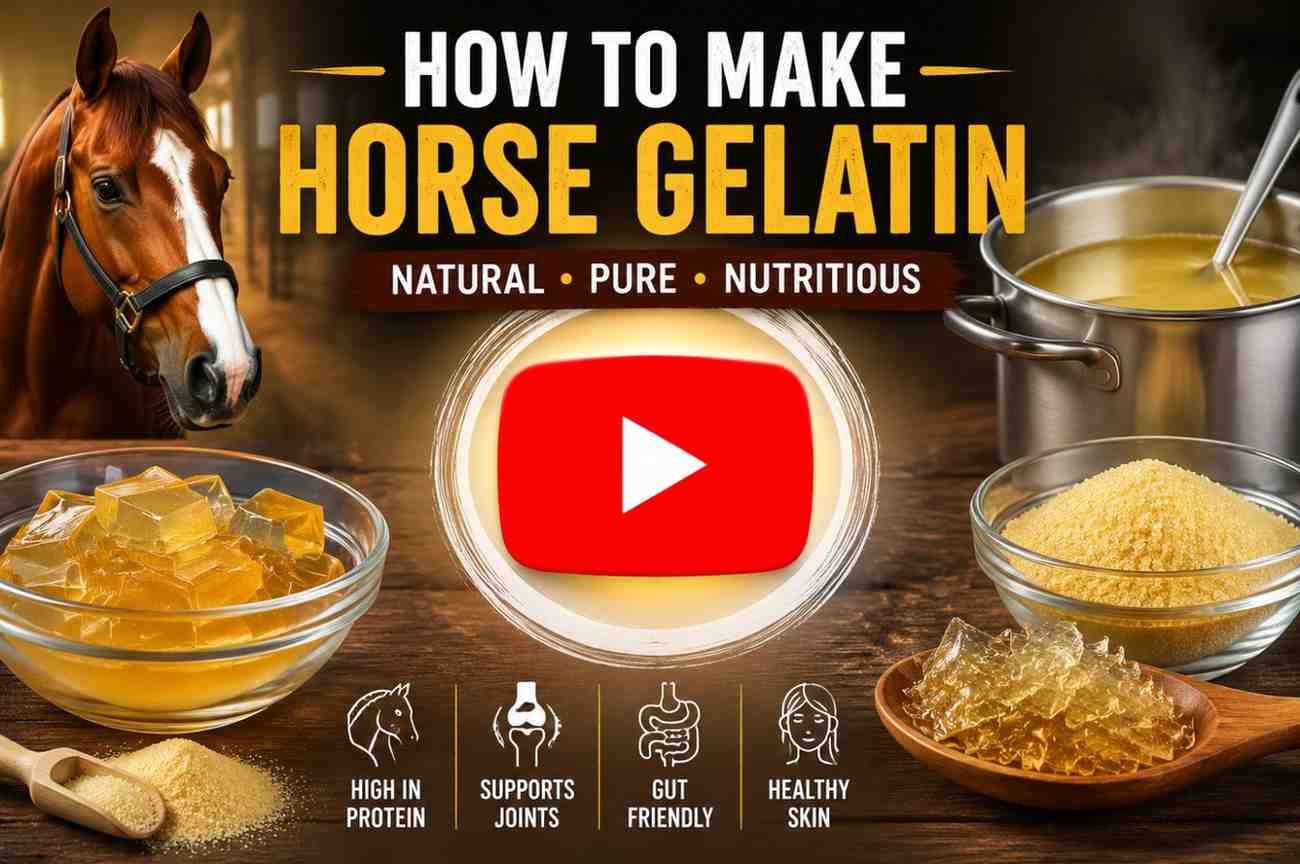

Whether you’re a culinary enthusiast, a health-conscious individual, or someone curious about alternative gelatin sources, this article has you covered.
Horse gelatin is prepared by dissolving unflavored gelatin powder in warm liquid, optionally flavored with honey, lemon, or juice, to create a smooth, collagen-rich drink or firm gelatin cubes.
What is Horse Gelatin?
Horse gelatin is a natural protein derived from the collagen found in horse connective tissues, bones, and hides.
Like other forms of gelatin, it’s primarily composed of proteins, including glycine and proline, which are essential for maintaining healthy skin, hair, nails, and joint function.
Its ability to form a firm yet flexible gel makes it ideal for a variety of culinary and medicinal applications.
Unlike bovine or porcine gelatin, horse gelatin is often sought after for its perceived purity, specific amino acid profile, and reduced risk of certain contaminants.
Enthusiasts and researchers often point out that horse gelatin can produce a slightly different texture in gels and desserts, providing a smoother, more elastic consistency.
History and Uses of Horse Gelatin
Historically, gelatin has been used for centuries in Europe and Asia, primarily as a food stabilizer and in traditional medicine.
Horse gelatin, though less common than bovine gelatin, has been utilized in certain regions where horses were more abundant and as a substitute in specialty recipes.
- Culinary Uses: Horse gelatin is ideal for making gummies, marshmallows, jelly desserts, aspics, and even some confectionery. Its texture is slightly different from regular gelatin, providing a more elastic consistency.
- Health and Wellness: Some traditional medicine practices use horse gelatin in soups or broths for joint support and skin health. The protein content supports collagen production and may aid in recovery and connective tissue strength.
- Industrial Uses: Beyond culinary applications, gelatin—including horse gelatin—is sometimes used in pharmaceutical capsules, capsules for supplements, and photographic film production due to its binding properties.
👉 DON’T TRY THIS “HORSE GELATIN” UNTIL YOU SEE THIS
Benefits of Horse Gelatin
Horse gelatin offers many benefits, both in terms of nutrition and practical applications:
- Supports Joint Health: Rich in collagen proteins, it can help maintain joint flexibility and reduce stiffness.
- Improves Skin Elasticity: Collagen and amino acids may contribute to healthier, firmer skin.
- Supports Gut Health: Gelatin can aid digestion and support the gut lining by binding to water and promoting healthy gut flora.
- Protein Source: Provides essential amino acids that support muscle repair and general wellness.
- Enhanced Culinary Texture: Produces smooth, elastic gels that hold shapes well, making it preferred in certain gourmet recipes.
- Natural and Unprocessed: Often less chemically processed than commercial gelatin alternatives.
- Versatile in Applications: Suitable for desserts, beverages, and dietary supplements.
Ingredients and Equipment Needed
Before making horse gelatin, it’s important to gather the necessary ingredients and equipment. Safety and hygiene are key.
Ingredients:
- Horse bones, hooves, and connective tissues
- Clean water
- Optional: vinegar (helps extract minerals from bones)
- Optional: flavorings (like herbs, fruits, or spices)
Equipment:
- Large stockpot or slow cooker
- Strainer or cheesecloth
- Knife and cutting board
- Glass jars or containers for storage
- Stove or heat source
- Spoon for stirring
“DIY Horse Gelatin | Quick & Easy Gelatin Recipe”

Step-by-Step Process: How to Make Horse Gelatin
Making horse gelatin requires time and care to extract the collagen efficiently. Follow these steps for best results:
Step 1: Preparing the Bones and Tissues
- Clean Thoroughly: Rinse the bones and connective tissues under cold water to remove any residual blood or debris.
- Chop or Crush: Cut the bones into smaller pieces to maximize the surface area for collagen extraction.
- Optional Soak: Some recipes recommend soaking bones in a small amount of vinegar for 30–60 minutes to help break down minerals and collagen.
Step 2: Simmering
- Place the bones in a large stockpot.
- Add cold water until the bones are fully submerged.
- Bring to a slow boil, then reduce to a simmer.
- Cover and simmer for 12–24 hours. Longer simmering extracts more collagen, resulting in stronger gelatin.
Step 3: Straining
- After simmering, carefully strain the liquid using a fine mesh strainer or cheesecloth.
- Discard the bones and any solid residues. You now have a concentrated gelatin-rich broth.
Step 4: Cooling and Setting
- Allow the liquid to cool at room temperature for 30–60 minutes.
- Transfer to the refrigerator and let it sit for 6–12 hours.
- The gelatin should form a firm, wobbly gel.
Step 5: Storage
- Store in airtight containers in the refrigerator for up to 1–2 weeks.
- For long-term storage, consider freezing in portions.
Tips for High-Quality Horse Gelatin
- Use Fresh Bones: Fresher bones yield better gelatin and fewer off-flavors.
- Low and Slow Simmer: Rapid boiling can break down proteins unevenly and create cloudy broth.
- Acidity Helps: A small amount of vinegar can help extract minerals and improve texture.
- Remove Fat: Skim the fat during simmering for a clearer gelatin.
- Add Flavor Gradually: If using herbs or fruits, add them during the last few hours to preserve flavor.
👉 DON’T TRY THIS “HORSE GELATIN” UNTIL YOU SEE THIS
Culinary Applications
Horse gelatin can be used in many culinary creations:
- Gummies and Candies: Its elasticity creates chewable, smooth gummies.
- Jelly Desserts: Ideal for layered gelatin desserts or fruit jellies.
- Marshmallows provide a unique chew and texture.
- Aspics and terrines keep shapes intact for savory gelatin dishes.
- Protein Supplements: Can be dried and powdered for homemade protein mixes.
Health Applications
- Joint and Bone Support: Regular consumption may help support joint function and bone health.
- Skin Care: Collagen-rich gelatin may improve skin elasticity and hydration.
- Digestive Support: Helps maintain a healthy gut lining and digestive efficiency.
- Recovery Foods: Athletes or those recovering from injuries may use gelatin-based foods to supplement collagen.
Safety Considerations
While horse gelatin can be safe, there are some considerations:
- Source Matters: Only use bones and tissues from healthy, disease-free horses.
- Allergies: Though rare, some individuals may react to horse proteins.
- Processing Hygiene: Ensure all equipment and surfaces are thoroughly cleaned to prevent contamination.
- Moderation: Excessive consumption can lead to digestive discomfort.
- Regulations: Be aware of local laws regarding the consumption and sale of horse-derived products.
“Easy Horse Gelatin Recipe | Make Your Own Gelatin at Home.”

Comparing Horse Gelatin to Other Gelatins
| Feature | Horse Gelatin | Bovine Gelatin | Porcine Gelatin |
|---|---|---|---|
| Source | Horse bones/tissues | Cow bones/tissues | Pig skin/tissues |
| Collagen Content | High | Moderate-High | Moderate |
| Gel Texture | Elastic, smooth | Firm | Soft |
| Culinary Use | Specialized desserts | Wide, general use | Wide, general use |
| Cultural Acceptability | Limited | Widely accepted | Widely accepted |
Horse gelatin’s unique texture and amino acid profile make it desirable for certain gourmet recipes and specialized dietary uses.
Tips for Using Horse Gelatin in Recipes
- Blooming: Always bloom gelatin in cold water before adding to hot liquids to prevent clumping.
- Avoid Boiling: Boiling gelatin breaks down its gelling properties.
- Flavor Pairing: Mild flavors complement horse gelatin well; strong spices can overpower it.
- Layering Gelatin: For layered desserts, allow each layer to partially set before adding the next.
- Storage: Keep gelatin-based dishes refrigerated to maintain structure.
👉 DON’T TRY THIS “HORSE GELATIN” UNTIL YOU SEE THIS
Making Powdered Horse Gelatin
For convenience, you can also make powdered horse gelatin:
- Dehydrate: Spread firm gelatin on a baking sheet and dry in a low oven or dehydrator.
- Grind: Once completely dry, grind into a fine powder using a food processor or grinder.
- Store: Keep in an airtight container away from moisture. This powdered gelatin can be used just like commercial gelatin.
Conclusion
Making horse gelatin at home is both an art and a science. While it requires patience, the result is a nutrient-rich, versatile gelatin with applications in culinary arts, health, and wellness.
By following the steps outlined in this guide, you can create high-quality gelatin that supports joint health, skin elasticity, and digestive well-being. Always prioritize safety, hygiene, and sourcing from trusted suppliers.
Whether you are experimenting with gourmet desserts, nutritional supplements, or traditional recipes, horse gelatin can add a unique and valuable element to your kitchen.
Explore its uses, experiment with flavors, and enjoy the benefits of this traditional protein-rich ingredient.
Reference
- Collagen and Gelatin Benefits: https://www.healthline.com/nutrition/collagen
- Gelatin Overview: https://www.webmd.com/diet/what-is-gelatin
- Collagen Supplements & Uses: https://www.mayoclinic.org/healthy-lifestyle/nutrition-and-healthy-eating/expert-answers/collagen-supplements/faq-20484764
- Collagen Research Studies: https://www.ncbi.nlm.nih.gov/pmc/articles/PMC6566799/