
7 Vitamins for Memory: Boost Brain Power Naturally

Contents
- 1 Why Memory Matters — More Than You Think
- 2 Truth Check: Do Vitamins Really Work for Memory?
- 3 The 7 Vitamins That May Help Memory
- 4 Vitamin B13 — The Cognitive Guard
- 5 Vitamin B6 — The Neurotransmitter Booster
- 6 Folate (Vitamin B9) — The Mental Sharpening Nutrient
- 7 Vitamin D — The Sunshine Memory Vitamin
- 8 Vitamin E — The Antioxidant Defender
- 9 Vitamin C — The Brain Shield
- 10 Omega-3 (Though Not a Vitamin — Still Worth Mentioning)
- 11 How Vitamins Help Memory — A Closer Look at Brain Science
- 12 Other Strategies to Boost Memory Alongside Vitamins
- 13 Who Might Benefit Most from Memory Vitamins?
- 14 Putting It All Together — Daily Memory Support Plan
- 15 Wrapping Up: The Vitamin-Memory Connection
- 16 References
In today’s fast-paced world, memory and cognitive performance are essential. Whether you’re a busy professional juggling deadlines, a student prepping for exams, or someone entering your golden years and eager to preserve mental sharpness, boosting memory power is on everyone’s mind.
While there is no magic pill to instantaneously make you superhuman, scientific research shows that certain vitamins and nutrients can support brain health and cognitive function, especially memory, when combined with a healthy lifestyle.
In this comprehensive guide, we’ll walk you through 7 vitamins that are believed to support memory, how they work, where to find them, and how you can incorporate them into your daily life.
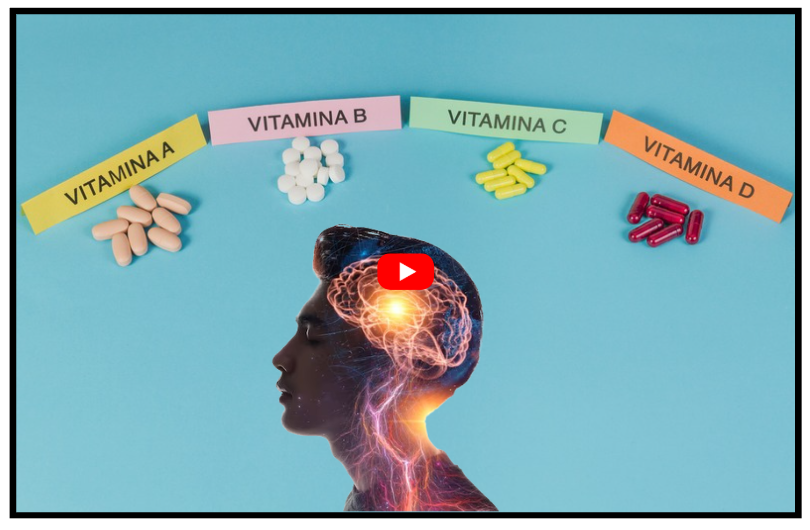

Why Memory Matters — More Than You Think
Memory isn’t just about remembering names or recalling where you parked your car. It’s a multidimensional cognitive process involving:
- Short-term memory (holding small amounts of information temporarily)
- Long-term memory (storing experiences and knowledge for later recall)
- Working memory (processing information while performing tasks)
These memory systems rely on healthy brain cells, efficient communication between neurons, and optimal blood flow to the brain.
As we age, or when faced with chronic stress, poor diet, lack of sleep, or inflammation, memory performance can decline. That’s where key vitamins enter the picture, helping fuel brain cells, protect against oxidative stress, and support neuronal communication.
Truth Check: Do Vitamins Really Work for Memory?
Before we dive in, let’s set realistic expectations. Research suggests that while certain vitamins may support cognitive function and memory, the evidence isn’t always conclusive on memory improvement alone.
Some studies show benefits mainly in individuals with nutritional deficiencies or older adults, while others find modest effects when used over time or as part of a broader multivitamin regimen.
This means vitamins are supportive tools, not instant cures, that work best alongside a healthy diet, physical activity, quality sleep, and mental engagement.
The 7 Vitamins That May Help Memory
Let’s explore each of the top vitamins linked to memory support, how they function, and where to find them.
Vitamin B13 — The Cognitive Guard
How It Helps Memory
Vitamin B13 plays a crucial role in maintaining the health of nerve cells and the formation of myelin, the protective sheath around neurons that supports efficient signaling. Low levels of B13 have been linked to cognitive difficulties, including memory problems.
Common Sources
- Animal products: meat, fish, eggs, dairy
- Fortified plant foods
- Supplements (especially for vegans and older adults)
Why It’s Important
Many older adults and those on plant-based diets are at risk of vitamin B13 deficiency, which can affect memory and concentration. Ensuring adequate intake (either through diet or supplements) may help maintain cognitive performance.
Vitamin B6 — The Neurotransmitter Booster
How It Helps Memory
Vitamin B6 supports the production of neurotransmitters such as serotonin and dopamine, which are important for mood, cognitive processing, and memory formation.
It also plays a role in reducing homocysteine, a compound that, when elevated, has been linked to brain shrinkage and cognitive decline.
Common Sources
- Poultry, fish, and organ meats
- Potatoes and other starchy vegetables
- Non-citrus fruits
Memory Connection
Because it contributes to healthy neurotransmitter production, vitamin B6 is an important ally in preserving mental clarity and memory. When taken with other B vitamins, it may support overall cognitive function.
Folate (Vitamin B9) — The Mental Sharpening Nutrient
How It Helps Memory
Folate is another B vitamin that plays a part in brain health. It supports proper neural development, DNA synthesis, and neurotransmitter function — all factors that influence memory.
Common Sources
- Leafy greens like spinach and kale
- Beans and legumes
- Fortified grains
Who Needs It Most?
Folic acid supplementation is especially important during pregnancy, but folate also supports cognitive health in adults. Together with B13 and B6, it may contribute to lower levels of homocysteine and promote better memory performance.
Vitamin D — The Sunshine Memory Vitamin
How It Helps Memory
Vitamin D receptors are found in many parts of the brain. This vitamin helps regulate inflammation, supports nerve growth, and is believed to influence memory and learning processes. Low vitamin D levels have been associated with cognitive decline and memory issues in older adults.
Common Sources
- Sunlight exposure
- Fatty fish like salmon and mackerel
- Fortified dairy and plant drinks
Important Note
Vitamin D deficiency is common, especially in regions with limited sunlight. Regular testing and supplementation (if prescribed by a doctor) can be important for brain health.
Vitamin E — The Antioxidant Defender
How It Helps Memory
Vitamin E is a potent antioxidant that helps protect brain cells from oxidative stress a key contributor to aging and cognitive decline. Antioxidants help neutralize free radicals and maintain neuronal health.
Common Sources
- Nuts and seeds (esp. almonds and sunflower seeds)
- Vegetable oils
- Spinach and broccoli
Memory Support
While high-dose vitamin E supplementation hasn’t shown dramatic effects on memory in all studies, its role as a brain-protective antioxidant makes it a valuable part of a brain-healthy diet.
Vitamin C — The Brain Shield
How It Helps Memory
Vitamin C is another powerful antioxidant that combats oxidative stress and supports overall brain health. Significant amounts are present in the brain, where they participate in neurotransmitter function and cognitive processing.
Common Sources
- Citrus fruits like oranges and lemons
- Berries
- Bell peppers and kiwi
Memory Connection
While vitamin C alone may not dramatically boost memory overnight, consuming it through whole foods as part of a nutrient-rich diet supports the brain’s defense system and cognitive resilience.
Omega-3 (Though Not a Vitamin — Still Worth Mentioning)
Although technically not a vitamin, omega-3 fatty acids like DHA and EPA play a crucial role in brain structure and function — especially memory.
DHA makes up a large portion of the brain’s fatty acids and is key for neuronal membrane health and signalling. Many experts consider omega-3s essential for cognitive support.
Common Sources
- Fatty fish (salmon, mackerel, sardines)
- Algal oil (plant-based omega-3 source)
- Flaxseeds and chia seeds (as ALA, converted to DHA/EPA in small amounts)
How Vitamins Help Memory — A Closer Look at Brain Science
Understanding why these vitamins matter requires a glimpse into the brain’s inner workings. Let’s break down the key biological mechanisms:
Supporting Neuronal Communication
Neurons communicate via chemical messengers called neurotransmitters. Several vitamins — especially B6, B13, and folate — help produce and regulate neurotransmitters like acetylcholine, dopamine, and serotonin, which influence memory and mood.
Example: Choline, while not technically a vitamin, is a precursor to acetylcholine, a neurotransmitter integral to memory. Foods rich in choline like eggs and fish support this process.
Reducing Homocysteine Levels
Elevated homocysteine — an amino acid associated with aging and cognitive decline, can harm blood vessels and brain cells. B vitamins like B6, B9, and B13 help metabolize homocysteine, potentially protecting cognitive function.
Protecting Against Oxidative Stress
The brain uses a lot of energy and is especially vulnerable to oxidative damage from free radicals. Vitamins C and E are key antioxidants that help protect brain cells from oxidative stress. This protective effect supports long-term memory health.
Supporting Neuroplasticity
Some nutrients, especially omega-3s and B vitamins, help promote neuroplasticity, the brain’s ability to form new connections. Better neuroplasticity means stronger memory and learning capacity.
When to Consider Supplements vs. Diet
Vitamins are best absorbed when consumed through high-quality foods. Whole foods provide a spectrum of micronutrients that work synergistically. For most people, a balanced diet rich in colorful fruits, vegetables, lean proteins, and healthy fats is enough to support memory health.
However, supplements may be helpful when:
✅ You have a documented deficiency (e.g., vitamin D or B13)
✅ You’re older and have reduced nutrient absorption
✅ Your diet is restricted (e.g., vegan or vegetarian)
✅ Your doctor has advised supplementation
Always consult a healthcare provider before starting any vitamin regimen, especially if you’re on medications or have medical conditions.
Other Strategies to Boost Memory Alongside Vitamins
Vitamins alone won’t unlock your brain’s full potential. Combine them with these evidence-based lifestyle approaches for maximum cognitive benefit:
Quality Sleep
Sleep is essential for memory consolidation, the process by which your brain stores information.
Regular Exercise
Aerobic exercise increases blood flow to the brain and supports healthy brain structure.
Mental Stimulation
Challenging your brain through reading, puzzles, learning new skills, or social interaction keeps neural connections active.
Healthy Diet
Eat a nutrient-rich diet emphasizing:
- Colorful fruits and vegetables
- Fatty fish
- Nuts and seeds
- Whole grains
Stress Management
Chronic stress releases cortisol, which can negatively impact memory. Mindfulness, meditation, or hobbies can help.
Who Might Benefit Most from Memory Vitamins?
While vitamins can support brain health across ages, certain groups may benefit more:
📌 Older adults (50+) – Because nutrient absorption and cognitive function often decline with age
📌 People with deficiencies – Especially low vitamin D, B13 or folate
📌 Individuals with poor diet quality – Limited intake of nutrient-rich foods
📌 Those under chronic stress – Where nutrient needs might be higher
Putting It All Together — Daily Memory Support Plan
Here’s a simple example of how to get these memory-supporting nutrients daily through food:

🥣 Breakfast
- Fortified cereal with berries and milk (Vitamin B complexes & Vitamin C)
- Side of eggs (Vitamin B13 & choline)
🥗 Lunch
- Leafy green salad with nuts (Folate, Vitamin E)
- Grilled salmon (Vitamin D & Omega-3)
🍽 Dinner
- Lean meat or legumes
- Steamed vegetables (Vitamin C)
- Whole grains (B vitamins)
🌞 Daily Habit
- Sunlight exposure for 15–20 minutes to boost Vitamin D
💧 Throughout the Day
- Plenty of water
Wrapping Up: The Vitamin-Memory Connection
Supporting your brain and memory is a long-term commitment, not a quick fix. Vitamins play a supportive role, nurturing neurons, protecting against oxidative stress, aiding neurotransmitter production, and helping lower compounds that may harm brain function.
Although research sometimes shows mixed effects, a growing body of evidence suggests that adequate intake of certain vitamins, especially B vitamins, vitamins D, C, and E can help preserve memory and cognitive health, particularly in older adults and those with nutritional gaps.
Pair these with a healthy lifestyle, and you’ve got a strong foundation for better memory, sharper focus, and improved brain resilience naturally.
References